



AD
3-(3,4-Difluorophenyl)-3-oxopropanenitrile(CAS: 71682-97-8)
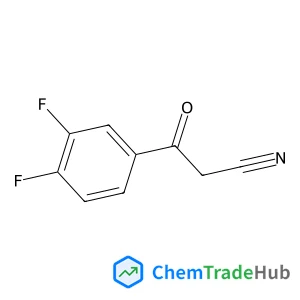
CAS Number
Related Products
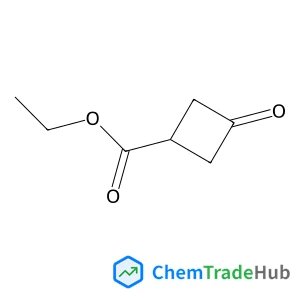
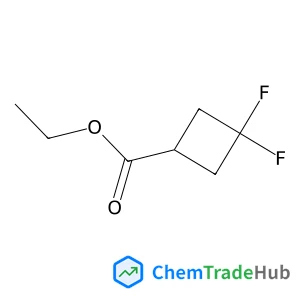
Ethyl 3-oxocyclobutanecarboxylate
CAS Number: 87121-89-9
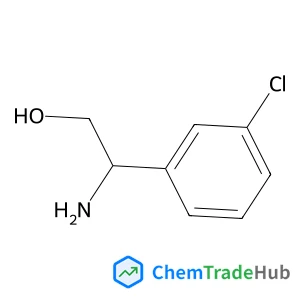
(S)-2-amino-2-(3-chlorophenyl)ethanol
CAS Number: 663611-73-2
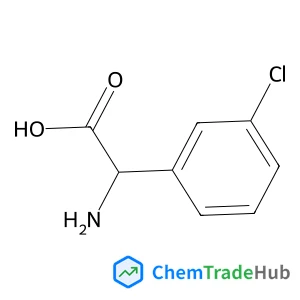
Amino(3-chlorophenyl)acetic acid
CAS Number: 7292-71-9

N-Ethyl-L-valine
CAS Number: 90600-06-9

6-Methylpyridine-2-carboxylic acid
CAS Number: 934-60-1
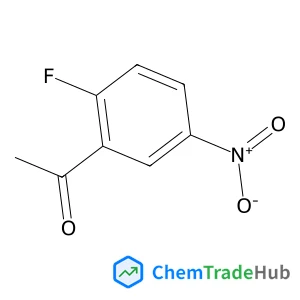
1-(2-Fluoro-5-nitrophenyl)ethanone
CAS Number: 79110-05-7
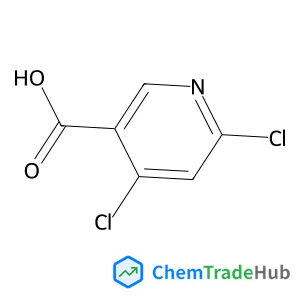
4,6-Dichloronicotinic acid
CAS Number: 73027-79-9
Other Suppliers for 3-(3,4-Difluorophenyl)-3-oxopropanenitrile








Basic Information
Molecular Formula
C9H5F2NO
Molecular Weight
17.03 g/mol
Chemical Identifiers
SMILES
C1=CC(=C(C=C1C(=O)CC#N)F)F
InChIKey
DMUDJKIYVPYJNF-UHFFFAOYSA-N
Database References
MDL Number
MFCD02260781
FAQ
3-(3,4-Difluorophenyl)-3-oxopropanenitrile (CAS: 71682-97-8) is a white crystalline solid. It has a molecular weight of approximately 183.06 g/mol and is slightly soluble in water. The compound is reactive towards nucleophiles and can undergo addition reactions. It is stable under normal conditions but should be stored in a cool, dark place away from direct sunlight.
3-(3,4-Difluorophenyl)-3-oxopropanenitrile is typically synthesized via the reaction of 3-(3,4-difluorophenyl)propionitrile with a base. Commonly, this involves the use of sodium hydride as a base. The reaction is performed under anhydrous conditions and requires careful handling to avoid decomposition. The product is isolated by vacuum distillation or crystallization.
3-(3,4-Difluorophenyl)-3-oxopropanenitrile is primarily used in the pharmaceutical industry as an intermediate for drug synthesis. It is also used in the polymer industry for the development of high-performance materials and in the semiconductor industry for electronic applications. Additionally, it has potential applications in the sensor industry due to its chemical reactivity.
When handling 3-(3,4-Difluorophenyl)-3-oxopropanenitrile (CAS: 71682-97-8), it is essential to wear appropriate personal protective equipment (PPE), including gloves and safety goggles. The compound should be handled in a well-ventilated fume hood to avoid inhalation. In case of a spill, it should be cleaned up using appropriate absorbent materials. Always consult the Safety Data Sheet (SDS) for detailed handling and disposal information.
Safety Notice
Please verify product specifications and safety data before use. Contact the supplier for detailed safety information.
Always follow proper handling procedures
Contact Information
sale@process-chem.com