



AD
6-Methylheptyl acetate(CAS: 31565-19-2)
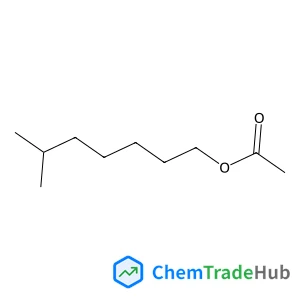
CAS Number
Related Products
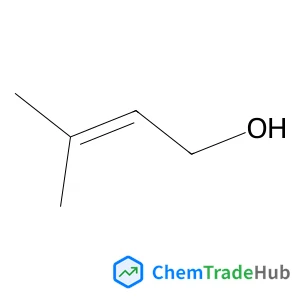
3-Methyl-2-buten-1-ol
CAS Number: 556-82-1
![2-[(2-Aminoethyl)amino]ethanol](https://static.chemtradehub.com/structs/111/111-41-1-83e1.webp)
2-[(2-Aminoethyl)amino]ethanol
CAS Number: 111-41-1
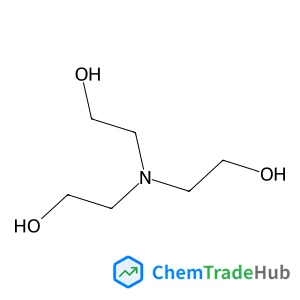
2,2',2''-Nitrilotriethanol
CAS Number: 102-71-6
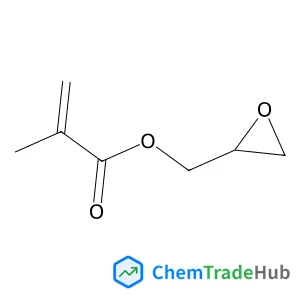
2-Oxiranylmethyl methacrylate
CAS Number: 106-91-2
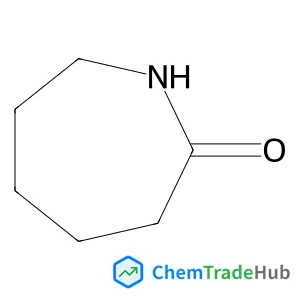
2-Azepanone
CAS Number: 105-60-2
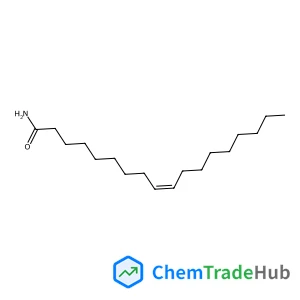
(9Z)-9-Octadecenimidic acid
CAS Number: 301-02-0
![2,2'-[1,2-Ethanediylbis(oxy)]diethanol](https://static.chemtradehub.com/structs/112/112-27-6-771e.webp)
2,2'-[1,2-Ethanediylbis(oxy)]diethanol
CAS Number: 112-27-6
N-Ethyl-N-hydroxyethanamine
CAS Number: 3710-84-7
Pentachloropyridine
CAS Number: 2176-62-7
Other Suppliers for 6-Methylheptyl acetate

Basic Information
Molecular Formula
C10H20O2
Molecular Weight
172.27 g/mol
Physical Properties
Melting Point
-65.75°C (estimate)
Boiling Point
202.6°C (estimate)
Chemical Identifiers
SMILES
CC(C)CCCCCOC(C)=O
InChIKey
DICUPLXUNISGAQ-UHFFFAOYSA-N
Database References
MDL Number
MFCD00048384
FAQ
6-Methylheptyl acetate (CAS: 31565-19-2) falls under the scope of the GHS (Globally Harmonized System of Classification and Labeling of Chemicals) and is classified as flammable. It is also regulated under the EU REACH regulations, which require suppliers and manufacturers to register substances above a certain tonnage. Additionally, the FDA and EPA may have specific requirements for its use and disposal in the United States.
Several alternatives can be used in the synthesis of scents and flavors where 6-Methylheptyl acetate (CAS: 31565-19-2) is employed. Common substitutes include other acetates such as heptyl acetate or isopropyl acetate. These alternatives may offer similar or different olfactory profiles and could be chosen based on cost, availability, and regulatory considerations.
The market for 6-Methylheptyl acetate (CAS: 31565-19-2) is driven by its use in the fragrance and flavor industry. Research trends indicate a growing focus on sustainable sourcing and development of biodegradable alternatives. Additionally, there is increasing interest in personalized fragrances, which may boost demand for this compound due to its unique scent profile.
Waste containing 6-Methylheptyl acetate (CAS: 31565-19-2) should be collected in appropriate containers and disposed of according to local regulations. It is advisable to incinerate the waste at a certified facility due to its flammability. Environmental protection precautions include ensuring no spillage during handling and proper labeling of waste containers. Additionally, professional waste disposal services should be utilized to ensure compliance with environmental regulations.
Safety Notice
Please verify product specifications and safety data before use. Contact the supplier for detailed safety information.
Always follow proper handling procedures