



AD
Silica(CAS: 7631-86-9)
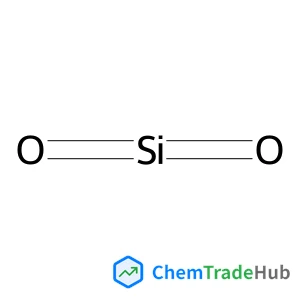
CAS Number
Related Products
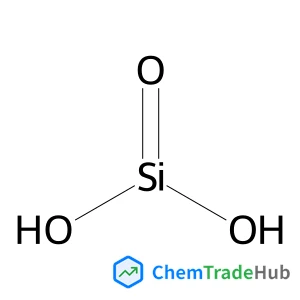
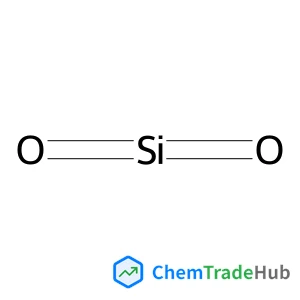
Silica gel, pptd.,cryst.-free
CAS Number: 112926-00-8
Silsesquioxanes
CAS Number: 67763-03-5
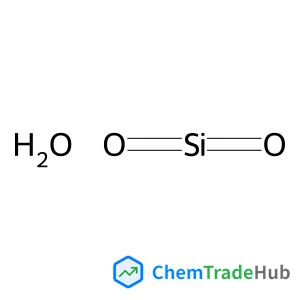
Silica, hydrate
CAS Number: 10279-57-9
Other Suppliers for Silica

Package
Customizable packaging
Specification
1g / 2g / 5g / 10g / 20g / 50g / 100g / 500g /1000g
CAS Number: 7631-86-9
Package
Customizable packaging
Specification
1g, 3g, 5g, 10g, 20g, 30g, 50g, 100g, 200g, 250g, 300g, 500g
CAS Number: 7631-86-9


Basic Information
Molecular Formula
O2Si
Molecular Weight
60.08 g/mol
Physical Properties
Melting Point
>1600 °C (lit.)
Boiling Point
2230 °C(lit.)
Density
1.21 g/mL at 25 °C
Flash Point
2230°C
Chemical Identifiers
SMILES
O=[Si]=O
InChIKey
VYPSYNLAJGMNEJ-UHFFFAOYSA-N
Database References
MDL Number
MFCD00149856
FAQ
Silica, with the CAS number 7631-86-9, is a common inorganic compound composed primarily of silicon and oxygen. It exists in various forms, such as silicon dioxide (SiO₂), and is known for its high thermal stability, chemical inertness, and resistance to weathering. Silica is widely found in nature, including in sand, quartz, and minerals, and is used in numerous applications due to its versatile properties.
Silica (CAS 7631-86-9) is used in pharmaceuticals as an excipient, in the manufacturing of glass and ceramics, in construction materials, and in food processing as a clarifying agent. It also serves as a filler in various products, including cosmetics and toothpaste. In research, silica is essential for producing high-purity materials and is used in chromatography and filtration processes.
Silica (CAS 7631-86-9) is generally considered safe when handled properly. However, inhalation of fine silica dust can cause respiratory issues such as silicosis. It is important to follow safety standards, use appropriate protective equipment, and ensure proper ventilation to minimize health risks. Silica is non-toxic in its solid form but may react with strong acids or alkalis.
Silica (CAS 7631-86-9) should be stored in a cool, dry place away from moisture and direct sunlight. It is typically kept in airtight containers to prevent contamination and maintain stability. Avoid exposure to high humidity or extreme temperatures, as these can affect its physical properties. Proper storage ensures its longevity and effectiveness in various applications.
Safety Notice
Please verify product specifications and safety data before use. Contact the supplier for detailed safety information.
Always follow proper handling procedures