



AD
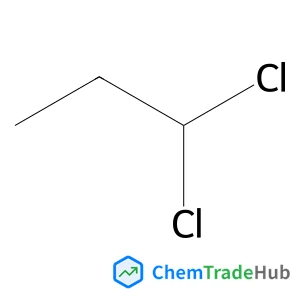
1,1-Dichloropropane(CAS: 78-99-9)
CAS Number
Related Products
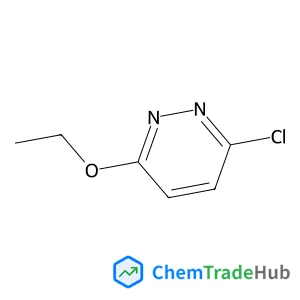
3-Chloro-6-ethoxypyridazine
CAS Number: 17321-20-9
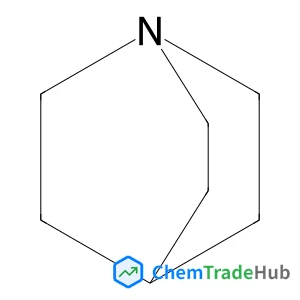
Quinuclidine
CAS Number: 100-76-5
![(1S,2S,3R,4S,6R)-4,6-Diamino-3-({(2R,3R,6S)-3-amino-6-[(1S)-1-(methylamino)ethyl]tetrahydro-2H-pyran-2-yl}oxy)-2-hydroxycyclohexyl 3-deoxy-4-C-methyl-3-(methylamino)-beta-L-arabinopyranoside](https://static.chemtradehub.com/structs/140/1403-66-3-b0c2.webp)
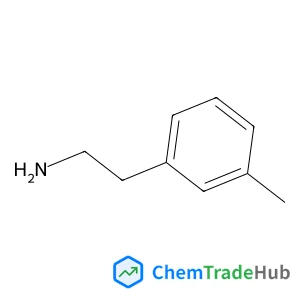
2-(3-Methylphenyl)ethanamine
CAS Number: 55755-17-4
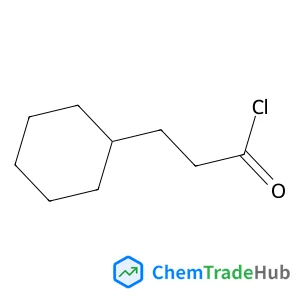
3-Cyclohexylpropanoyl chloride
CAS Number: 39098-75-4
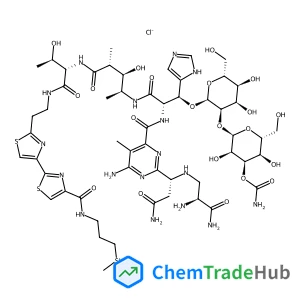
Bleomycin hydrochloride
CAS Number: 67763-87-5
![Sodium acetyl[(4-aminophenyl)sulfonyl]azanide hydrate (1:1:1)](https://static.chemtradehub.com/structs/620/6209-17-2-8e0a.webp)
Other Suppliers for 1,1-Dichloropropane





Basic Information
Molecular Formula
C3H6Cl2
Molecular Weight
112.99 g/mol
Physical Properties
Melting Point
-83.56°C (estimate)
Boiling Point
88 °C(lit.)
Density
1.13 g/mL at 25 °C(lit.)
Chemical Identifiers
SMILES
CCC(Cl)Cl
InChIKey
WIHMGGWNMISDNJ-UHFFFAOYSA-N
Database References
MDL Number
MFCD00074845
FAQ
1,1-Dichloropropane (CAS: 78-99-9) is listed under the Globally Harmonized System of Classification and Labeling of Chemicals (GHS) as a flammable liquid and a health hazard. In the European Union, it is regulated under REACH, and the FDA and EPA have specific requirements for its safe handling and disposal. Companies must ensure compliance with these regulations to avoid legal and environmental issues.
While 1,1-Dichloropropane (CAS: 78-99-9) is commonly used in industrial processes, alternatives include 1,2-Dichloropropane and other dichloropropanes, which may have different reactivity profiles. However, these alternatives may also have environmental and safety concerns. Researchers often explore greener chemistry approaches to minimize the use of such compounds.
Market trends for 1,1-Dichloropropane (CAS: 78-99-9) are fluctuating due to increasing concerns over its environmental and health impacts. Research is shifting towards more sustainable alternatives and the development of safer processes. The trend is also influenced by regulatory pressures and the need for eco-friendly chemicals in various industries, including agriculture and manufacturing.
Waste containing 1,1-Dichloropropane (CAS: 78-99-9) should be collected in appropriate containers and stored in a secure, well-ventilated area. Disposal should be done through professional waste management services that comply with local regulations. Incineration is a common method, but environmental protection measures must be followed to prevent pollution. Proper training and safety equipment are essential for handling and disposal operations.
Safety Notice
Please verify product specifications and safety data before use. Contact the supplier for detailed safety information.
Always follow proper handling procedures
Contact Information
1400838822@qq.com
Mobile
18064118002
Telephone
027-59599240
Fax
QQ询价更便捷。QQ:1400838000,1400838822
Visit Website
http://www.jushengtech.com