



AD
2,4-Dibromo-5-methylpyridine(CAS: 79055-50-8)
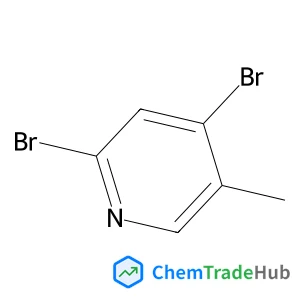
CAS Number
Related Products
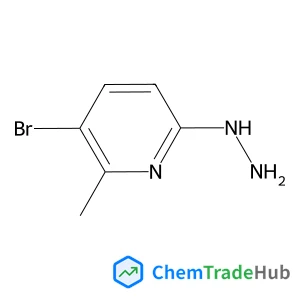
3-Bromo-6-hydrazinyl-2-methylpyridine
CAS Number: 39919-66-9
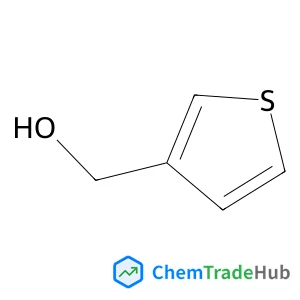
3-Thienylmethanol
CAS Number: 71637-34-8
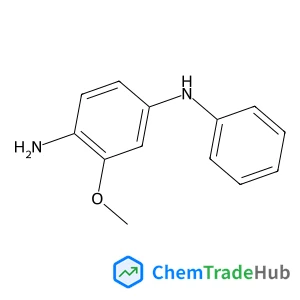
3-Methoxy-N1-phenylbenzene-1,4-diamine
CAS Number: 5840-10-8
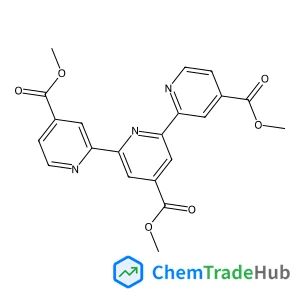
![5-Isoquinolinesulfonamide, N-[2-[[3-(4-bromophenyl)-2-propen-1-yl]amino]ethyl]-](https://static.chemtradehub.com/structs/127/127243-85-0-0f72.webp)
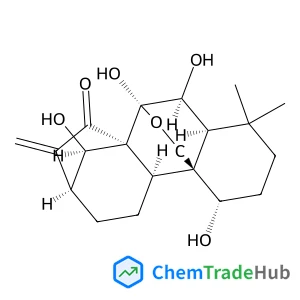
Oridonin
CAS Number: 28957-04-2
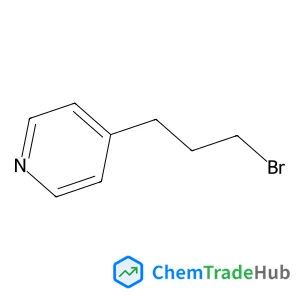
4-(3-Bromopropyl)pyridine
CAS Number: 40337-66-4
Other Suppliers for 2,4-Dibromo-5-methylpyridine






Basic Information
Molecular Formula
C6H5Br2N
Molecular Weight
250.92 g/mol
Physical Properties
Boiling Point
116-117 ºC (7 Torr)
Density
1.911±0.06 g/cm3 (20 ºC 760 Torr),
Flash Point
121.0±25.9 ºC,
Chemical Identifiers
SMILES
CC1=CN=C(C=C1Br)Br
InChIKey
JCITVZBBBIRQER-UHFFFAOYSA-N
Database References
MDL Number
MFCD11100634
FAQ
2,4-Dibromo-5-methylpyridine (CAS: 79055-50-8) is classified under the Globally Harmonized System of Classification and Labelling of Chemicals (GHS) as a hazardous substance. Regulatory guidelines include the European Union's REACH regulations, which require detailed safety data sheets (SDS) and risk assessments. In the United States, the Food and Drug Administration (FDA) and Environmental Protection Agency (EPA) have specific handling and disposal guidelines to prevent environmental contamination and ensure worker safety.
There are alternative reagents that can be used in the synthesis of similar compounds. For instance, 2,4-Dichloro-5-methylpyridine and 2-Bromo-4-chloro-5-methylpyridine are common alternatives. These alternatives can offer similar functional groups but with different substituents, allowing for a variety of synthetic routes depending on the desired properties and cost considerations.
The market for 2,4-Dibromo-5-methylpyridine (CAS: 79055-50-8) is driven by its applications in pharmaceuticals, agrochemicals, and chemical intermediates. Research trends focus on the development of novel derivatives and their use in antiviral and antifungal treatments. Additionally, there is an increasing emphasis on sustainable synthesis methods and the reduction of hazardous substances, which could influence future market dynamics.
Waste containing 2,4-Dibromo-5-methylpyridine (CAS: 79055-50-8) should be collected in appropriate containers lined with protective material to prevent leakage. Proper storage should be in a well-ventilated area away from heat and ignition sources. For disposal, it is recommended to consult the latest SDS and local waste management regulations. Typically, waste should be incinerated or treated by a professional hazardous waste disposal service to ensure compliance with environmental protection standards.
Safety Notice
Please verify product specifications and safety data before use. Contact the supplier for detailed safety information.
Always follow proper handling procedures
Contact Information
2355265332@qq.com