



AD
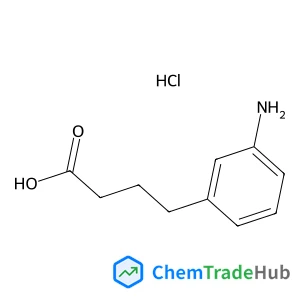
4-(3-Aminophenyl)butanoic acid hydrochloride (1:1)(CAS: 91843-18-4)
CAS Number
Related Products
![3-[4-Fluoro-2-(trifluoromethyl)phenyl]propanoic acid](https://static.chemtradehub.com/structs/916/916420-73-0-ee37.webp)
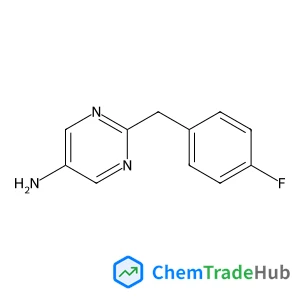
2-(4-Fluorobenzyl)-5-pyrimidinamine
CAS Number: 1152557-45-3
![Methyl [4-cyano-3-(3-thienyl)-1H-pyrazol-1-yl]acetate](https://static.chemtradehub.com/structs/209/2098083-01-1-68bf.webp)
![3-[4-Cyclopentyl-5-(methylsulfanyl)-4H-1,2,4-triazol-3-yl]-1-propanamine hydroiodide (1:1)](https://static.chemtradehub.com/structs/119/1197609-28-1-10f2.webp)
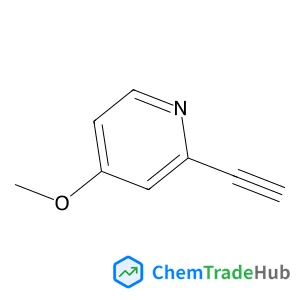
2-Ethynyl-4-methoxypyridine
CAS Number: 1211533-95-7
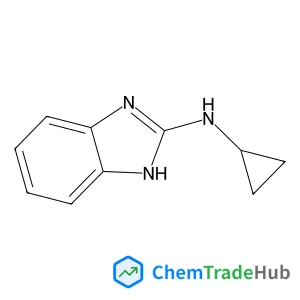
N-Cyclopropyl-1H-benzimidazol-2-amine
CAS Number: 941266-08-6
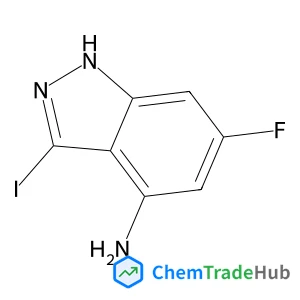
4-AMINO-6-FLUORO-3-IODO (1H)INDAZOLE
CAS Number: 885523-02-4
Other Suppliers for 4-(3-Aminophenyl)butanoic acid hydrochloride (1:1)







Basic Information
Molecular Formula
C10H14ClNO2
Molecular Weight
215.68 g/mol
Physical Properties
Melting Point
140-152°C
Chemical Identifiers
SMILES
C1=CC(=CC(=C1)N)CCCC(=O)O.Cl
InChIKey
KQDRRBHCFUEQIW-UHFFFAOYSA-N
Database References
MDL Number
MFCD04039396
FAQ
Regulatory guidelines for 4-(3-Aminophenyl)butanoic acid hydrochloride (CAS: 91843-18-4) include adherence to the Globally Harmonized System of Classification and Labelling of Chemicals (GHS), compliance with REACH regulations for the European market, and adherence to FDA and EPA guidelines for use in the United States. Manufacturers and distributors must ensure proper labeling, storage, and handling to comply with these regulations.
Yes, several alternatives can be used in the synthesis of 4-(3-Aminophenyl)butanoic acid hydrochloride (CAS: 91843-18-4), such as using 4-(2-Aminophenyl)butanoic acid or related analogs. Common alternative reagents include 4-aminobenzoic acid, which can serve as a similar starting material with slight modifications in the reaction pathway.
The market and research trends for 4-(3-Aminophenyl)butanoic acid hydrochloride (CAS: 91843-18-4) are focused on its application in pharmaceuticals and biotechnology. Increasing research is being directed towards its use as a precursor in the synthesis of new drugs and as a component in diagnostic reagents. Additionally, there is a growing interest in its environmental and toxicity studies to better understand its impact and potential applications.
Waste containing 4-(3-Aminophenyl)butanoic acid hydrochloride (CAS: 91843-18-4) should be collected in appropriate containers and handled according to local and international waste management regulations. Incineration is a common method for disposal, but professional waste disposal services should be sought to ensure compliance with environmental protection measures. Adequate precautions must be taken to prevent environmental contamination and ensure worker safety during handling and disposal processes.
Safety Notice
Please verify product specifications and safety data before use. Contact the supplier for detailed safety information.
Always follow proper handling procedures
Contact Information
3641133981@qq.com