



AD
4,6-Dichloro-2-(trifluoromethyl)quinoline(CAS: 18706-33-7)
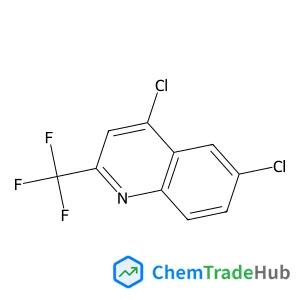
CAS Number
Related Products
![1-[4-Chloro-6-(methylsulfanyl)-5-pyrimidinyl]methanamine](https://static.chemtradehub.com/structs/885/885269-49-8-e182.webp)
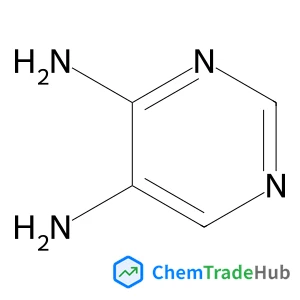
4,5-Pyrimidinediamine
CAS Number: 13754-19-3
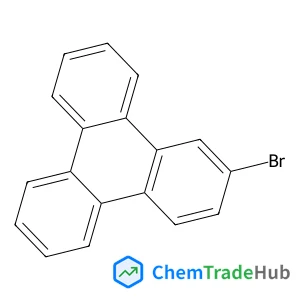
2-Bromotriphenylene
CAS Number: 19111-87-6
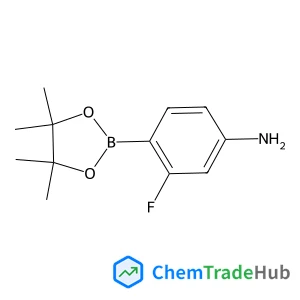
![N-(6-Ethylthieno[2,3-d]pyrimidin-4-yl)glycine](https://static.chemtradehub.com/structs/313/313534-29-1-ef9e.webp)
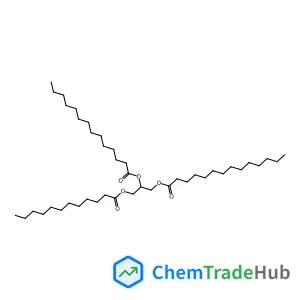
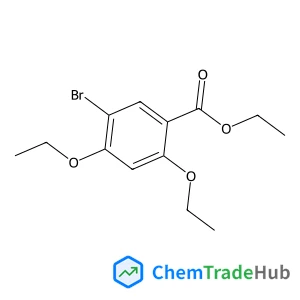
Ethyl 5-bromo-2,4-diethoxybenzoate
CAS Number: 1131587-93-3
Other Suppliers for 4,6-Dichloro-2-(trifluoromethyl)quinoline





Basic Information
Molecular Formula
C10H4Cl2F3N
Molecular Weight
266.05 g/mol
Physical Properties
Melting Point
104-107°C
Boiling Point
271.8℃ at 760 mmHg
Chemical Identifiers
SMILES
C1=CC2=C(C=C1Cl)C(=CC(=N2)C(F)(F)F)Cl
InChIKey
HYBXFYJUELGZOC-UHFFFAOYSA-N
Database References
MDL Number
MFCD00276578
FAQ
4,6-Dichloro-2-(trifluoromethyl)quinoline (CAS: 18706-33-7) is subject to various regulatory guidelines. Under the Globally Harmonized System of Classification and Labelling of Chemicals (GHS), it is classified as a hazardous substance requiring specific safety labels and safety data sheets. In Europe, it falls under the Registration, Evaluation, Authorization and Restriction of Chemicals (REACH) regulation, which requires manufacturers and importers to register substances above one tonne per year. Additionally, the U.S. FDA and EPA have specific requirements for the handling and disposal of this compound due to its chemical properties and potential environmental impact.
There are alternative quinolines and heterocycles that can be used as precursors or intermediates in synthesis, depending on the specific reaction conditions and desired product properties. For instance, 2-(trifluoromethyl)quinolines like 4,6-dichloro-2-(trifluoromethyl)quinoline (CAS: 18706-33-7) can be replaced by 2-(trifluoromethyl)quinoline-4-carboxylic acid or similar compounds in certain applications. These alternatives may offer different reactivity profiles and could be more environmentally friendly or easier to handle in some cases.
The market for 4,6-Dichloro-2-(trifluoromethyl)quinoline (CAS: 18706-33-7) is driven by its use in pharmaceuticals and agrochemicals due to its unique chemical structure and reactivity. Research trends indicate a growing interest in its use as a building block for synthesizing complex molecules. Recent studies focus on its potential as an intermediate in the development of novel drugs and pesticides. Market trends show a steady demand, although price fluctuations can impact its usage in certain applications.
Waste containing 4,6-Dichloro-2-(trifluoromethyl)quinoline (CAS: 18706-33-7) should be properly managed to comply with environmental regulations. Waste liquid can be collected and treated according to local hazardous waste regulations. Incineration is a common method for disposing of this compound, provided it is done in a controlled and secure manner. Professional waste disposal services are recommended to ensure safe handling and disposal. Environmental protection measures include minimizing exposure, proper storage, and adherence to all relevant guidelines to prevent contamination of the environment.
Safety Notice
Please verify product specifications and safety data before use. Contact the supplier for detailed safety information.
Always follow proper handling procedures
Contact Information
sales@haoreagent.com
Mobile
15813841136
Telephone
0755-89459231
Fax
0755-89459231
Visit Website
https://www.haoreagent.com/