



AD
4-Chloro-2-pyridinecarbaldehyde(CAS: 63071-13-6)
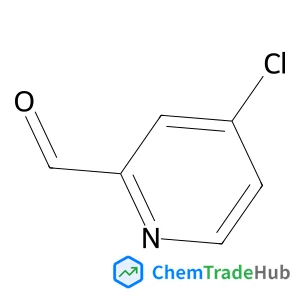
CAS Number
Related Products
![4-Sulfothiacalix[4]arene sodium salt](https://static.chemtradehub.com/structs/211/211561-04-5-c419.webp)
4-Sulfothiacalix[4]arene sodium salt
CAS Number: 211561-04-5
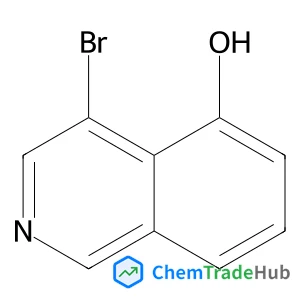
4-Bromoisoquinolin-5-ol
CAS Number: 651310-41-7
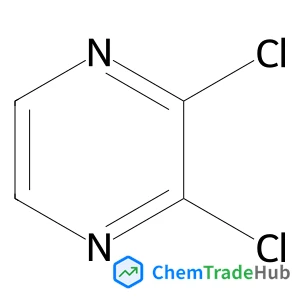
2,3-dichloropyrazine
CAS Number: 4858-85-9
![3-[4-(Aminomethyl)-1,3-thiazol-2-yl]aniline](https://static.chemtradehub.com/structs/885/885280-76-2-68fa.webp)
![Sodium 6-methyl-2-thioxo-5,6,7,8-tetrahydro-2H-pyrido[4,3-d]pyrimidin-4a-ide](https://static.chemtradehub.com/structs/125/1255717-42-0-d896.webp)
![{(2S,6R)-4-Benzyl-6-[(benzyloxy)methyl]-2-morpholinyl}methanol](https://static.chemtradehub.com/structs/158/1581750-87-9-8b86.webp)
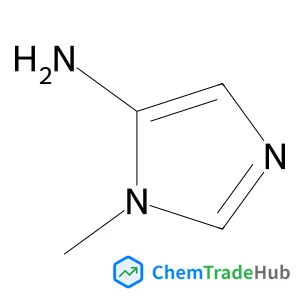
1-Methyl-1H-imidazol-5-amine
CAS Number: 66787-75-5
![(1R)-2-{[(2-Methyl-2-propanyl)oxy]carbonyl}-5-(methylsulfonyl)-1-isoindolinecarboxylic acid](https://static.chemtradehub.com/structs/210/2101238-70-2-41e6.webp)
Other Suppliers for 4-Chloro-2-pyridinecarbaldehyde





Basic Information
Molecular Formula
C6H4ClNO
Molecular Weight
141.56 g/mol
Physical Properties
Melting Point
35-38 ºC
Boiling Point
206 ºC
Density
1.332
Flash Point
79 ºC
Chemical Identifiers
SMILES
C1=CN=C(C=C1Cl)C=O
InChIKey
NZLNQSUMFSPISS-UHFFFAOYSA-N
Database References
MDL Number
MFCD07437896
FAQ
4-Chloro-2-pyridinecarbaldehyde (CAS: 63071-13-6) is classified under the Globally Harmonized System of Classification and Labelling of Chemicals (GHS) as a skin irritant and toxic to aquatic environments. It is regulated under REACH in the European Union, requiring registration and reporting of its uses and health and environmental effects. FDA and EPA have specific requirements for its use in products and environmental releases, including documentation of proper handling and disposal methods.
There are several alternatives to 4-Chloro-2-pyridinecarbaldehyde (CAS: 63071-13-6) in synthesis, such as 2-chloro-4-pyridinecarbaldehyde and 3-chloro-2-pyridinecarbaldehyde. These compounds can be used as precursors or intermediates in similar reactions. Common alternatives include 4-pyridinecarbaldehyde and 2-pyridinecarbaldehyde, which can serve as substitutes depending on the specific reaction conditions and desired product.
The market for 4-Chloro-2-pyridinecarbaldehyde (CAS: 63071-13-6) is primarily driven by its use in the synthesis of pharmaceuticals and agrochemicals. Research trends indicate a focus on developing safer and more sustainable alternatives. Recent studies are exploring its potential in drug discovery, particularly in the areas of anti-inflammatory and anti-cancer therapies. Additionally, there is growing interest in its application in environmentally friendly processes and its role in green chemistry.
Waste containing 4-Chloro-2-pyridinecarbaldehyde (CAS: 63071-13-6) should be collected and stored in appropriate containers to prevent spills and leaks. It should be disposed of by incineration or through professional waste disposal services that comply with local regulations. Environmental protection measures include proper labeling of the waste and ensuring it is handled by trained personnel. Safe disposal methods should be documented to comply with regulatory requirements and minimize environmental impact.
Safety Notice
Please verify product specifications and safety data before use. Contact the supplier for detailed safety information.
Always follow proper handling procedures

Contact Information
3004779232@qq.com
Mobile
18013972705
Telephone
025-66061636
Visit Website
http://www.aikonchem.com/