



AD
trans-1,4-Cyclohexanediol(CAS: 6995-79-5)

CAS Number
Related Products
![4-Sulfothiacalix[4]arene sodium salt](https://static.chemtradehub.com/structs/211/211561-04-5-c419.webp)
4-Sulfothiacalix[4]arene sodium salt
CAS Number: 211561-04-5
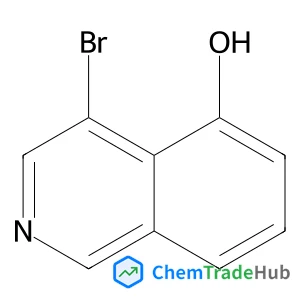
4-Bromoisoquinolin-5-ol
CAS Number: 651310-41-7
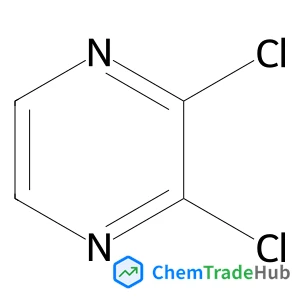
2,3-dichloropyrazine
CAS Number: 4858-85-9
![3-[4-(Aminomethyl)-1,3-thiazol-2-yl]aniline](https://static.chemtradehub.com/structs/885/885280-76-2-68fa.webp)
![Sodium 6-methyl-2-thioxo-5,6,7,8-tetrahydro-2H-pyrido[4,3-d]pyrimidin-4a-ide](https://static.chemtradehub.com/structs/125/1255717-42-0-d896.webp)
![{(2S,6R)-4-Benzyl-6-[(benzyloxy)methyl]-2-morpholinyl}methanol](https://static.chemtradehub.com/structs/158/1581750-87-9-8b86.webp)
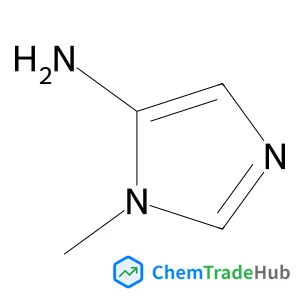
1-Methyl-1H-imidazol-5-amine
CAS Number: 66787-75-5
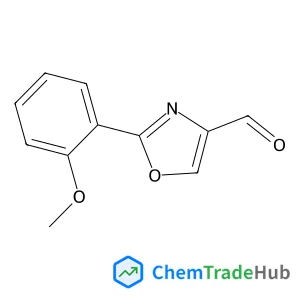
![(1R)-2-{[(2-Methyl-2-propanyl)oxy]carbonyl}-5-(methylsulfonyl)-1-isoindolinecarboxylic acid](https://static.chemtradehub.com/structs/210/2101238-70-2-41e6.webp)
Other Suppliers for trans-1,4-Cyclohexanediol






Basic Information
Molecular Formula
C6H12O2
Molecular Weight
116.16 g/mol
Physical Properties
Melting Point
138.0 to 143.0 deg-C
Boiling Point
252 ºC
Density
1.156
Flash Point
66 ºC
Chemical Identifiers
SMILES
C1CC(CCC1O)O
InChIKey
VKONPUDBRVKQLM-IZLXSQMJSA-N
Database References
MDL Number
MFCD00063612
FAQ
Trans-1,4-Cyclohexanediol (CAS: 6995-79-5) is regulated under the Globally Harmonized System of Classification and Labeling of Chemicals (GHS) and is classified as a skin and eye irritant. In the European Union, it is subject to the Registration, Evaluation, Authorization and Restriction of Chemicals (REACH) regulation. Additionally, the U.S. Environmental Protection Agency (EPA) and the Food and Drug Administration (FDA) have specific requirements for its handling and use in consumer and industrial products.
Trans-1,4-Cyclohexanediol (CAS: 6995-79-5) can be synthesized using various alternative reagents such as 1,4-cyclohexanedicarboxylic acid and its derivatives. Other alternatives include other diols like ethylene glycol or 1,4-butanediol, which may offer similar functionality but with different physical properties and cost considerations.
The market for trans-1,4-Cyclohexanediol (CAS: 6995-79-5) is driven by its use in polyurethane production, adhesives, and coatings. Research trends focus on developing more sustainable and eco-friendly alternatives. The trend towards biodegradable materials is also influencing the demand for this compound, as it can be produced from renewable resources such as bio-based feedstocks.
Waste containing trans-1,4-Cyclohexanediol (CAS: 6995-79-5) should be collected in appropriate containers and stored in a well-ventilated area away from sources of ignition. It should be disposed of through professional waste disposal services that comply with local regulations. Incineration is a common method for disposal, but precautions must be taken to ensure complete combustion and to prevent the release of harmful pollutants. Environmental protection measures, such as neutralization and safer disposal methods, should be considered to minimize environmental impact.
Safety Notice
Please verify product specifications and safety data before use. Contact the supplier for detailed safety information.
Always follow proper handling procedures

Contact Information
3004779232@qq.com
Mobile
18013972705
Telephone
025-66061636
Visit Website
http://www.aikonchem.com/