



AD
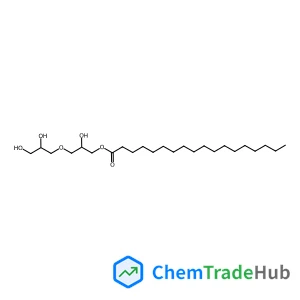
3-(2,3-Dihydroxypropoxy)-2-hydroxypropyl stearate(CAS: 79777-30-3)
CAS Number
Related Products
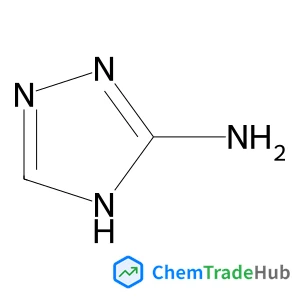
4H-1,2,4-Triazol-3-amine
CAS Number: 61-82-5
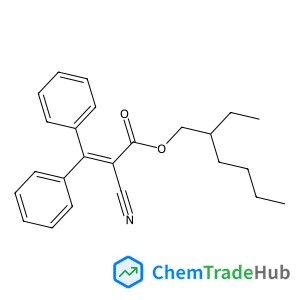
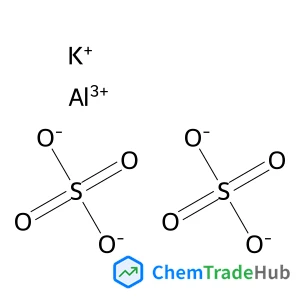
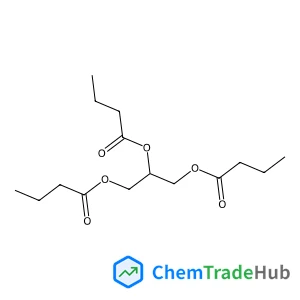
1,2,3-Propanetriyl tributanoate
CAS Number: 60-01-5
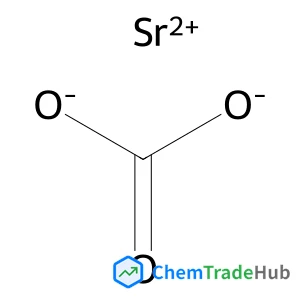
Strontium carbonate
CAS Number: 1633-05-2
![(2-METHYL-3-PHENYLPHENYL)METHYL (1S,3S)-3-[(Z)-2-CHLORO-3,3,3-TRIFLUOROPROP-1-ENYL]-2,2-DIMETHYLCYCLOPROPANE-1-CARBOXYLATE](https://static.chemtradehub.com/structs/826/82657-04-3-1a86.webp)
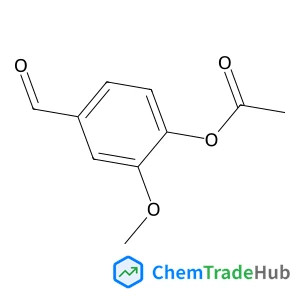
4-Formyl-2-methoxyphenyl acetate
CAS Number: 881-68-5
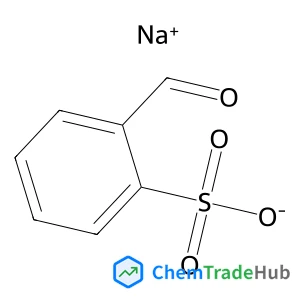
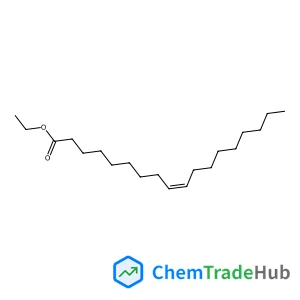
Ethyl (9Z)-9-octadecenoate
CAS Number: 111-62-6
Other Suppliers for 3-(2,3-Dihydroxypropoxy)-2-hydroxypropyl stearate





Basic Information
Molecular Formula
C24H48O6
Molecular Weight
432.64 g/mol
Chemical Identifiers
SMILES
CCCCCCCCCCCCCCCCCC(=O)OCC(COCC(CO)O)O
InChIKey
DUUKZBGYNMHUHO-UHFFFAOYSA-N
Database References
FAQ
3-(2,3-Dihydroxypropoxy)-2-hydroxypropyl stearate is a white to off-white crystalline solid with a molecular weight of approximately 464.62 g/mol. It is poorly soluble in water but soluble in organic solvents such as ethanol and acetone. The compound is moderately reactive, particularly in the presence of carboxylic acid groups, and can undergo esterification and hydrolysis reactions.
3-(2,3-Dihydroxypropoxy)-2-hydroxypropyl stearate is synthesized through esterification reactions. The most common method involves the reaction of stearic acid with 2,3-dihydroxypropyl alcohol in the presence of a catalyst, such as sulfuric acid or a metal catalyst. The reaction is typically carried out in an organic solvent at elevated temperatures, with a yield of around 85-95%. The selectivity and purity of the product can be controlled by optimizing the reaction conditions.
3-(2,3-Dihydroxypropoxy)-2-hydroxypropyl stearate is primarily used in the pharmaceutical and polymer industries. It serves as a stabilizer and emulsifier in drug formulations and is also used as a plasticizer and compatibilizer in polymer blends. Its applications in the semiconductor and sensor industries are also growing due to its excellent compatibility and reactivity.
When handling 3-(2,3-Dihydroxypropoxy)-2-hydroxypropyl stearate, it is important to use personal protective equipment (PPE) such as gloves, goggles, and a lab coat. The material should be stored in a well-ventilated area and handled in a fume hood to minimize inhalation risks. Spills should be cleaned up immediately with appropriate absorbent materials and the area should be thoroughly washed with water. Refer to the Safety Data Sheet (SDS) for detailed emergency procedures and storage guidelines.
Safety Notice
Please verify product specifications and safety data before use. Contact the supplier for detailed safety information.
Always follow proper handling procedures
Contact Information
steroidsales@chembj.com