



AD
Dichlororuthenium;1,2,3,4,5,6-hexamethylbenzene(CAS: 67421-02-7)

CAS Number
Related Products

BIS(I-PROPYLCYCLOPENTADIENYL)MANGANESE
CAS Number: 85594-02-1


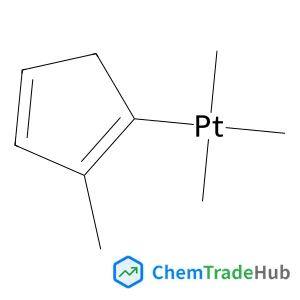

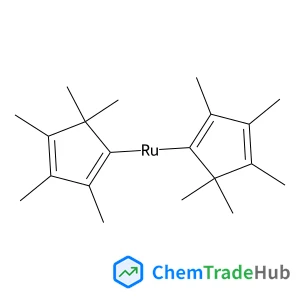

Bis(pentamethylcyclopentadienyl)nickel
CAS Number: 74507-63-4

CID 131698360
CAS Number: 635680-58-9
![4-[Bis(2-methyl-2-propanyl)phosphino]-N,N-dimethylaniline - dichloropalladium (2:1)](https://static.chemtradehub.com/structs/887/887919-35-9-32f9.webp)
Other Suppliers for Dichlororuthenium;1,2,3,4,5,6-hexamethylbenzene







Basic Information
Molecular Formula
C24H36Cl4Ru2
Molecular Weight
668.5 g/mol
Chemical Identifiers
SMILES
CC1=C(C(=C(C(=C1C)C)C)C)C.CC1=C(C(=C(C(=C1C)C)C)C)C.Cl[Ru]Cl.Cl[Ru]Cl
InChIKey
GVCIEWAYDUQTTQ-UHFFFAOYSA-J
Database References
FAQ
Dichlororuthenium;1,2,3,4,5,6-hexamethylbenzene (CAS: 67421-02-7) is classified as an organic compound under the Globally Harmonized System of Classification and Labelling of Chemicals (GHS). It falls under REACH regulations in the European Union, requiring registration of substances if they are manufactured or imported in quantities above 1 tonne per year. In the USA, under the Toxic Substance Control Act (TSCA), it may require reporting and record-keeping for large quantities. The Environmental Protection Agency (EPA) also has specific guidelines for handling and disposal.
There are several alternatives to Dichlororuthenium;1,2,3,4,5,6-hexamethylbenzene (CAS: 67421-02-7) that can be used in synthesis, such as other organometallic complexes or different ligands. For example, dichlororuthenium dimethylsulfoxide dihydrate may be a suitable alternative depending on the specific reaction conditions and desired outcomes. Always consider the compatibility, reactivity, and cost of alternatives before choosing.
Research trends suggest a growing interest in organometallic compounds like Dichlororuthenium;1,2,3,4,5,6-hexamethylbenzene (CAS: 67421-02-7) for catalytic applications and as precursors in materials science. Market trends indicate increasing demand due to its unique properties in synthesis and potential use in pharmaceuticals and polymers. However, the market is also sensitive to supply chain disruptions and regulatory changes.
Waste containing Dichlororuthenium;1,2,3,4,5,6-hexamethylbenzene (CAS: 67421-02-7) should be collected in appropriate containers and stored away from sources of ignition. It should then be disposed of through a professional waste disposal service that is compliant with local and international regulations. Incineration may be an option, but ensure it meets environmental protection standards. Always follow local guidelines for hazardous waste management to prevent environmental contamination.
Safety Notice
Please verify product specifications and safety data before use. Contact the supplier for detailed safety information.
Always follow proper handling procedures
Contact Information
domole.infsci@outlook.com