



AD
Samarium oxide (Sm2O3)(CAS: 12060-58-1)
CAS Number
Related Products
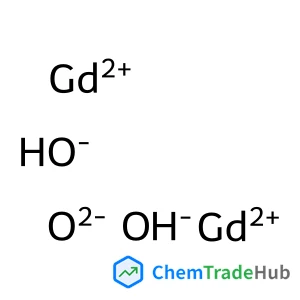
oxo(oxogadoliniooxy)gadolinium
CAS Number: 12064-62-9
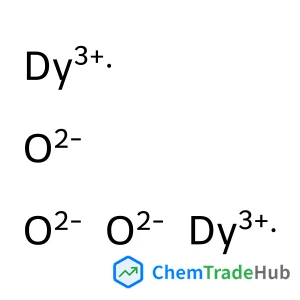
oxo(oxodysprosiooxy)dysprosium
CAS Number: 1308-87-8
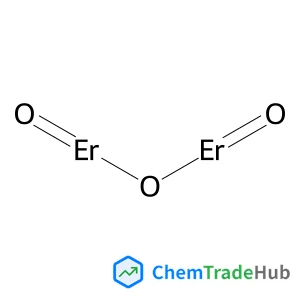
oxo(oxoerbiooxy)erbium
CAS Number: 12061-16-4
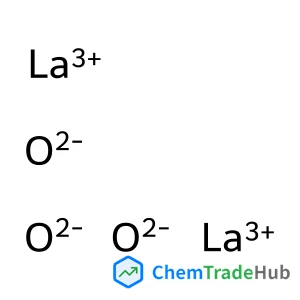
Lanthanum(III) Oxide
CAS Number: 1312-81-8

oxo(oxoceriooxy)cerium
CAS Number: 1345-13-7
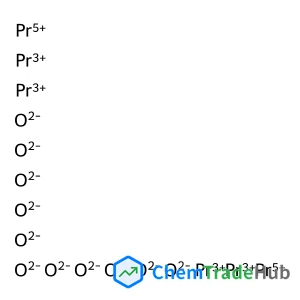
Praseodymium oxide (Pr6O11)
CAS Number: 12037-29-5
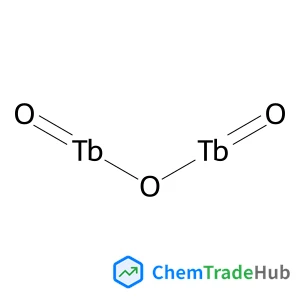
Terbium oxide
CAS Number: 12036-41-8
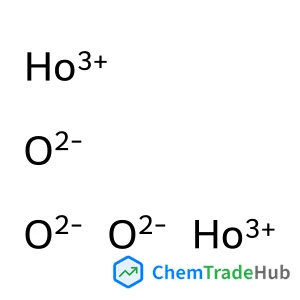
holmium(3+);oxygen(2-)
CAS Number: 39455-61-3
Thulium Oxide
CAS Number: 39455-81-7
Other Suppliers for Samarium oxide (Sm2O3)


Basic Information
Molecular Formula
Sm2O3
Molecular Weight
348.7 g/mol
Physical Properties
Melting Point
2325 ºC
Boiling Point
°Cat760mmHg
Flash Point
°C
Water Solubility
Insoluble in water.
Chemical Identifiers
SMILES
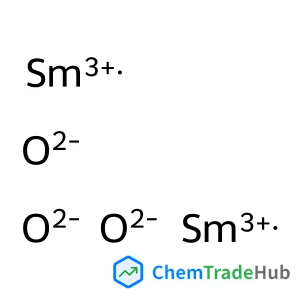
[O-2].[O-2].[O-2].[Sm+3].[Sm+3]
InChIKey
FKTOIHSPIPYAPE-UHFFFAOYSA-N
Database References
MDL Number
MFCD00011237
FAQ
Samarium oxide, with the chemical formula Sm₂O₃, is a rare earth metal oxide known for its high melting point and stability. It appears as a yellowish solid and is commonly used in various industrial and technological applications. This compound is produced by the oxidation of samarium metal and is characterized by its high refractive index and luminescent properties, making it valuable in specialized materials science fields.
Samarium oxide is primarily used in the production of phosphors for fluorescent lamps and LED displays, as well as in the manufacturing of magneto-optical disks and laser materials. It also serves as a catalyst in certain chemical reactions and is employed in the glass and ceramics industries to enhance thermal and optical properties. Additionally, it has applications in nuclear technology and as a component in some high-performance alloys.
Samarium oxide is generally considered non-toxic, but it should be handled with care to avoid inhalation or contact with skin and eyes. Safety data sheets recommend using appropriate personal protective equipment (PPE) when working with this compound. It is not classified as a hazardous substance under standard regulations, but proper handling is necessary to ensure workplace safety and minimize environmental impact.
Samarium oxide should be stored in a cool, dry, and well-ventilated place, away from moisture and strong acids. It is typically kept in airtight containers to prevent exposure to air and maintain stability. The compound is stable under normal storage conditions but should be protected from light and kept in a secure location to avoid contamination or degradation.
Safety Notice
Please verify product specifications and safety data before use. Contact the supplier for detailed safety information.
Always follow proper handling procedures
Contact Information
kancong@163.com