



AD
(2,2-Dichlorocyclopropyl)benzene(CAS: 2415-80-7)
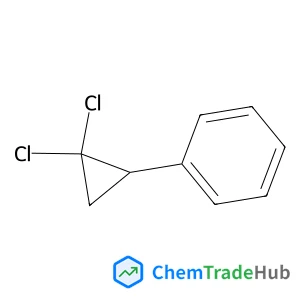
CAS Number
Related Products
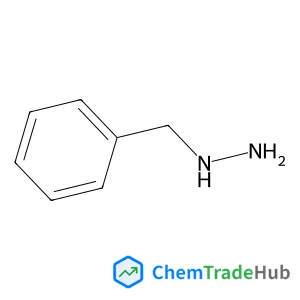
Benzylhydrazine
CAS Number: 555-96-4

4,5-Dihydro-1,3-oxazol-2-ol
CAS Number: 497-25-6
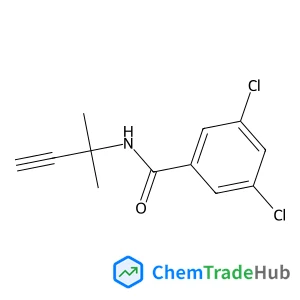
Propyzamide
CAS Number: 23950-58-5
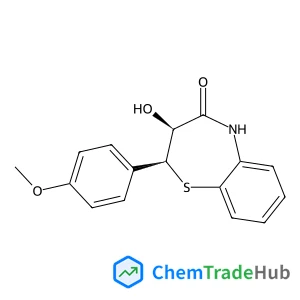
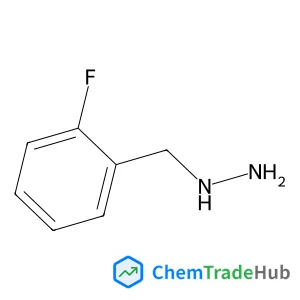
(2-Fluorobenzyl)hydrazine
CAS Number: 51859-98-4
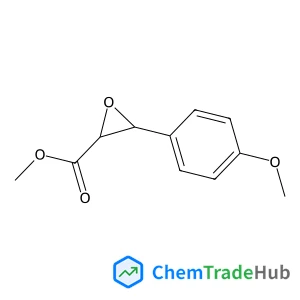
Methyl (-)-(2R
CAS Number: 105560-93-8
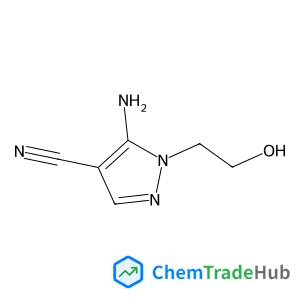
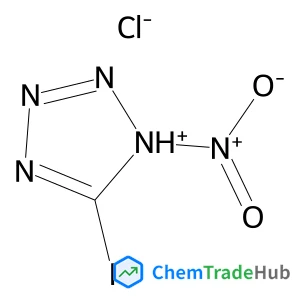
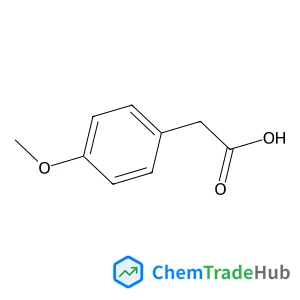
(4-Methoxyphenyl)acetic acid
CAS Number: 104-01-8
Other Suppliers for (2,2-Dichlorocyclopropyl)benzene






Basic Information
Molecular Formula
C9H8Cl2
Molecular Weight
187.07 g/mol
Physical Properties
Boiling Point
105°C/8mmHg(lit.)
Chemical Identifiers
SMILES
C1C(C1(Cl)Cl)C2=CC=CC=C2
InChIKey
WLWFQGXZIDYWQF-UHFFFAOYSA-N
Database References
MDL Number
MFCD00001272
Beilstein Registry Number
1860351
FAQ
(2,2-Dichlorocyclopropyl)benzene (CAS: 2415-80-7) is a colorless oil with a molecular weight of approximately 197.03 g/mol. It has a low solubility in water but is more soluble in organic solvents like ethanol and acetone. The compound is relatively stable but can undergo photolysis under UV light. It has a melting point below room temperature and a boiling point of around 138°C. Proper handling in a fume hood is recommended due to its volatility and potential for decomposition.
(2,2-Dichlorocyclopropyl)benzene (CAS: 2415-80-7) can be synthesized through the reaction of benzene with dichlorocyclopropene in the presence of a transition metal catalyst, such as palladium or platinum. The reaction involves electrophilic aromatic substitution and typically yields a high purity product with good selectivity. Catalytic conditions and precise control of reaction parameters are crucial to achieve high yields and product quality.
(2,2-Dichlorocyclopropyl)benzene (CAS: 2415-80-7) finds applications in the pharmaceutical industry for the preparation of certain intermediates, in the polymer industry as a monomer for the synthesis of functional polymers, and in the sensor industry for the development of gas sensing materials. Its use in semiconductor applications is less common but may be explored for specific functional coatings or adhesives.
When handling (2,2-Dichlorocyclopropyl)benzene (CAS: 2415-80-7), it is essential to wear appropriate personal protective equipment (PPE) such as gloves, goggles, and a lab coat. Ensure the reaction is conducted in a well-ventilated area or a fume hood to minimize exposure to volatile compounds. Spills should be immediately cleaned up using appropriate absorbent materials and disposed of according to local regulations. Always refer to the safety data sheet (SDS) for detailed handling and storage instructions.
Safety Notice
Please verify product specifications and safety data before use. Contact the supplier for detailed safety information.
Always follow proper handling procedures
Contact Information
kyfchem@yahoo.cn