



AD
2-Bromo-3-furoic acid(CAS: 197846-05-2)
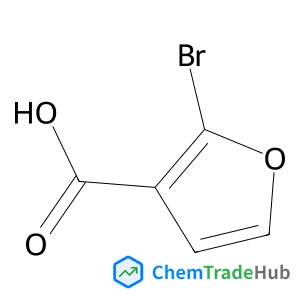
CAS Number
Related Products
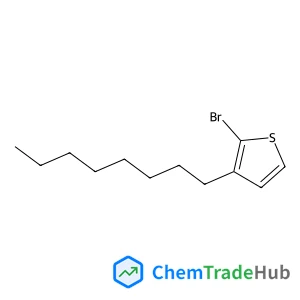
2-Bromo-3-octylthiophene
CAS Number: 145543-83-5
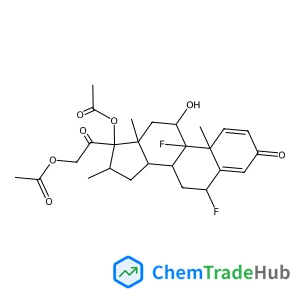
Diflorasone diacetate
CAS Number: 33564-31-7
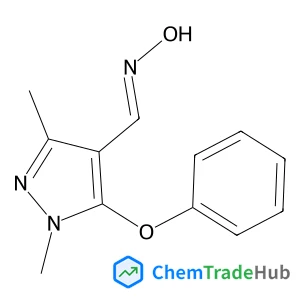
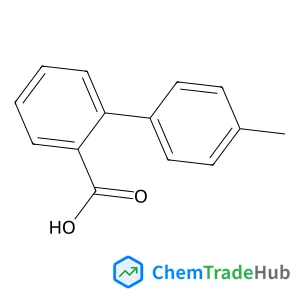
4'-Methyl-2-biphenylcarboxylic acid
CAS Number: 7148-03-0
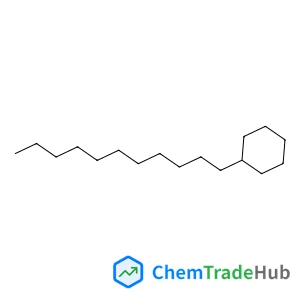
Undecylcyclohexane
CAS Number: 54105-66-7
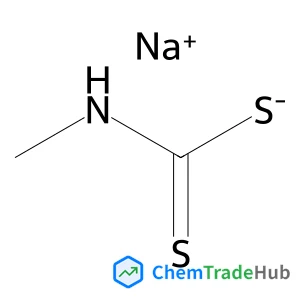
Metam Sodium
CAS Number: 137-42-8
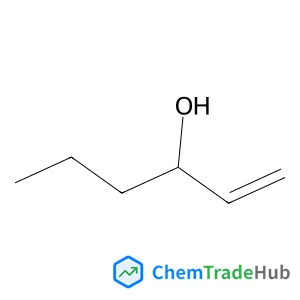
1-Hexen-3-ol
CAS Number: 4798-44-1
![(2S)-Amino[(5S)-3-chloro-4,5-dihydro-1,2-oxazol-5-yl]acetic acid](https://static.chemtradehub.com/structs/422/42228-92-2-8448.webp)
Other Suppliers for 2-Bromo-3-furoic acid









Basic Information
Molecular Formula
C5H3BrO3
Molecular Weight
190.98 g/mol
Physical Properties
Melting Point
160-163 °C
Chemical Identifiers
SMILES
C1=COC(=C1C(=O)O)Br
InChIKey
UJNWWTUUYCCIFL-UHFFFAOYSA-N
Database References
MDL Number
MFCD09702417
FAQ
2-Bromo-3-furoic acid (CAS: 197846-05-2) is classified under GHS as a hazardous chemical, primarily due to its corrosive properties. In terms of regulatory compliance, it is subject to REACH regulations for European manufacturers and importers, requiring registration, evaluation, and authorization. In the USA, it is regulated by the EPA and FDA, particularly concerning its use in pharmaceutical and chemical manufacturing processes.
When considering alternatives to 2-Bromo-3-furoic acid (CAS: 197846-05-2), it is important to evaluate the desired functional groups and reaction conditions. Common alternatives include 3-Furoic acid and other bromo derivatives, which can be used as starting materials depending on the specific synthesis requirements. Isomers and analogs, such as 2-Chloro-3-furoic acid, may also be considered as viable substitutes.
The market for 2-Bromo-3-furoic acid (CAS: 197846-05-2) is primarily driven by its applications in pharmaceuticals, where it serves as a key intermediate in the synthesis of various drugs. Recent research trends indicate increased interest in its use in developing novel antiviral agents and other medicinal compounds. Market analysis suggests steady demand, with potential for growth as new applications are discovered.
Waste containing 2-Bromo-3-furoic acid (CAS: 197846-05-2) should be collected in appropriate containers and stored in a well-ventilated area away from incompatible materials. It should be handled with personal protective equipment to prevent skin and eye contact. For disposal, incineration is a common method, but professional waste disposal services should be used for larger quantities or where local regulations require specialized handling. Environmental protection measures include monitoring of air and water quality post-disposal to ensure compliance with regulatory standards.
Safety Notice
Please verify product specifications and safety data before use. Contact the supplier for detailed safety information.
Always follow proper handling procedures
Contact Information
Contact Person
Jiang Kun
1273554466@qq.com