



AD
Samarium(3+) acetate hydrate (1:3:1)(CAS: 17829-86-6)
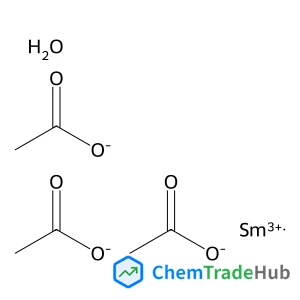
CAS Number
Related Products
![(3Z,6R,14aR,14bR)-3-Ethylidene-6-hydroxy-6-methyl-5-methylene-3,4,5,6,9,11,13,14,14a,14b-decahydro[1,6]dioxacyclododecino[2,3,4-gh]pyrrolizine-2,7-dione 12-oxide](https://static.chemtradehub.com/structs/387/38710-26-8-724c.webp)
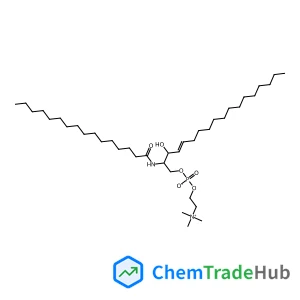
Sphingomyelin d18:1-C16:0
CAS Number: 383907-87-7
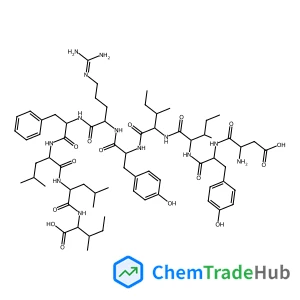
VP7 (31-40) peptide
CAS Number: 152687-39-3
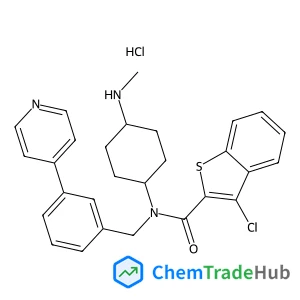
SAG hydrochloride
CAS Number: 2095432-58-7
![(3S)-2-[(2S)-2-[[(2S)-1-ethoxy-1-oxo-4-phenylbutan-2-yl]amino]propanoyl]-6,7-dimethoxy-3,4-dihydro-1H-isoquinoline-3-carboxylic acid;hydrochloride](https://static.chemtradehub.com/structs/825/82586-52-5-119f.webp)
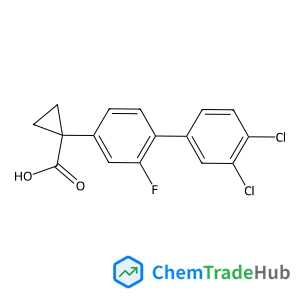
Temporins; Temporin G
CAS Number: 188713-78-2
![2-Hydroxy-5-[(E)-2-(4-nitrophenyl)diazen-1-yl]benzoic acid](https://static.chemtradehub.com/structs/224/2243-76-7-ec6a.webp)
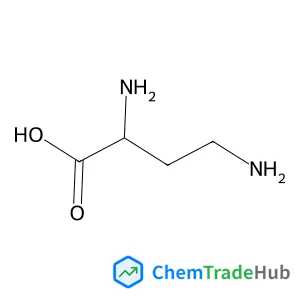
(2S)-2,4-diaminobutanoic acid
CAS Number: 1758-80-1
Other Suppliers for Samarium(3+) acetate hydrate (1:3:1)






Basic Information
Molecular Formula
C6H11O7Sm
Molecular Weight
345.51 g/mol
EINECS
233-950-1
Physical Properties
Boiling Point
300°C
Density
1.94
Flash Point
300°C
Water Solubility
Soluble in water
Chemical Identifiers
SMILES
CC(=O)[O-].CC(=O)[O-].CC(=O)[O-].O.[Sm+3]
InChIKey
LKSVMAKMHXTSQX-UHFFFAOYSA-K
Database References
MDL Number
MFCD25978098
FAQ
Samarium(3+) acetate hydrate (CAS: 17829-86-6) falls under the scope of the REACH regulations for chemical substances. It also requires adherence to the Globally Harmonized System of Classification and Labeling of Chemicals (GHS) for hazard communication. In the United States, the Environmental Protection Agency (EPA) and the Food and Drug Administration (FDA) have specific guidelines for the handling and disposal of this compound due to its potential toxicity and reactivity.
While Samarium(3+) acetate hydrate is a common reagent in certain synthetic processes, there are alternative compounds that can be used depending on the specific application. For example, other rare earth acetates or different solvents might be considered. It's important to evaluate the reactivity, stability, and cost of these alternatives to determine the most suitable choice for the synthesis.
The market for Samarium(3+) acetate hydrate remains stable, with increasing interest in its use in rare earth metal processing and certain analytical applications. Research trends indicate a growing focus on developing more sustainable and environmentally friendly synthesis methods. Additionally, there is ongoing exploration into its potential applications in advanced materials and catalysts.
Waste containing Samarium(3+) acetate hydrate should be collected in appropriate containers and handled according to local and international regulations. It is advisable to incinerate the waste or use professional waste disposal services. Environmental protection measures include ensuring that the waste is not released into the environment and that all safety protocols are followed during the handling and disposal process to prevent contamination and exposure.
Safety Notice
Please verify product specifications and safety data before use. Contact the supplier for detailed safety information.
Always follow proper handling procedures
Contact Information
Contact Person
Gong Siyu
3193328036@qq.com
Mobile
17801761073
Telephone
010-50973130
Visit Website
https://www.solarbio.comAddress
Beijing Solabio Technology Co., Ltd.