



AD
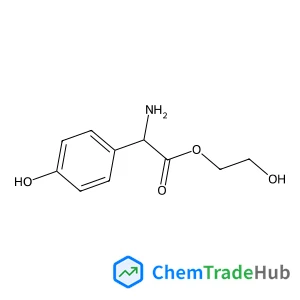
2-hydroxyethyl (2R)-2-amino-2-(4-hydroxyphenyl)acetate(CAS: 203007-73-2)
CAS Number
Related Products
![3-[4-Fluoro-2-(trifluoromethyl)phenyl]propanoic acid](https://static.chemtradehub.com/structs/916/916420-73-0-ee37.webp)
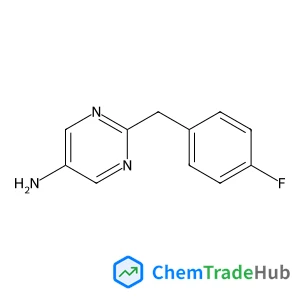
2-(4-Fluorobenzyl)-5-pyrimidinamine
CAS Number: 1152557-45-3
![Methyl [4-cyano-3-(3-thienyl)-1H-pyrazol-1-yl]acetate](https://static.chemtradehub.com/structs/209/2098083-01-1-68bf.webp)
![3-[4-Cyclopentyl-5-(methylsulfanyl)-4H-1,2,4-triazol-3-yl]-1-propanamine hydroiodide (1:1)](https://static.chemtradehub.com/structs/119/1197609-28-1-10f2.webp)
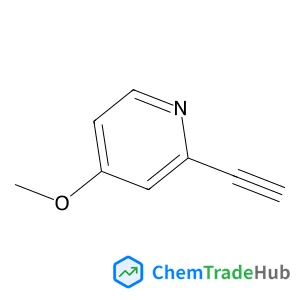
2-Ethynyl-4-methoxypyridine
CAS Number: 1211533-95-7
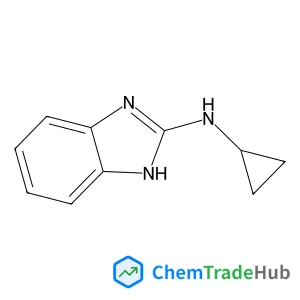
N-Cyclopropyl-1H-benzimidazol-2-amine
CAS Number: 941266-08-6
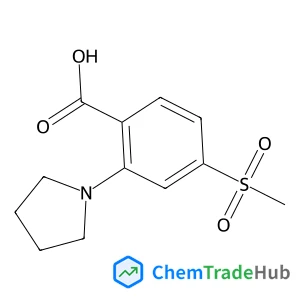
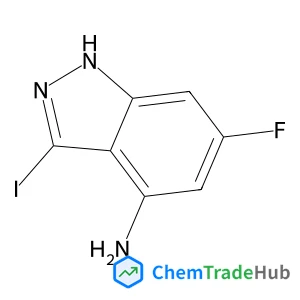
4-AMINO-6-FLUORO-3-IODO (1H)INDAZOLE
CAS Number: 885523-02-4
Other Suppliers for 2-hydroxyethyl (2R)-2-amino-2-(4-hydroxyphenyl)acetate



Basic Information
Molecular Formula
C10H13NO4
Molecular Weight
211.22 g/mol
Chemical Identifiers
SMILES
C1=CC(=CC=C1C(C(=O)OCCO)N)O
InChIKey
JXPKNZWHTKSACQ-SECBINFHSA-N
Database References
FAQ
2-hydroxyethyl (2R)-2-amino-2-(4-hydroxyphenyl)acetate falls under several regulatory guidelines including GHS (Global Harmonized System of Classification and Labeling of Chemicals) for hazardous substances. It is also subject to REACH regulations in the European Union and must comply with FDA and EPA guidelines for use and disposal in the United States. Ensuring compliance with these regulations is crucial for safe handling and use.
There are various alternatives to 2-hydroxyethyl (2R)-2-amino-2-(4-hydroxyphenyl)acetate in synthesis, such as 2-(4-hydroxyphenyl)acetic acid and its derivatives. These alternatives can serve similar functions but may differ in terms of reactivity, cost, and availability. Research into environmentally friendly and sustainable alternatives is also gaining traction.
The market for 2-hydroxyethyl (2R)-2-amino-2-(4-hydroxyphenyl)acetate is currently stable, with growing interest in its applications in pharmaceuticals and cosmetics due to its antioxidant properties. Research trends are focusing on its potential as a bioactive compound and exploring its use in developing new drugs. Market analysis indicates a steady demand, with potential for expansion in emerging markets.
Waste containing 2-hydroxyethyl (2R)-2-amino-2-(4-hydroxyphenyl)acetate should be collected and disposed of in accordance with local regulations. Proper waste management includes safe collection, storage, and disposal through professional waste disposal services. Incineration is often used for hazardous waste, while environmental precautions such as neutralization and proper containment are necessary to prevent pollution. Compliance with environmental protection measures is essential to ensure safe disposal.
Safety Notice
Please verify product specifications and safety data before use. Contact the supplier for detailed safety information.
Always follow proper handling procedures
Contact Information
3641133981@qq.com