



AD
methyl 2-hydroxypyridine-3-carboxylate(CAS: 67383-31-7)

CAS Number
Related Products
![3-[4-Fluoro-2-(trifluoromethyl)phenyl]propanoic acid](https://static.chemtradehub.com/structs/916/916420-73-0-ee37.webp)

2-(4-Fluorobenzyl)-5-pyrimidinamine
CAS Number: 1152557-45-3
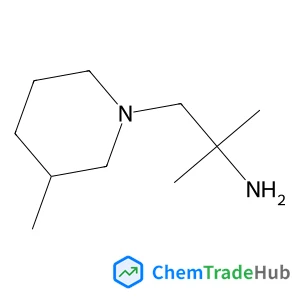
![Methyl [4-cyano-3-(3-thienyl)-1H-pyrazol-1-yl]acetate](https://static.chemtradehub.com/structs/209/2098083-01-1-68bf.webp)
![3-[4-Cyclopentyl-5-(methylsulfanyl)-4H-1,2,4-triazol-3-yl]-1-propanamine hydroiodide (1:1)](https://static.chemtradehub.com/structs/119/1197609-28-1-10f2.webp)
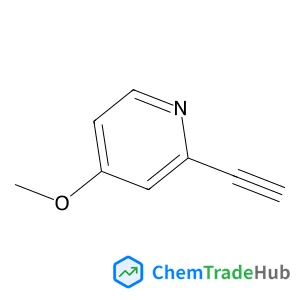
2-Ethynyl-4-methoxypyridine
CAS Number: 1211533-95-7

N-Cyclopropyl-1H-benzimidazol-2-amine
CAS Number: 941266-08-6
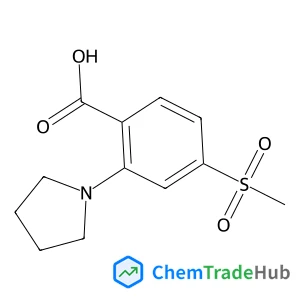
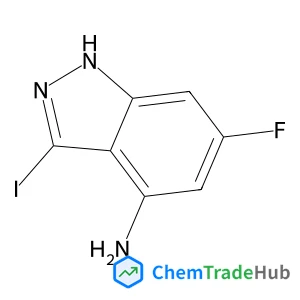
4-AMINO-6-FLUORO-3-IODO (1H)INDAZOLE
CAS Number: 885523-02-4
Other Suppliers for methyl 2-hydroxypyridine-3-carboxylate







Basic Information
Molecular Formula
C7H7NO3
Molecular Weight
153.14 g/mol
Physical Properties
Boiling Point
287 ºC
Density
1.287
Flash Point
127 ºC
Chemical Identifiers
SMILES
COC(=O)C1=CC=CNC1=O
InChIKey
SILBTMNCGYLTOK-UHFFFAOYSA-N
Database References
MDL Number
MFCD00207317
FAQ
Methyl 2-hydroxypyridine-3-carboxylate (CAS: 67383-31-7) falls under the scope of the Globally Harmonized System of Classification and Labeling of Chemicals (GHS) and is regulated by REACH in the European Union. The U.S. FDA and EPA have specific guidelines for the handling and disposal of this compound. Users must comply with local and international regulations regarding its storage, transportation, and disposal to ensure safety and environmental protection.
Yes, there are several alternatives to methyl 2-hydroxypyridine-3-carboxylate (CAS: 67383-31-7) in synthesis, such as methyl 3-hydroxyquinoline-2-carboxylate and methyl 2-hydroxy-6-methylpyridine-3-carboxylate. These alternatives offer similar functionalities but may require different reaction conditions or reagents, making them suitable for specific applications.
Methyl 2-hydroxypyridine-3-carboxylate (CAS: 67383-31-7) is gaining popularity in the pharmaceutical and agrochemical industries due to its potential use as a precursor in the synthesis of various compounds. Research trends indicate a growing interest in exploring its applications in catalysis and as a chelating agent. Market trends show increasing demand driven by the expanding pharmaceutical sector.
Waste containing methyl 2-hydroxypyridine-3-carboxylate (CAS: 67383-31-7) should be collected in appropriate containers and stored separately to prevent contamination. Incineration is a common method for disposal, but professional waste disposal services are recommended to ensure compliance with environmental regulations. Proper protective measures and safety equipment must be used during handling to prevent exposure and environmental pollution.
Safety Notice
Please verify product specifications and safety data before use. Contact the supplier for detailed safety information.
Always follow proper handling procedures
Contact Information
3641133981@qq.com