



AD
3-(4-phenylphenyl)prop-2-enoic acid(CAS: 13026-23-8)
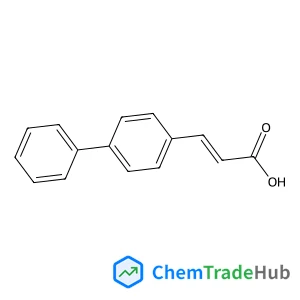
CAS Number
Related Products
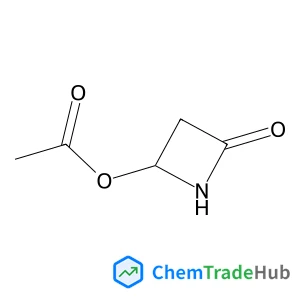
4-Oxo-2-azetidinyl acetate
CAS Number: 28562-53-0
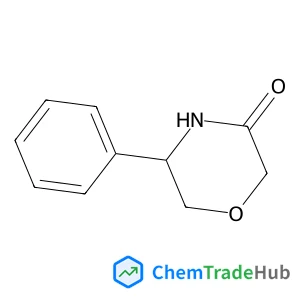
(5R)-5-phenylmorpholin-3-one
CAS Number: 192815-71-7
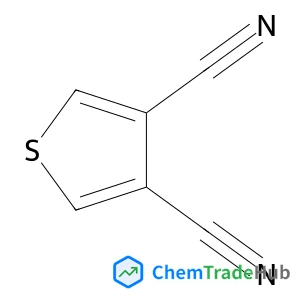
3,4-Thiophenedicarbonitrile
CAS Number: 18853-32-2
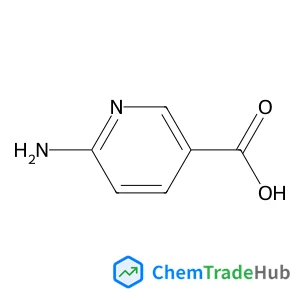
6-Aminonicotinic acid
CAS Number: 3167-49-5
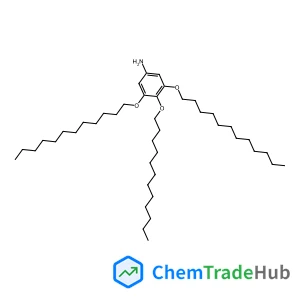
3,4,5-Tris(dodecyloxy)aniline
CAS Number: 151237-05-7
![3,7-Dibromo-5H-pyrido[3',2':4,5]cyclopenta[1,2-b]pyridin-5-one](https://static.chemtradehub.com/structs/772/77213-41-3-ed89.webp)
2,2'-Dimethyl-1,1'-binaphthalene
CAS Number: 32587-64-7
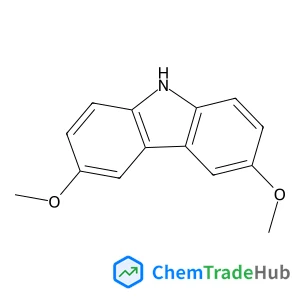
3,6-Dimethoxy-9H-carbazole
CAS Number: 57103-01-2
Other Suppliers for 3-(4-phenylphenyl)prop-2-enoic acid






Basic Information
Molecular Formula
C15H12O2
Molecular Weight
224.26 g/mol
Physical Properties
Melting Point
224-225°C
Boiling Point
412.9°Cat760mmHg
Density
1.178
Flash Point
412.9°Cat760mmHg
Water Solubility
Slightly soluble in water.
Chemical Identifiers
SMILES
C1=CC=C(C=C1)C2=CC=C(C=C2)C=CC(=O)O
InChIKey
DMJDEZUEYXVYNO-UHFFFAOYSA-N
Database References
MDL Number
MFCD00014010
Beilstein Registry Number
1955124
FAQ
3-(4-phenylphenyl)prop-2-enoic acid (CAS: 13026-23-8) is subject to the Globally Harmonized System of Classification and Labelling of Chemicals (GHS), REACH regulations, and FDA/EPA requirements. Manufacturers and importers must ensure proper hazard communication, classification, and labeling according to GHS. REACH requires detailed chemical safety assessments, including identification of Substances of Very High Concern (SVHC). FDA regulations cover its use in pharmaceuticals, while EPA guidelines govern its environmental impact and disposal. Compliance with these regulations is essential for safe handling and use.
Several alternatives can be used in synthesizing similar compounds. Isomeric forms and analogs like 2-(4-phenylphenyl)prop-2-enoic acid or structurally related compounds such as 3-(4-phenylphenyl)propionic acid can be viable alternatives. Common alternative reagents include phenylacetic acid derivatives or other aromatic carboxylic acids. These alternatives offer similar functional groups and reactivity profiles, making them suitable for various chemical transformations.
The market for 3-(4-phenylphenyl)prop-2-enoic acid (CAS: 13026-23-8) is driven by its applications in pharmaceuticals and fine chemicals. Research trends focus on its use as a precursor for drug development and as a stabilizer in various formulations. Recent studies have explored its potential in anticancer and anti-inflammatory treatments. Market trends show steady demand with a focus on sustainable production methods and expanded applications in cosmetic and agricultural chemicals. Emerging research aims to enhance its properties for broader industrial uses.
Waste containing 3-(4-phenylphenyl)prop-2-enoic acid (CAS: 13026-23-8) should be collected in appropriate containers and labeled with the correct hazard information. For disposal, incineration is a common method, especially for organic waste. Alternatively, professional waste disposal services can handle the waste safely and in compliance with regulations. Environmental protection precautions include ensuring that the waste does not enter waterways or soil. Proper documentation and adherence to local and international waste management regulations are crucial for safe disposal.
Safety Notice
Please verify product specifications and safety data before use. Contact the supplier for detailed safety information.
Always follow proper handling procedures
Contact Information
Contact Person
Zhan Lingrui
zhanlingrui@163.com