



AD
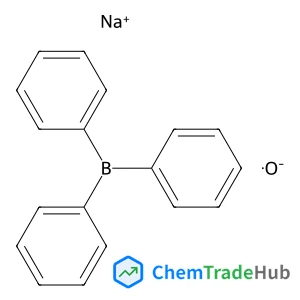
Sodium hydroxy(triphenyl)borate(1-)(CAS: 12113-07-4)
CAS Number
Related Products
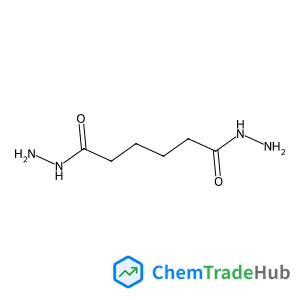
(1Z,6Z)-Hexanedihydrazonic acid
CAS Number: 1071-93-8
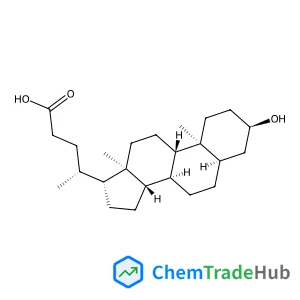
Lithocholic acid
CAS Number: 434-13-9
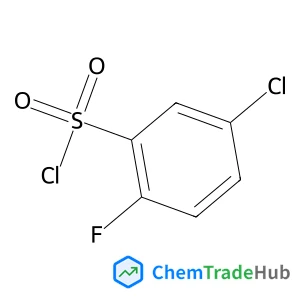
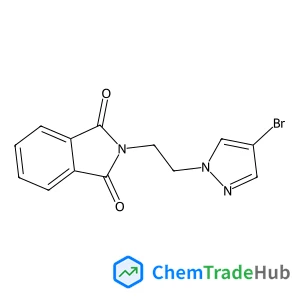

(3,4-Difluorophenyl)boronic acid
CAS Number: 168267-41-2

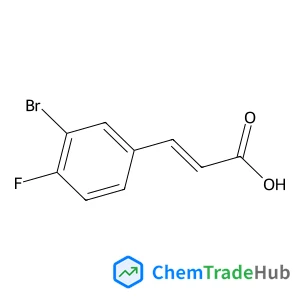
3-Bromo-4-fluorocinnamic acid
CAS Number: 160434-49-1
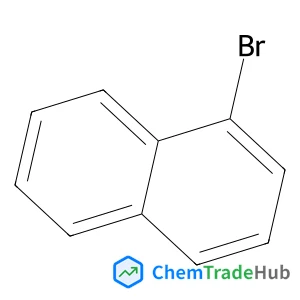
1-Bromonaphthalene
CAS Number: 90-11-9
![7-(3,5-Dimethyl-1,2-oxazol-4-yl)-8-methoxy-1-[(1R)-1-(2-pyridinyl)ethyl]-1,3-dihydro-2H-imidazo[4,5-c]quinolin-2-one](https://static.chemtradehub.com/structs/130/1300031-49-5-dc17.webp)
Other Suppliers for Sodium hydroxy(triphenyl)borate(1-)





Basic Information
Molecular Formula
C18H16BNaO
Molecular Weight
281.11 g/mol
EINECS
235-171-2
Physical Properties
Density
1.07 g/mL at 25 °C
Water Solubility
Soluble in water
Chemical Identifiers
SMILES
c1ccc(cc1)B(c1ccccc1)c1ccccc1.[Na+].[O-]
InChIKey
SUZMSMLUONFLDA-UHFFFAOYSA-N
Database References
MDL Number
MFCD00003008
FAQ
Sodium hydroxy(triphenyl)borate(1-) (CAS: 12113-07-4) falls under the regulatory guidelines of the Globally Harmonized System of Classification and Labelling of Chemicals (GHS) for classification as a hazardous chemical. It is also subject to the REACH regulations in the European Union, which require registration, evaluation, authorization, and restriction of chemicals. In the United States, it must comply with FDA and EPA regulations for safety and environmental protection.
Several alternatives to Sodium hydroxy(triphenyl)borate(1-) are available for synthetic purposes, including various boronic acids and esters, and other borate salts. These alternatives offer similar functionalities and can be chosen based on specific reactivity and compatibility requirements in the synthesis process.
The market for Sodium hydroxy(triphenyl)borate(1-) (CAS: 12113-07-4) is driven by its applications in organic synthesis, particularly in coupling reactions, and in the pharmaceutical and materials science industries. Research trends are focusing on its use in advanced materials and as a chelating agent in catalysis. Price trends indicate a steady demand, with minor fluctuations based on supply chain dynamics and technological advancements.
Waste containing Sodium hydroxy(triphenyl)borate(1-) (CAS: 12113-07-4) should be collected in appropriate containers and disposed of through professional waste disposal services. Environmental precautions include ensuring no aqueous solutions are released into the environment and that all waste is neutralized before disposal. Incineration is a common method, but it must be conducted under controlled conditions to minimize emissions and comply with environmental regulations.
Safety Notice
Please verify product specifications and safety data before use. Contact the supplier for detailed safety information.
Always follow proper handling procedures
Contact Information
1005221305@qq.com