



AD
2,4-Dichloro-5-nitropyridine(CAS: 4487-56-3)
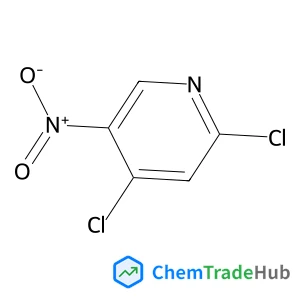
CAS Number
Related Products
![Ethyl bicyclo[2.2.1]hept-5-ene-2-carboxylate](https://static.chemtradehub.com/structs/101/10138-32-6-a6c4.webp)
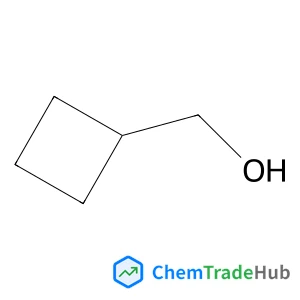
Cyclobutylmethanol
CAS Number: 4415-82-1

1,5-Dibromo-3-methylpentane
CAS Number: 4457-72-1
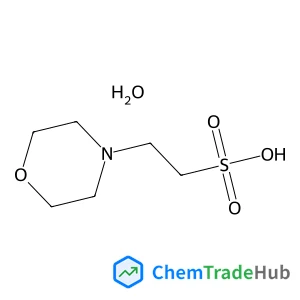
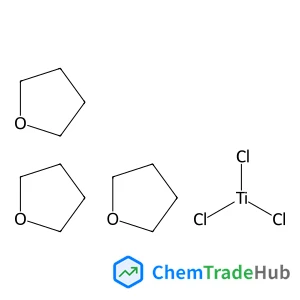
Enalapril Impurity 4
CAS Number: 15121-89-8
![1-[2-(Ethylsulfonyl)ethyl]-2-methyl-5-nitro-1H-imidazole](https://static.chemtradehub.com/structs/193/19387-91-8-a76f.webp)
Other Suppliers for 2,4-Dichloro-5-nitropyridine





Basic Information
Molecular Formula
C5H2Cl2N2O2
Molecular Weight
192.98 g/mol
Physical State
Pale-yellow to Yellow-brown Solid
Physical Properties
Melting Point
42.0 to 46.0 deg-C
Boiling Point
282.329℃/760mmHg
Density
1.63
Flash Point
124.548℃
Chemical Identifiers
SMILES
C1=C(C(=CN=C1Cl)[N+](=O)[O-])Cl
InChIKey
RZVJQUMDJUUBBF-UHFFFAOYSA-N
Database References
MDL Number
MFCD07368834
FAQ
2,4-Dichloro-5-nitropyridine (CAS: 4487-56-3) falls under the classification of hazardous chemicals under the Globally Harmonized System (GHS). It is regulated under REACH in the European Union, which requires manufacturers and importers to register substances if they meet the tonnage threshold. In the U.S., the EPA regulates this compound under the Toxic Substances Control Act (TSCA) and may require reporting, recordkeeping, and other measures based on its use.
Alternatives to 2,4-Dichloro-5-nitropyridine (CAS: 4487-56-3) in synthesis include other pyridine derivatives with different substituents, such as 2-chloro-5-nitropyridine or 2,5-dinitropyridine. These alternatives may offer similar or different reactivity profiles, depending on the specific application. Additionally, using green chemistry principles, researchers might explore less hazardous reagents and solvents.
The market for 2,4-Dichloro-5-nitropyridine (CAS: 4487-56-3) is driven by its use in the production of pharmaceuticals, pesticides, and other organic synthesis intermediates. Research trends are focusing on developing safer alternatives and exploring its use in new applications. Market dynamics show a shift towards more sustainable and environmentally friendly chemicals, which may affect the demand for this compound in the future.
Waste containing 2,4-Dichloro-5-nitropyridine (CAS: 4487-56-3) should be collected in a leak-proof container and stored separately from incompatible materials. The waste should be disposed of by a professional waste disposal service that adheres to local and national regulations, such as incineration or chemical treatment. Environmental precautions include ensuring no spillage and using appropriate personal protective equipment to prevent exposure.
Safety Notice
Please verify product specifications and safety data before use. Contact the supplier for detailed safety information.
Always follow proper handling procedures
Contact Information
Contact Person
Tuyu Tangmengting
1400868822@qq.com