



AD
N-Pentanoylglycine(CAS: 24003-66-5)
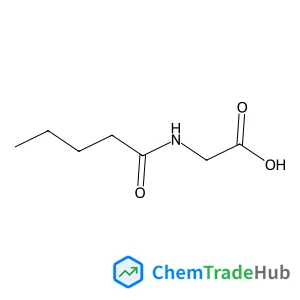
CAS Number
Related Products
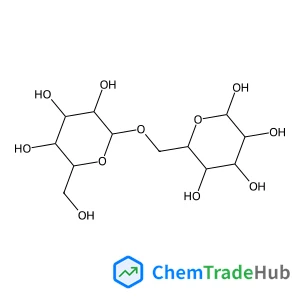
6-O-alpha-D-Glucopyranosyl-D-glucose
CAS Number: 499-40-1
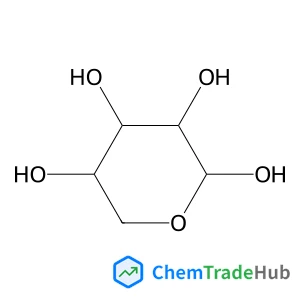
beta-L-Ribopyranose
CAS Number: 87-72-9
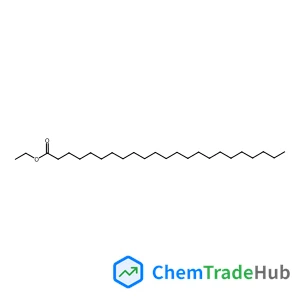
Ethyl tricosanoate
CAS Number: 18281-07-7
![8-{(1R)-1-[(3,5-Difluorophenyl)amino]ethyl}-N,N-dimethyl-2-(4-morpholinyl)-4-oxo-4H-chromene-6-carboxamide](https://static.chemtradehub.com/structs/162/1627494-13-6-1acf.webp)
![(4aR,4bS,6aS,7S,9aS,9bS,11aR)-N-[2,5-Bis(trifluoromethyl)phenyl]-4a,6a-dimethyl-2-oxo-2,4a,4b,5,6,6a,7,8,9,9a,9b,10,11,11a-tetradecahydro-1H-indeno[5,4-f]quinoline-7-carboxamide](https://static.chemtradehub.com/structs/164/164656-23-9-50bb.webp)
Other Suppliers for N-Pentanoylglycine





Basic Information
Molecular Formula
C7H13NO3
Molecular Weight
159.19 g/mol
Physical Properties
Boiling Point
381.6 ºC at 760 mmHg
Density
1.1
Flash Point
184.6 ºC
Chemical Identifiers
SMILES
CCCCC(=O)NCC(=O)O
InChIKey
NYZBWOSRZJKQAI-UHFFFAOYSA-N
Database References
MDL Number
MFCD01910091
FAQ
N-Pentanoylglycine (CAS: 24003-66-5) is classified according to the Globally Harmonized System of Classification and Labelling of Chemicals (GHS), which categorizes it as Category 3 for skin irritation. It is regulated under the EU REACH regulation for identification, registration, evaluation, authorization, and restriction of chemical substances. FDA and EPA may also have specific requirements for its use and disposal, particularly if it is intended for pharmaceutical or agricultural applications.
Yes, there are alternatives to N-Pentanoylglycine (CAS: 24003-66-5) in synthesis, such as N-Hexanoylglycine or N-Propanoylglycine, which can be used as starting materials or intermediates in similar chemical reactions. Other alternatives might include different carboxylic acids or amino acids depending on the specific application and desired properties.
N-Pentanoylglycine (CAS: 24003-66-5) is currently gaining interest in research for its potential use in pharmaceuticals and cosmetics due to its antibacterial and anti-inflammatory properties. Market trends indicate increasing demand in the cosmetic industry, while research is exploring its application in antimicrobial coatings and natural preservatives. The trend is toward more sustainable and biodegradable compounds, making N-Pentanoylglycine a promising candidate in these areas.
Waste containing N-Pentanoylglycine (CAS: 24003-66-5) should be collected in appropriate containers and disposed of according to local regulations. Incineration is a common method for disposal, but professional waste disposal services may be necessary for large quantities or if the waste is considered hazardous. Environmental protection precautions should include proper storage and handling to prevent contamination of soil and water. Always follow local environmental regulations and guidelines for chemical waste management.
Safety Notice
Please verify product specifications and safety data before use. Contact the supplier for detailed safety information.
Always follow proper handling procedures
Contact Information
Contact Person
Wen Jun
wen.jun@e-biochem.com
Mobile
18018625233
Visit Website
http://www.e-biochem.com/Address
No. 3408 Xiupu Road, Pudong New Area, Shanghai