



AD
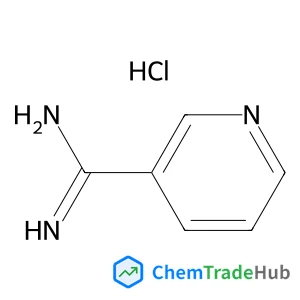
3-Pyridinecarboximidamide hydrochloride (1:1)(CAS: 7356-60-7)
CAS Number
Related Products
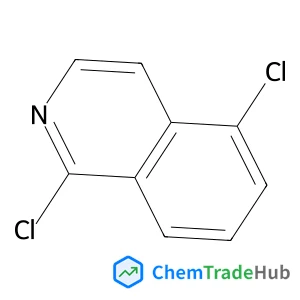
1,5-Dichloroisoquinoline
CAS Number: 70810-23-0
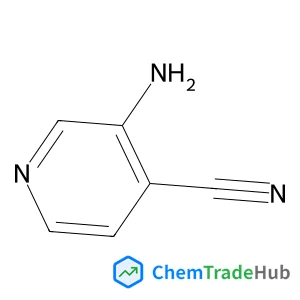
3-Aminoisonicotinonitrile
CAS Number: 78790-79-1
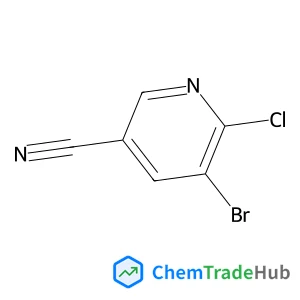
5-Bromo-6-chloronicotinonitrile
CAS Number: 71702-01-7
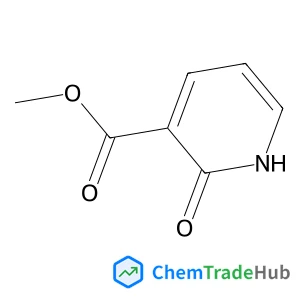
methyl 2-hydroxypyridine-3-carboxylate
CAS Number: 67383-31-7
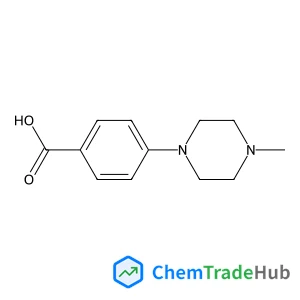
4-(4-Methyl-1-piperazinyl)benzoic acid
CAS Number: 86620-62-4
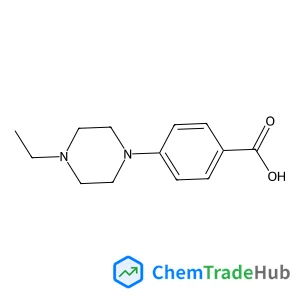
4-(4-Ethyl-1-piperazinyl)benzoic acid
CAS Number: 784130-66-1
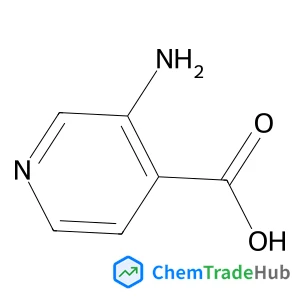
3-Aminoisonicotinic acid
CAS Number: 7579-20-6
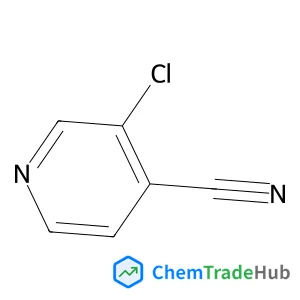
3-Chloroisonicotinonitrile
CAS Number: 68325-15-5
Other Suppliers for 3-Pyridinecarboximidamide hydrochloride (1:1)




Basic Information
Molecular Formula
C6H8ClN3
Molecular Weight
157.6 g/mol
Physical State
Solid
Physical Properties
Melting Point
187.0 to 191.0 deg-C
Boiling Point
240.7°C at 760 mmHg
Flash Point
99.4℃
Chemical Identifiers
SMILES
C1=CC(=CN=C1)C(=N)N.Cl
InChIKey
MKJPBOVLAZADQJ-UHFFFAOYSA-N
Database References
MDL Number
MFCD00054326
Beilstein Registry Number
3595296
FAQ
3-Pyridinecarboximidamide hydrochloride (CAS: 7356-60-7) should be handled according to the Globally Harmonized System of Classification and Labeling of Chemicals (GHS) guidelines. In the European Union, it falls under the REACH regulations which require manufacturers and importers to register substances with the European Chemicals Agency (ECHA). For the US, FDA and EPA have specific requirements for the handling and reporting of this compound. It is important to comply with local and international regulations regarding packaging, storage, and transportation.
Several alternatives to 3-Pyridinecarboximidamide hydrochloride can be used in synthesis, including other imidamides and carboximidamides with different functional groups. Common substitutes include 4-pyridinecarboximidamide hydrochloride and 2-pyridinecarboximidamide hydrochloride. These compounds can offer similar reactivity and may be more readily available or less costly in some cases.
The market for 3-Pyridinecarboximidamide hydrochloride is growing due to its applications in the pharmaceutical and agrochemical industries. Research trends highlight its use as a precursor in the synthesis of various bioactive molecules, particularly in the development of anti-inflammatory and antiviral drugs. Priced between $15 to $20 per gram, the demand is driven by its versatility and effectiveness in different chemical transformations.
Waste containing 3-Pyridinecarboximidamide hydrochloride should be collected in appropriate containers and disposed of through professional waste disposal services. Incineration is a common method for waste disposal, but it must be done in a manner that complies with local environmental regulations. Environmental precautions include ensuring the waste is neutralized before disposal to prevent any potential environmental impact. Proper training and safety measures must be followed to handle the waste safely and responsibly.
Safety Notice
Please verify product specifications and safety data before use. Contact the supplier for detailed safety information.
Always follow proper handling procedures
Contact Information
kysun_jshy@163.com