



AD
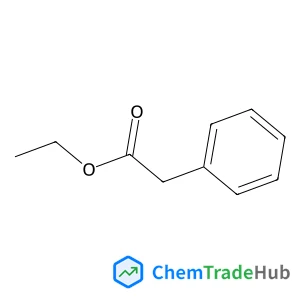
Ethyl phenylacetate(CAS: 101-97-3)
CAS Number
Related Products
NET IIKLM
CAS Number: 99395-99-7
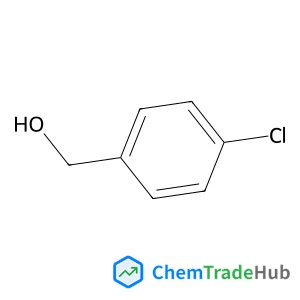
(4-Chlorophenyl)methanol
CAS Number: 873-76-7
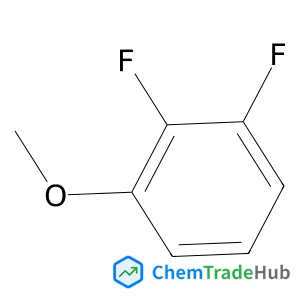
1,2-Difluoro-3-methoxybenzene
CAS Number: 134364-69-5
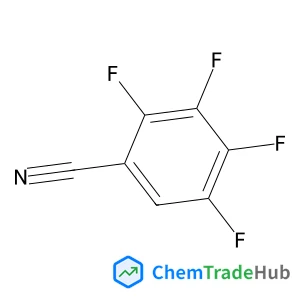
2,3,4,5-Tetrafluorobenzonitrile
CAS Number: 16582-93-7
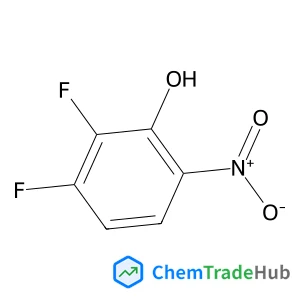
2,3-Difluoro-6-nitrophenol
CAS Number: 82419-26-9
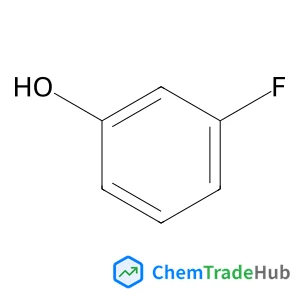
3-Fluorophenol
CAS Number: 372-20-3
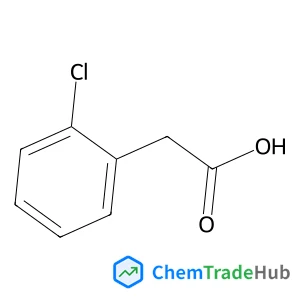
2-Chlorophenylacetic Acid
CAS Number: 2444-36-2
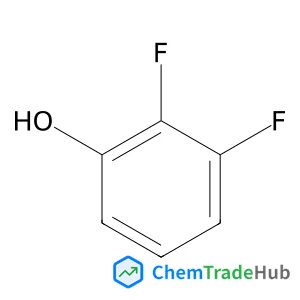
2,3-Difluorophenol
CAS Number: 6418-38-8
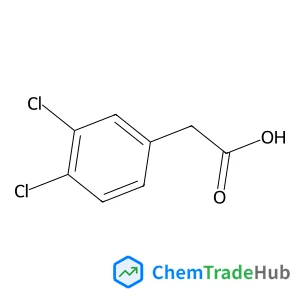
2-(3,4-dichlorophenyl)acetic acid
CAS Number: 5807-30-7
Other Suppliers for Ethyl phenylacetate




Basic Information
Molecular Formula
C10H12O2
Molecular Weight
164.2 g/mol
Physical Properties
Melting Point
-29 ºC
Boiling Point
229 °C(lit.)
Chemical Identifiers
SMILES
CCOC(=O)Cc1ccccc1
InChIKey
DULCUDSUACXJJC-UHFFFAOYSA-N
Database References
MDL Number
MFCD00009178
Beilstein Registry Number
0509140
FAQ
Ethyl phenylacetate is an organic compound with the chemical formula C10H12O2. It is a colorless liquid with a sweet, fruity odor. This ester is commonly used as a fragrance ingredient and is known for its solubility in organic solvents and low solubility in water. It is also used in the synthesis of various pharmaceutical and industrial compounds.
Ethyl phenylacetate is primarily used in the fragrance industry as a flavoring agent and fixative. It also serves as an intermediate in the production of pharmaceuticals, such as certain anti-inflammatory drugs. Additionally, it is used in the manufacture of plastics, coatings, and as a solvent in laboratory settings. Its applications span across perfumery, medicine, and chemical manufacturing.
Ethyl phenylacetate is generally considered safe when handled properly, but it should be treated with caution. It has low toxicity but may cause skin and eye irritation. Safety data sheets recommend using protective gloves, goggles, and ventilation. It is classified as a hazardous substance under certain regulations, so appropriate handling and storage are essential to ensure safety.
Ethyl phenylacetate should be stored in a cool, dry, and well-ventilated area away from direct sunlight. It is best kept in a sealed, airtight container made of glass or high-density polyethylene to prevent contamination and evaporation. Storage at temperatures below 25°C is recommended to maintain stability and prolong shelf life.
Safety Notice
Please verify product specifications and safety data before use. Contact the supplier for detailed safety information.
Always follow proper handling procedures
Contact Information
Contact Person
Jiang Guoping, Wang Ying