



AD
Methyl 3,5-dihydroxybenzoate(CAS: 2150-44-9)

CAS Number
Related Products
![3-[4-Fluoro-2-(trifluoromethyl)phenyl]propanoic acid](https://static.chemtradehub.com/structs/916/916420-73-0-ee37.webp)

2-(4-Fluorobenzyl)-5-pyrimidinamine
CAS Number: 1152557-45-3
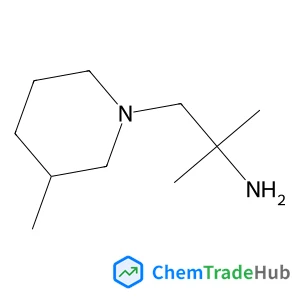
![Methyl [4-cyano-3-(3-thienyl)-1H-pyrazol-1-yl]acetate](https://static.chemtradehub.com/structs/209/2098083-01-1-68bf.webp)
![3-[4-Cyclopentyl-5-(methylsulfanyl)-4H-1,2,4-triazol-3-yl]-1-propanamine hydroiodide (1:1)](https://static.chemtradehub.com/structs/119/1197609-28-1-10f2.webp)
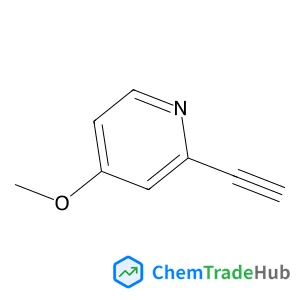
2-Ethynyl-4-methoxypyridine
CAS Number: 1211533-95-7
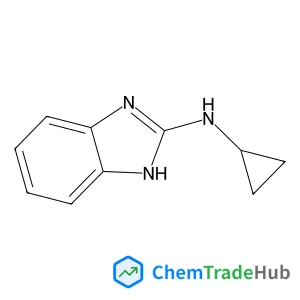
N-Cyclopropyl-1H-benzimidazol-2-amine
CAS Number: 941266-08-6
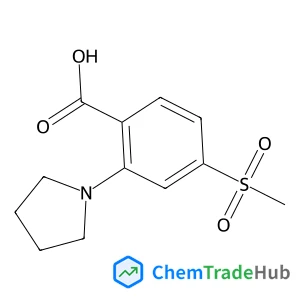

4-AMINO-6-FLUORO-3-IODO (1H)INDAZOLE
CAS Number: 885523-02-4
Other Suppliers for Methyl 3,5-dihydroxybenzoate


Basic Information
Molecular Formula
C8H8O4
Molecular Weight
168.15 g/mol
Physical Properties
Melting Point
167-170 °C (lit.)
Boiling Point
349.4℃ at 760 mmHg
Flash Point
147.6℃
Water Solubility
Slightly soluble in water.
Chemical Identifiers
SMILES
COC(=O)C1=CC(=CC(=C1)O)O
InChIKey
RNVFYQUEEMZKLR-UHFFFAOYSA-N
Database References
MDL Number
MFCD00002289
Beilstein Registry Number
2091651
FAQ
Methyl 3,5-dihydroxybenzoate (CAS: 2150-44-9) is regulated under the Globally Harmonized System of Classification and Labelling of Chemicals (GHS), which includes hazard communication elements such as Porghs, signal words, and pictograms. In the European Union, it is also subject to the Registration, Evaluation, Authorisation and Restriction of Chemicals (REACH) regulation. Additionally, the U.S. Food and Drug Administration (FDA) and Environmental Protection Agency (EPA) have specific requirements for the handling, storage, and disposal of this compound.
Methyl 3,5-dihydroxybenzoate (CAS: 2150-44-9) can be synthesized as an alternative to other similar compounds like methyl 3,4-dihydroxybenzoate or methyl 2,5-dihydroxybenzoate. In certain applications, isomers or analogs such as 2,4-dihydroxybenzoic acid or 3,4-dihydroxybenzoic acid might be considered. Common alternative reagents used in synthesis include sodium hydroxide, sulfuric acid, and various coupling agents, depending on the specific reaction conditions.
The market for methyl 3,5-dihydroxybenzoate (CAS: 2150-44-9) is driven by its use in pharmaceuticals, cosmetics, and as an intermediate in organic synthesis. Research trends are focused on developing safer and more sustainable synthesis methods, exploring new applications in drug delivery systems, and understanding its impact on human health and the environment. Recent studies have also shown potential in environmental remediation and as a biodegradable material.
Waste containing methyl 3,5-dihydroxybenzoate (CAS: 2150-44-9) should be collected in appropriate containment, ensuring no spillage or leakage. It should be neutralized with a basic solution if necessary, and then disposed of through a regulated waste disposal service. Incineration is a common method for disposal, but it should be conducted in an environmentally controlled incinerator. For hazardous waste, professional waste disposal companies that specialize in chemical waste should be contacted to ensure compliance with local and national regulations.
Safety Notice
Please verify product specifications and safety data before use. Contact the supplier for detailed safety information.
Always follow proper handling procedures
Contact Information
3641133981@qq.com