



AD
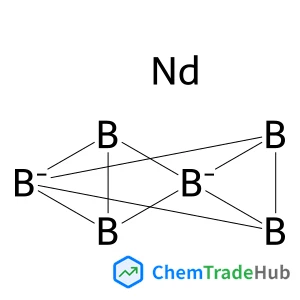
Neodymium boride (NdB6), (OC-6-11)-(CAS: 12008-23-0)
CAS Number
Related Products
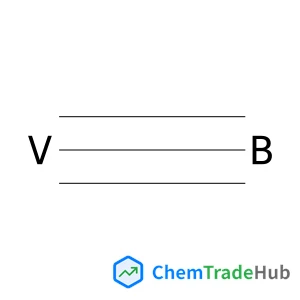
Diborylidynevanadium
CAS Number: 12007-37-3

Diborylidynemanganese
CAS Number: 12228-50-1

Copper sulfide (CuS)
CAS Number: 1317-40-4

Holmium trichloride
CAS Number: 10138-62-2
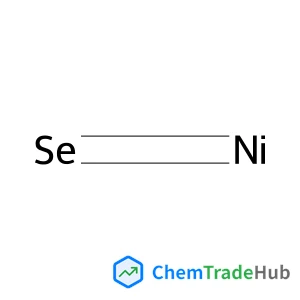
Selenoxonickel
CAS Number: 1314-05-2
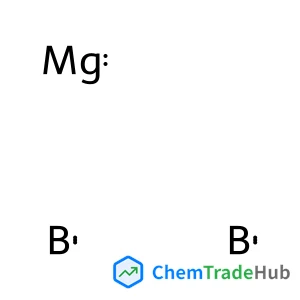
MAGNESIUM BORIDE
CAS Number: 12007-25-9

Molybdenum oxide (MoO2)
CAS Number: 18868-43-4
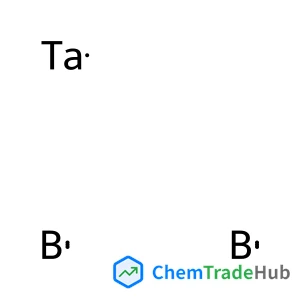
Diborylidynetantalum
CAS Number: 12007-35-1

Other Suppliers for Neodymium boride (NdB6), (OC-6-11)-








Basic Information
Molecular Formula
B6Nd-2
Molecular Weight
209.1 g/mol
Physical Properties
Melting Point
2610°C
Boiling Point
°Cat760mmHg
Flash Point
°C
Water Solubility
Insoluble in water.
Chemical Identifiers
SMILES
B12B3[B-]14B5[B-]23B45.[Nd]
InChIKey
BFDCZOFJVLZAJN-UHFFFAOYSA-N
Database References
MDL Number
MFCD17168556
FAQ
Neodymium boride (NdB6), also known as (OC-6-11), is a compound composed of neodymium and boron. Its chemical formula is NdB6. This compound is characterized by its high melting point and stable structure. It is often produced in a dark grey or black crystalline form.
Neodymium boride is primarily used in advanced technological applications, such as magnetic materials, electronic devices, and as a sintering aid. It is also used in research and development for its unique physical and chemical properties.
Neodymium boride is generally considered safe under normal handling conditions. However, it is important to follow safety guidelines, such as wearing protective gloves and goggles to avoid inhalation or skin contact. Storage in a cool, dry place away from direct sunlight is recommended for optimal safety.
Neodymium boride should be stored in a cool, dry place to prevent moisture absorption, which can affect its stability. It is advisable to keep it in a sealed container away from direct sunlight and high temperatures to maintain its integrity and safety during storage.
Safety Notice
Please verify product specifications and safety data before use. Contact the supplier for detailed safety information.
Always follow proper handling procedures
