



AD
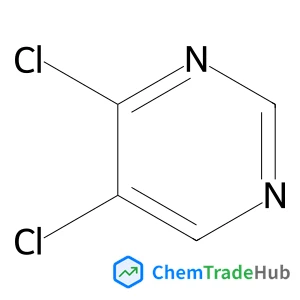
4,5-Dichloropyrimidine(CAS: 6554-61-6)
CAS Number
Related Products
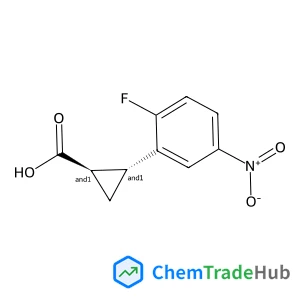

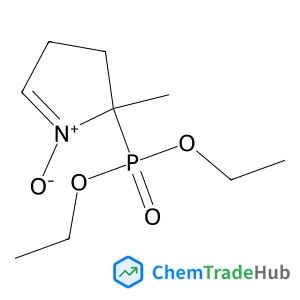

![(1R,2S,6R,7S)-4-{[(1R,2R)-2-{[4-(1,2-Benzothiazol-3-yl)-1-piperazinyl]methyl}cyclohexyl]methyl}-4-azatricyclo[5.2.1.0~2,6~]decane-3,5-dione hydrochloride (1:1)](https://static.chemtradehub.com/structs/367/367514-88-3-d261.webp)
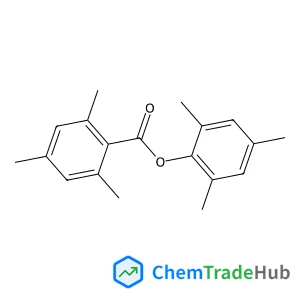
Mesityl 2,4,6-trimethylbenzoate
CAS Number: 1504-38-7
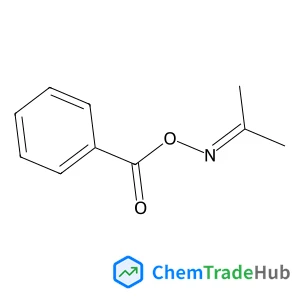
Acetoxime benzoate
CAS Number: 942-89-2
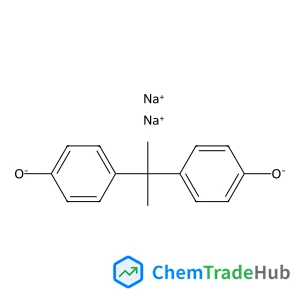
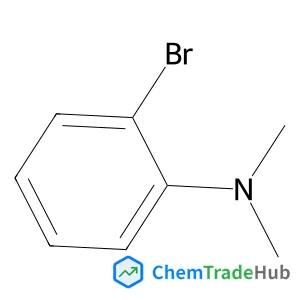
2-Bromo-N,N-dimethylaniline
CAS Number: 698-00-0
Other Suppliers for 4,5-Dichloropyrimidine







Basic Information
Molecular Formula
C4H2Cl2N2
Molecular Weight
148.98 g/mol
Physical Properties
Boiling Point
82 ºC (34 Torr)
Density
1.493±0.06 g/cm3 (20 ºC 760 Torr),
Flash Point
107.6±7.4 ºC,
Chemical Identifiers
SMILES
C1=C(C(=NC=N1)Cl)Cl
InChIKey
NHTURKUJYDHMIQ-UHFFFAOYSA-N
Database References
MDL Number
MFCD09743880
FAQ
4,5-Dichloropyrimidine (CAS: 6554-61-6) falls under the purview of several regulatory guidelines. According to the Globally Harmonized System of Classification and Labelling of Chemicals (GHS), it is classified as a hazardous chemical. In Europe, it is regulated by the REACH regulations, which require manufacturers and importers to register substances with the European Chemicals Agency (ECHA). Additionally, the United States Environmental Protection Agency (EPA) and the Food and Drug Administration (FDA) have specific requirements for the handling and use of this compound.
Several alternatives to 4,5-Dichloropyrimidine (CAS: 6554-61-6) exist in synthesis, depending on the desired properties of the final product. Common alternatives include 4-chloropyrimidine and 5-chloropyrimidine, which can be used as starting materials in similar reactions. Other options include using different halogenated pyrimidines or exploring non-halogenated analogs, such as 4,5-dimethylpyrimidine, which might offer similar functionalities without the need for chlorination.
The market for 4,5-Dichloropyrimidine (CAS: 6554-61-6) is driven by its applications in pharmaceuticals and agriculture. Recent research trends indicate increasing interest in its use as an intermediate in the synthesis of antiviral drugs, particularly in the treatment of influenza. Additionally, there is a growing focus on its role in herbicides and fungicides. Market trends show steady demand, with price stability, but there are ongoing efforts to develop more efficient and sustainable synthesis methods.
Waste containing 4,5-Dichloropyrimidine (CAS: 6554-61-6) should be managed according to local and international hazardous waste regulations. Proper waste collection should be followed, and the waste should be stored in leak-proof containers. Incineration is a common method for disposing of this waste, provided it is done in facilities equipped to handle hazardous waste. Alternatively, professional waste disposal services can offer safe disposal methods. It is crucial to ensure that all waste handling complies with environmental protection regulations to prevent pollution and ensure worker safety.
Safety Notice
Please verify product specifications and safety data before use. Contact the supplier for detailed safety information.
Always follow proper handling procedures
Contact Information
Contact Person
Li Yizhuo
362698781@qq.com
Mobile
15620955089
Telephone
022-88195255
Visit Website
http://www.biochem-mart.com/Address
Binheng District Rujing Street 319 Room