



AD
3,4-Dimethyl-N-phenylaniline(CAS: 17802-36-7)
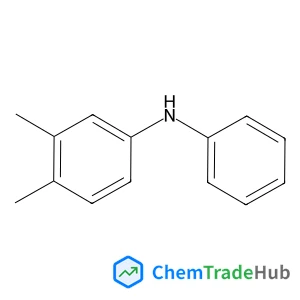
CAS Number
Related Products
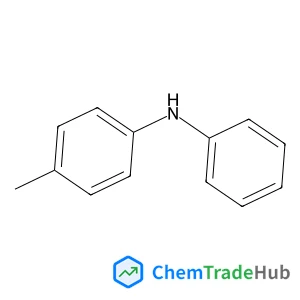
4-Methyl-N-phenylaniline
CAS Number: 620-84-8
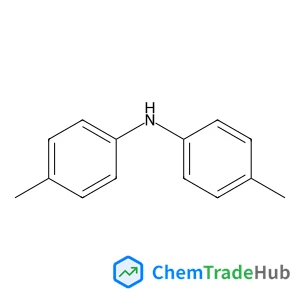
4-Methyl-N-(4-methylphenyl)aniline
CAS Number: 620-93-9
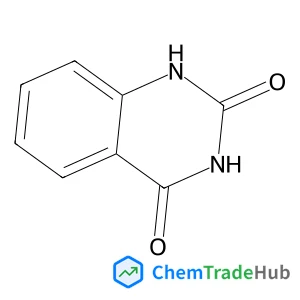
2,4(1H,3H)-Quinazolinedione
CAS Number: 86-96-4
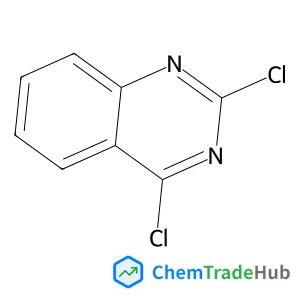
2,4-Dichloroquinazoline
CAS Number: 607-68-1
3-Methyl-N-phenylaniline
CAS Number: 1205-64-7
2,2-Diethoxyethanamine
CAS Number: 645-36-3
Other Suppliers for 3,4-Dimethyl-N-phenylaniline





Basic Information
Molecular Formula
C14H15N
Molecular Weight
197.28 g/mol
Physical State
No data available
Physical Properties
Melting Point
53.0 to 57.0 deg-C
Boiling Point
333.3℃ at 760 mmHg
Density
1.0490
Flash Point
163.6℃
Chemical Identifiers
SMILES
CC1=C(C=C(C=C1)NC2=CC=CC=C2)C
InChIKey
ACWJKFBBRPYPLL-UHFFFAOYSA-N
Database References
MDL Number
MFCD03093248
FAQ
3,4-Dimethyl-N-phenylaniline (CAS: 17802-36-7) is classified under the Globally Harmonized System of Classification and Labeling of Chemicals (GHS) as Category 3 for skin corrosion/irritation. It is also subject to Registration, Evaluation, Authorization and Restriction of Chemicals (REACH) regulations in the European Union, which may require notification or registration based on the quantity and intended use. Additionally, the U.S. Food and Drug Administration (FDA) and Environmental Protection Agency (EPA) may have specific requirements for handling and disposal, particularly if it is used in pharmaceutical or agricultural applications.
There are several alternative reagents that can be used in the synthesis of compounds similar to 3,4-Dimethyl-N-phenylaniline (CAS: 17802-36-7). For instance, 3,4-Dimethylaniline can be used as a direct substitute, while other analogs such as 2,5-Dimethyl-N-phenylaniline can also be considered. Additionally, chemists may explore using different aromatic amines or heterocyclic compounds depending on the desired properties and end application of the product.
The market for 3,4-Dimethyl-N-phenylaniline (CAS: 17802-36-7) shows ongoing interest due to its use in various applications, including pharmaceuticals, dyes, and coatings. Recent research trends have focused on developing more sustainable and environmentally friendly synthesis methods. There is also increasing emphasis on understanding and mitigating the environmental impact of this compound, particularly in regions with stringent regulations. The trend suggests a balance between maintaining current applications and advancing towards greener alternatives.
Waste containing 3,4-Dimethyl-N-phenylaniline (CAS: 17802-36-7) should be collected in appropriate containers to prevent leaks and spills. It is important to neutralize any acidic or basic residues before disposal. The waste should then be stored in a secure, well-ventilated area and disposed of through a registered hazardous waste management company. Incineration is a common method for waste disposal, provided it complies with local environmental regulations. Environmental protection measures include ensuring that the waste does not contaminate soil or water sources, and that all disposal activities are documented and recorded for compliance purposes.
Safety Notice
Please verify product specifications and safety data before use. Contact the supplier for detailed safety information.
Always follow proper handling procedures