



AD
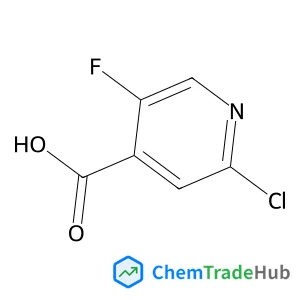
2-Chloro-5-fluoroisonicotinic acid(CAS: 884494-74-0)
CAS Number
Related Products
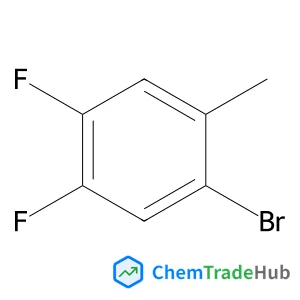
1-Bromo-4,5-difluoro-2-methylbenzene
CAS Number: 875664-38-3
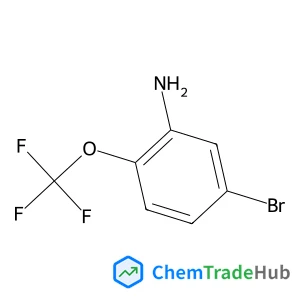
5-Bromo-2-(trifluoromethoxy)aniline
CAS Number: 886762-08-9
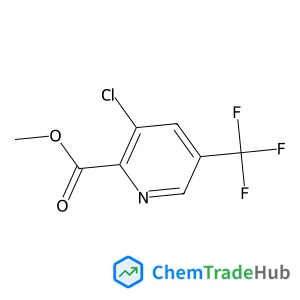
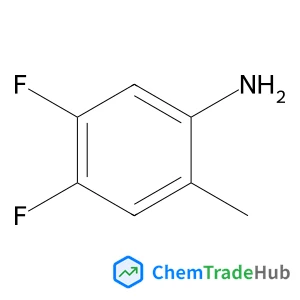
4,5-Difluoro-2-methylaniline
CAS Number: 875664-57-6
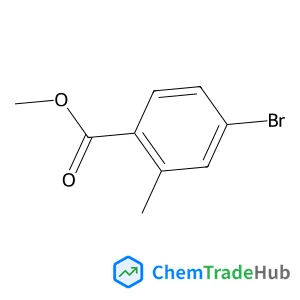
Methyl 4-bromo-2-methylbenzoate
CAS Number: 99548-55-7
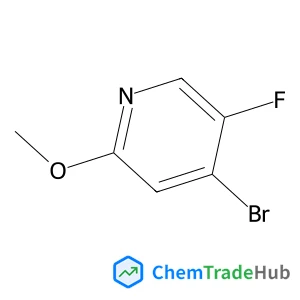
4-Bromo-5-fluoro-2-methoxypyridine
CAS Number: 884495-00-5
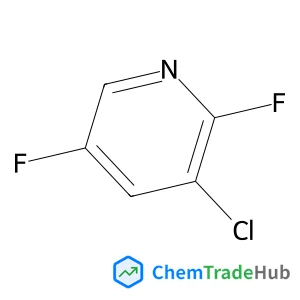
3-Chloro-2,5-difluoropyridine
CAS Number: 851179-00-5
Other Suppliers for 2-Chloro-5-fluoroisonicotinic acid




Basic Information
Molecular Formula
C6H3ClFNO2
Molecular Weight
175.55 g/mol
Physical Properties
Boiling Point
383.6℃ at 760 mmHg
Density
1.576
Flash Point
185.8℃
Chemical Identifiers
SMILES
C1=C(C(=CN=C1Cl)F)C(=O)O
InChIKey
MEDPACAROROBNJ-UHFFFAOYSA-N
Database References
MDL Number
MFCD04972381
FAQ
2-Chloro-5-fluoroisonicotinic acid (CAS: 884494-74-0) falls under the GHS classification system, which includes categories for acute toxicity and skin corrosion/irritation. It is also subject to REACH regulations in the European Union, which cover the registration, evaluation, authorization, and restriction of chemicals. Additionally, the FDA and EPA have specific guidelines for its use and disposal, particularly concerning its potential health and environmental impacts.
Yes, there are alternative reagents that can be used as substitutes in the synthesis of 2-Chloro-5-fluoroisonicotinic acid (CAS: 884494-74-0). Common alternatives include 2-Fluoroisonicotinic acid and 2-Chloroisonicotinic acid, depending on the desired functional group or specific chemical properties. These alternatives can offer similar structures but with varying reactivity and solubility, which may influence the choice of reagents in a particular synthesis.
The market for 2-Chloro-5-fluoroisonicotinic acid (CAS: 884494-74-0) is driven by its applications in pharmaceuticals and agrochemicals. Research trends focus on its use as an intermediate in the development of new drugs and pesticides. The compound is also of interest in academic settings for its unique electronic properties and potential as a model compound in medicinal chemistry. Market demand is expected to grow as new applications are discovered, but price trends may fluctuate based on supply and demand factors.
Waste containing 2-Chloro-5-fluoroisonicotinic acid (CAS: 884494-74-0) should be handled with care to prevent environmental contamination. Waste liquid should be collected in appropriate containers and stored separately. For solid waste, it is advisable to incinerate or use professional waste disposal services to ensure proper disposal. Environmental protection precautions include proper labeling, minimizing contact with skin and eyes, and adhering to local regulations regarding hazardous waste disposal. Always consult the material safety data sheet (MSDS) for specific handling instructions.
Safety Notice
Please verify product specifications and safety data before use. Contact the supplier for detailed safety information.
Always follow proper handling procedures
Contact Information
fred.wen@crcorporation.cn