



AD
2,6-Dichloropyridine(CAS: 2402-78-0)

CAS Number
Related Products
![3-Oxo-N-(2-oxo-2H-benzo[d]imidazol-5-yl)butanamide](https://static.chemtradehub.com/structs/265/26576-46-5-a348.webp)

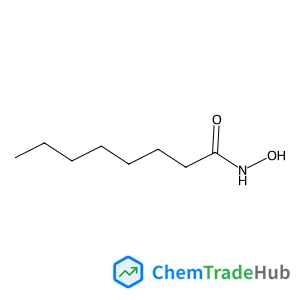
N-Hydroxyoctanamide
CAS Number: 7377-03-9

5-Isopropyl-2-methylphenol
CAS Number: 499-75-2
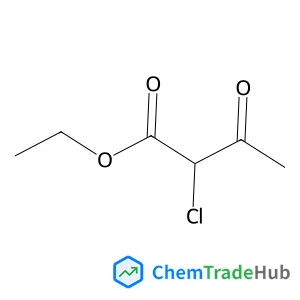
ethyl 2-chloro-3-oxobutanoate
CAS Number: 609-15-4
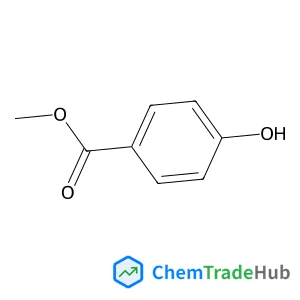
Methyl 4-hydroxybenzoate
CAS Number: 99-76-3

7-Hydroxy-3,7-dimethyloctanal
CAS Number: 107-75-5
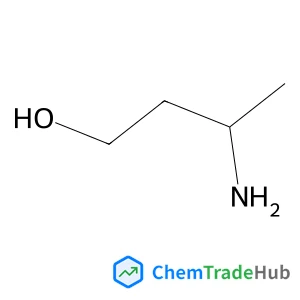
(3R)-3-Amino-1-butanol
CAS Number: 61477-40-5
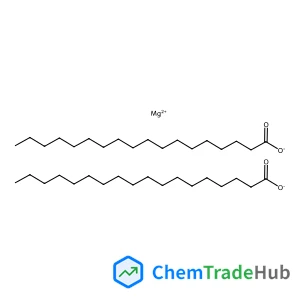
Magnesium dioctadecanoate
CAS Number: 557-04-0
Other Suppliers for 2,6-Dichloropyridine

Basic Information
Molecular Formula
C5H3Cl2N
Molecular Weight
147.99 g/mol
Physical Properties
Melting Point
85.0 to 87.0 deg-C
Boiling Point
212°C(lit.)
Flash Point
110 ºC
Water Solubility
<1 g/L (20 ºC)
Chemical Identifiers
SMILES
C1=CC(=NC(=C1)Cl)Cl
InChIKey
FILKGCRCWDMBKA-UHFFFAOYSA-N
Database References
MDL Number
MFCD00006244
Beilstein Registry Number
108664
FAQ
2,6-Dichloropyridine (CAS: 2402-78-0) is an organic compound with the chemical formula C5H3Cl2N. It is a chlorinated derivative of pyridine, characterized by its aromatic ring structure and two chlorine atoms attached to the 2nd and 6th carbon positions. This compound is known for its moderate solubility in organic solvents and is commonly used as an intermediate in chemical synthesis.
2,6-Dichloropyridine (CAS: 2402-78-0) is primarily used in the pharmaceutical industry as a building block for the synthesis of various drugs and agrochemicals. It also finds applications in research for developing new materials and in industrial processes for producing organic compounds. Its utility stems from its reactivity and ability to form derivatives with diverse functionalities.
2,6-Dichloropyridine (CAS: 2402-78-0) is considered hazardous and should be handled with care. It may cause irritation to the skin, eyes, and respiratory system. Safety standards recommend using appropriate personal protective equipment (PPE), such as gloves and goggles, and ensuring proper ventilation. It is important to follow safety protocols to minimize exposure and risk.
2,6-Dichloropyridine (CAS: 2402-78-0) should be stored in a cool, dry, and well-ventilated place, away from light. It is best kept in a sealed container made of glass or stainless steel to prevent contamination. Storage conditions should maintain a temperature below 25°C and low humidity to ensure stability and prolong shelf life.
Safety Notice
Please verify product specifications and safety data before use. Contact the supplier for detailed safety information.
Always follow proper handling procedures
Contact Information
gcbiotechnology@163.com