



AD
Zinc carbonate(CAS: 3486-35-9)
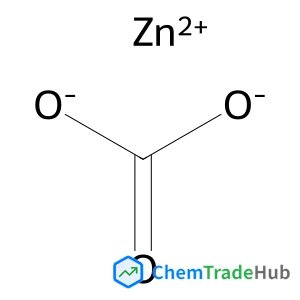
CAS Number
Related Products
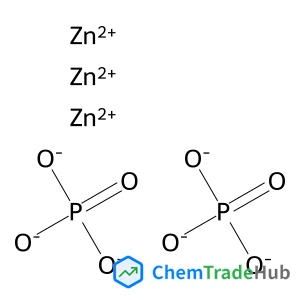
Zinc phosphate (3:2)
CAS Number: 7779-90-0
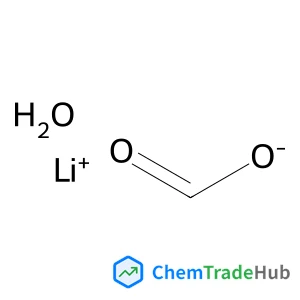
Lithium formate hydrate (1:1:1)
CAS Number: 6108-23-2
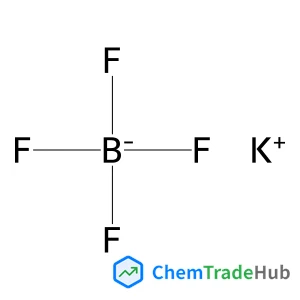
Potassium tetrafluoroborate
CAS Number: 14075-53-7
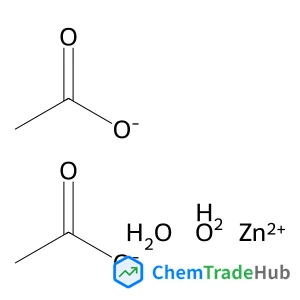
Zinc acetate hydrate (1:2:2)
CAS Number: 5970-45-6
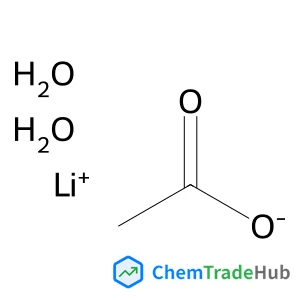
Lithium acetate hydrate (1:1:2)
CAS Number: 6108-17-4
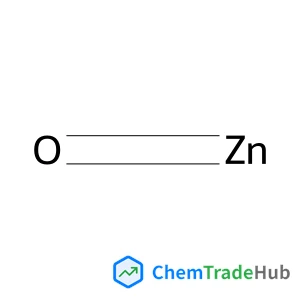
Zinc oxide
CAS Number: 1314-13-2
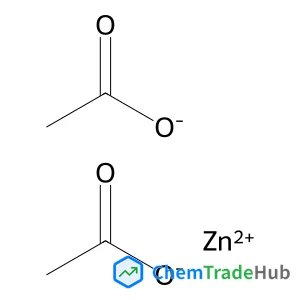
Zinc diacetate
CAS Number: 557-34-6
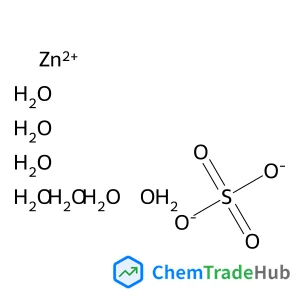
Zinc sulfate heptahydrate
CAS Number: 7446-20-0
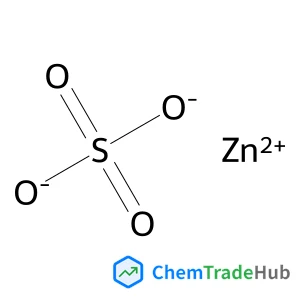
Zinc sulfate
CAS Number: 7733-02-0
Other Suppliers for Zinc carbonate



Basic Information
Molecular Formula
CO3Zn
Molecular Weight
143.4 g/mol
Chemical Identifiers
SMILES
C(=O)([O-])[O-].[Zn+2]
InChIKey
FMRLDPWIRHBCCC-UHFFFAOYSA-L
Database References
MDL Number
MFCD00041957
FAQ
Zinc carbonate is a white, odorless inorganic compound with the chemical formula ZnCO₃. It is a basic salt of zinc and carbonic acid, commonly used in various industrial applications. It has a crystalline structure and is insoluble in water, making it suitable for applications requiring stability in dry environments. Zinc carbonate is also known for its use in pharmaceuticals and as a pigment in some products.
Zinc carbonate is widely used in the production of zinc oxide, as a stabilizer in rubber and plastics, and in the manufacture of paints and coatings. It also finds applications in pharmaceuticals for treating skin conditions and in the food industry as a nutritional supplement. Additionally, it is used in research for analytical purposes and in the production of other zinc compounds due to its chemical reactivity and availability.
Zinc carbonate is generally considered safe when handled properly. It has low toxicity and is not classified as a hazardous substance under many safety regulations. However, direct contact with skin or inhalation of dust may cause mild irritation. Protective measures such as gloves and masks are recommended during handling, and it should be stored away from incompatible materials to ensure safety.
Zinc carbonate should be stored in a cool, dry place, away from moisture and direct sunlight. It is best kept in a sealed container to prevent exposure to air and humidity. Due to its sensitivity to damp conditions, maintaining low humidity levels is essential for stability. Avoid storing near acids or other reactive substances to prevent chemical interactions.
Safety Notice
Please verify product specifications and safety data before use. Contact the supplier for detailed safety information.
Always follow proper handling procedures
Contact Information
Contact Person
Wang Linghui