



AD
4-Chloro-2-nitrobenzonitrile(CAS: 34662-32-3)

CAS Number
Related Products

Propyzamide
CAS Number: 23950-58-5
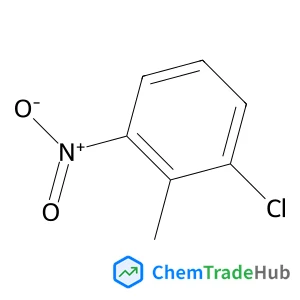
1-Chloro-2-methyl-3-nitrobenzene
CAS Number: 83-42-1

2,6-Dichlorobenzoyl chloride
CAS Number: 4659-45-4

2,6-Difluorobenzamide
CAS Number: 18063-03-1

2-Amino-6-chlorobenzoic acid
CAS Number: 2148-56-3

2,6-Dichlorobenzamide
CAS Number: 2008-58-4
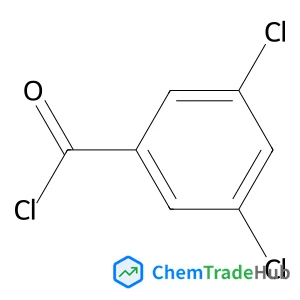
3,5-Dichlorobenzoyl chloride
CAS Number: 2905-62-6

2-Amino-4-chlorobenzonitrile
CAS Number: 38487-86-4

4,5-Dimethoxy-2-nitrobenzoic acid
CAS Number: 4998-07-6
Other Suppliers for 4-Chloro-2-nitrobenzonitrile






Basic Information
Molecular Formula
C7H3ClN2O2
Molecular Weight
182.56 g/mol
Physical Properties
Melting Point
95-100 °C
Boiling Point
313.5 °C at 760 mmHg
Density
1.47
Flash Point
143.4℃
Chemical Identifiers
SMILES
C1=CC(=C(C=C1Cl)[N+](=O)[O-])C#N
InChIKey
OZKOAADVLVCNFO-UHFFFAOYSA-N
Database References
MDL Number
MFCD00027398
FAQ
4-Chloro-2-nitrobenzonitrile is subject to the Globally Harmonized System of Classification and Labelling of Chemicals (GHS) due to its hazardous properties. In the European Union, it is regulated under the Registration, Evaluation, Authorization, and Restriction of Chemicals (REACH) regulation. Additionally, the U.S. Food and Drug Administration (FDA) and Environmental Protection Agency (EPA) have specific safety and handling guidelines. It is crucial to consult the Material Safety Data Sheet (MSDS) for detailed safety information and to comply with local and national regulations.
While 4-Chloro-2-nitrobenzonitrile is a valuable intermediate for synthesizing various compounds, there are alternatives such as 2-nitrobenzonitrile or analogs like 4-fluoro-2-nitrobenzonitrile. These alternatives can be used depending on the desired properties of the final product. It is essential to evaluate the reactivity and availability of these alternatives for the specific synthesis process.
The market for 4-Chloro-2-nitrobenzonitrile is driven by its use in the synthesis of pharmaceuticals and dyes. Recent research trends are focused on developing more efficient and environmentally friendly synthesis methods. Additionally, there is ongoing interest in the use of this compound as a precursor for advanced materials and new drug discovery. As regulatory pressures and sustainability concerns increase, there is a growing emphasis on green chemistry approaches.
Waste containing 4-Chloro-2-nitrobenzonitrile should be collected in appropriate containment and disposed of through professional waste disposal services. It is important to follow local regulations and ensure that the waste is neutralized or treated to minimize environmental impact. Before disposal, consult with environmental health and safety (EHS) professionals to ensure compliance with all relevant safety and regulatory requirements. Incineration under controlled conditions is also a common method for disposing of such hazardous chemicals.
Safety Notice
Please verify product specifications and safety data before use. Contact the supplier for detailed safety information.
Always follow proper handling procedures
Contact Information
Contact Person
Wei Feng