



AD
6-Hydroxy-3,4-dihydro-1(2H)-naphthalenone(CAS: 3470-50-6)

CAS Number
Related Products
![3-[4-Fluoro-2-(trifluoromethyl)phenyl]propanoic acid](https://static.chemtradehub.com/structs/916/916420-73-0-ee37.webp)

2-(4-Fluorobenzyl)-5-pyrimidinamine
CAS Number: 1152557-45-3
![Methyl [4-cyano-3-(3-thienyl)-1H-pyrazol-1-yl]acetate](https://static.chemtradehub.com/structs/209/2098083-01-1-68bf.webp)
![3-[4-Cyclopentyl-5-(methylsulfanyl)-4H-1,2,4-triazol-3-yl]-1-propanamine hydroiodide (1:1)](https://static.chemtradehub.com/structs/119/1197609-28-1-10f2.webp)
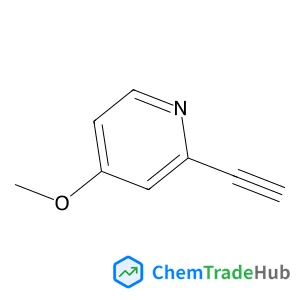
2-Ethynyl-4-methoxypyridine
CAS Number: 1211533-95-7

N-Cyclopropyl-1H-benzimidazol-2-amine
CAS Number: 941266-08-6

4-AMINO-6-FLUORO-3-IODO (1H)INDAZOLE
CAS Number: 885523-02-4
Other Suppliers for 6-Hydroxy-3,4-dihydro-1(2H)-naphthalenone




Basic Information
Molecular Formula
C10H10O2
Molecular Weight
162.19 g/mol
Physical Properties
Melting Point
153.0 to 157.0 deg-C
Boiling Point
358℃ at 760 mmHg
Density
1.097
Flash Point
130.3℃
Chemical Identifiers
SMILES
C1CC2=C(C=CC(=C2)O)C(=O)C1
InChIKey
FNSQPQKPPGALFA-UHFFFAOYSA-N
Database References
MDL Number
MFCD00156670
FAQ
6-Hydroxy-3,4-dihydro-1(2H)-naphthalenone (CAS: 3470-50-6) falls under various regulatory guidelines. It is classified under GHS as a Category 3 skin corrosion/irritation and Category 2 serious eye damage/eye irritation. It is also subject to REACH regulations, where it may require a registration if produced or imported in quantities above 1 tonne per year. Additionally, FDA and EPA have specific requirements for the handling, use, and disposal of this compound, including proper labeling and documentation.
Several alternatives can be used in the synthesis of 6-Hydroxy-3,4-dihydro-1(2H)-naphthalenone (CAS: 3470-50-6), such as 1-naphthol and 2-naphthol. These compounds can serve as starting materials in similar reactions. Additionally, other naphthoquinones and their derivatives can be considered as potential alternatives. Each alternative has its own set of advantages and limitations, which should be carefully evaluated based on the specific application and safety considerations.
What is the market or research trend for 6-Hydroxy-3,4-dihydro-1(2H)-naphthalenone (CAS: 3470-50-6)?
The market for 6-Hydroxy-3,4-dihydro-1(2H)-naphthalenone (CAS: 3470-50-6) is currently stable, with increasing demand in the pharmaceutical and agrochemical industries. Research trends suggest a growing interest in its use as a precursor for the synthesis of other compounds with bioactive properties. Recent studies are exploring its potential in developing new drugs and pesticides. The price trend indicates a steady market value, with minor fluctuations due to supply and demand dynamics. Future research is expected to further elucidate its biological activities and applications.
Waste containing 6-Hydroxy-3,4-dihydro-1(2H)-naphthalenone (CAS: 3470-50-6) should be managed according to proper waste disposal practices. Collection of waste should be done in appropriate containers lined with impermeable materials. It should then be incinerated under controlled conditions or disposed of through professional waste management services. Environmental protection measures include ensuring no leakage or spillage during handling and transport. Compliance with local and international regulations is essential to prevent environmental contamination and ensure worker safety.
Safety Notice
Please verify product specifications and safety data before use. Contact the supplier for detailed safety information.
Always follow proper handling procedures
Contact Information
3641133981@qq.com