



AD
Angelica oil(CAS: 8015-64-3)
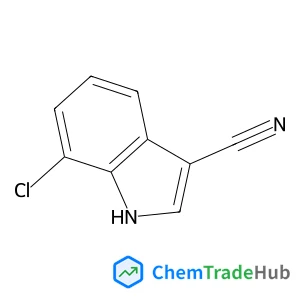
CAS Number
Related Products
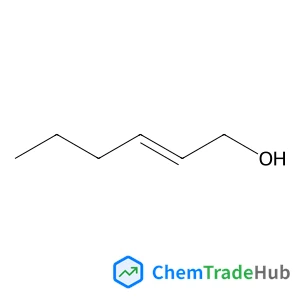
(2E)-2-Hexen-1-ol
CAS Number: 928-95-0
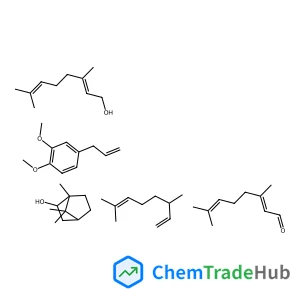
Lemongrass oil
CAS Number: 8007-02-1
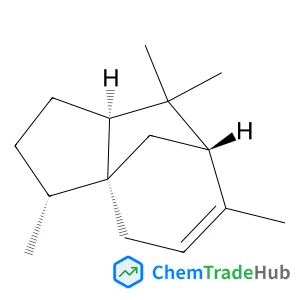
Cedr-8-ene
CAS Number: 469-61-4
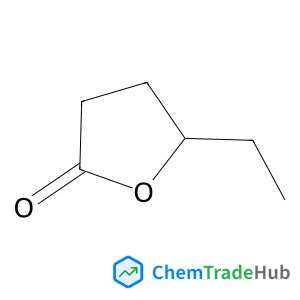
5-Ethyldihydro-2(3H)-furanone
CAS Number: 695-06-7
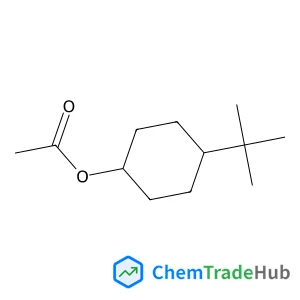
4-tert-Butylcyclohexyl acetate
CAS Number: 32210-23-4
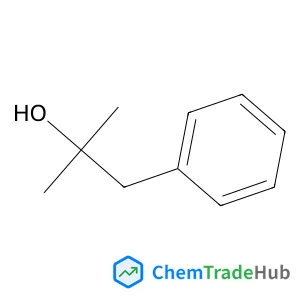
2-Methyl-1-Phenyl-2-Propanol
CAS Number: 100-86-7
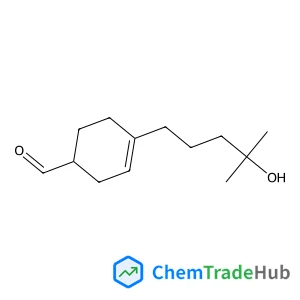
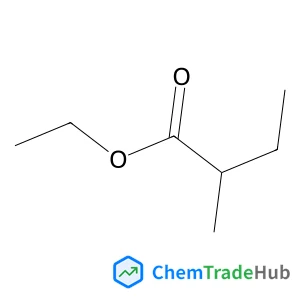
Ethyl 2-methylbutanoate
CAS Number: 7452-79-1
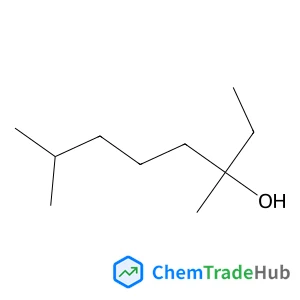
Aprepitant Impurity 19
CAS Number: 78-69-3
Other Suppliers for Angelica oil


Basic Information
Molecular Formula
C9H5ClN2
Molecular Weight
176.6 g/mol
Physical Properties
Density
0.850 g/mL at 25 °C
Chemical Identifiers
SMILES
ClC1=CC=CC2C(C#N)=CNC=21
InChIKey
OEVSYHNNZOKQFD-UHFFFAOYSA-N
FAQ
Angelica oil (CAS: 8015-64-3) is regulated under the Globally Harmonized System (GHS) for classification and labeling of chemicals. It is also subject to the Registration, Evaluation, Authorisation and Restriction of Chemicals (REACH) regulations in the EU, which require companies to register and evaluate the properties of chemicals before placing them on the market. In the US, the Environmental Protection Agency (EPA) and the Food and Drug Administration (FDA) may also have specific requirements concerning its use and handling.
Yes, there are alternatives to Angelica oil (CAS: 8015-64-3) in synthesis, such as synthetic terpenes and other naturally occurring essential oils with similar fragrance profiles. Common alternatives include limonene, linalool, and citronellol. These alternatives can be used to achieve similar sensory effects in a more cost-effective or sustainable manner.
The market for Angelica oil (CAS: 8015-64-3) is primarily driven by the cosmetics and fragrances industry. Research trends include the development of more sustainable extraction methods and the exploration of its potential health benefits. Recent studies have also focused on its antioxidant and anti-inflammatory properties, which may lead to increased interest in its use in pharmaceuticals and natural health products.
Waste containing Angelica oil (CAS: 8015-64-3) should be collected in appropriate, sealed containers and disposed of through a professional waste disposal service. Proper incineration or chemical treatment is recommended to ensure safety and environmental protection. It is crucial to follow local and national regulations for hazardous waste disposal to prevent contamination and ensure compliance with environmental standards.
Safety Notice
Please verify product specifications and safety data before use. Contact the supplier for detailed safety information.
Always follow proper handling procedures
Contact Information
Contact Person
Chen
3012377289@qq.com