



AD
Tetramethylphosphonium chloride(CAS: 1941-19-1)
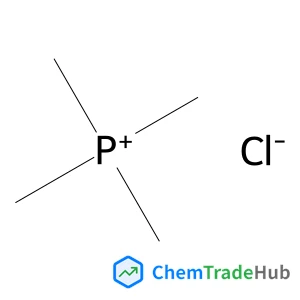
CAS Number
Related Products

1,5-Pentanediylbis(diphenylphosphine)
CAS Number: 27721-02-4

Tributylphosphine oxide
CAS Number: 814-29-9

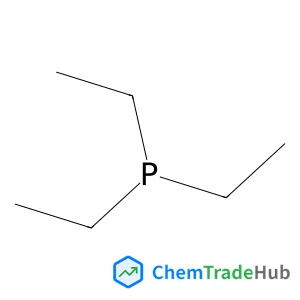
Triethylphosphine
CAS Number: 554-70-1
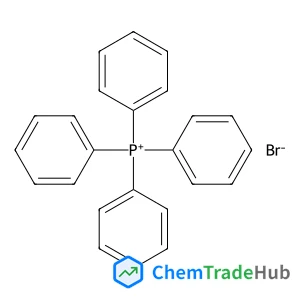
Tetraphenylphosphonium bromide
CAS Number: 2751-90-8

Methylenebis(diphenylphosphine)
CAS Number: 2071-20-7
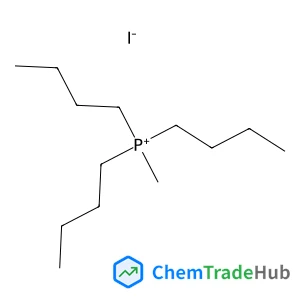
Tributyl(methyl)phosphonium iodide
CAS Number: 1702-42-7

Tetraoctylphosphonium bromide
CAS Number: 23906-97-0

Tributyl(dodecyl)phosphonium bromide
CAS Number: 15294-63-0
Other Suppliers for Tetramethylphosphonium chloride







Basic Information
Molecular Formula
C4H12ClP
Molecular Weight
126.56 g/mol
Physical Properties
Melting Point
396-397 ºC
Chemical Identifiers
SMILES
C[P+](C)(C)C.[Cl-]
InChIKey
NJFUXFRJVIXVSG-UHFFFAOYSA-M
Database References
MDL Number
MFCD00011803
FAQ
Tetramethylphosphonium chloride (CAS: 1941-19-1) falls under the GHS classification as a hazardous substance due to its ability to irritate the skin and eyes. It is also regulated under REACH in the European Union, which requires manufacturers and importers to register substances above a certain tonnage. FDA and EPA have specific labeling and disposal requirements for this compound, which should be followed to ensure compliance.
In synthesis, alternatives to Tetramethylphosphonium chloride include other alkyl phosphonium salts such as tetramethylammonium chloride and tetraethylphosphonium chloride. These can be used depending on the specific reaction conditions and requirements. It's important to consider the solubility, reactivity, and cost when selecting an alternative.
The market for Tetramethylphosphonium chloride (CAS: 1941-19-1) is driven by its use in various applications including chromatography, electrophoresis, and as a Lewis acid catalyst. Research trends are focusing on its use in environmental science for wastewater treatment and as an additive in polymer science. Market trends indicate a steady demand, with potential growth in emerging applications.
Waste containing Tetramethylphosphonium chloride (CAS: 1941-19-1) should be collected in appropriate containers, labeled clearly as hazardous, and stored in a secure area. It should be disposed of by incineration or professional waste disposal services, following local waste regulations. Proper precautions should be taken to prevent environmental contamination and ensure safety during handling and disposal.
Safety Notice
Please verify product specifications and safety data before use. Contact the supplier for detailed safety information.
Always follow proper handling procedures
Contact Information
sales@weitianchem.cn