



AD
D-Glucaric acid(CAS: 87-73-0)
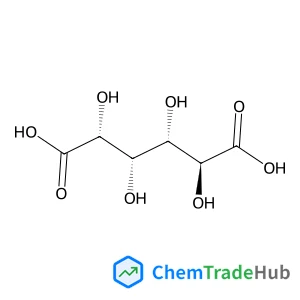
CAS Number
Related Products
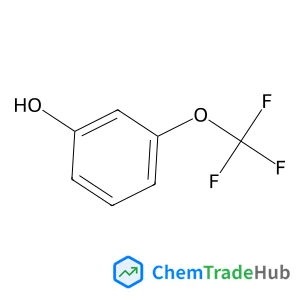
3-(Trifluoromethoxy)phenol
CAS Number: 827-99-6
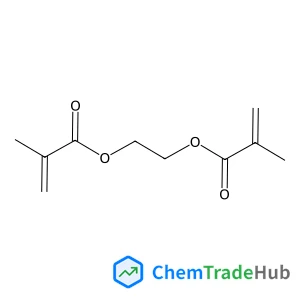
Glycol Dimethacrylate
CAS Number: 97-90-5
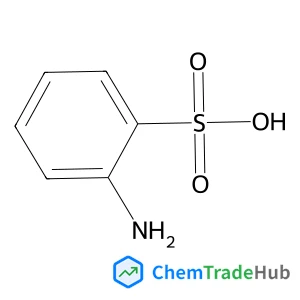
2-Aminobenzenesulfonic acid
CAS Number: 88-21-1
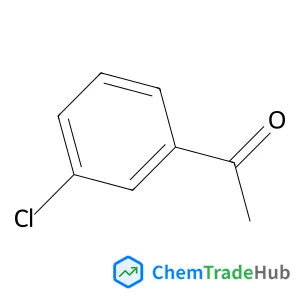
1-(3-Chlorophenyl)ethanone
CAS Number: 99-02-5
![N-{[(2-Methyl-2-propanyl)oxy]carbonyl}-D-tyrosine](https://static.chemtradehub.com/structs/706/70642-86-3-cf33.webp)
![N-[(2R)-2,4-Dihydroxy-3,3-dimethylbutanoyl]-beta-alanine](https://static.chemtradehub.com/structs/79-/79-83-4-c02b.webp)
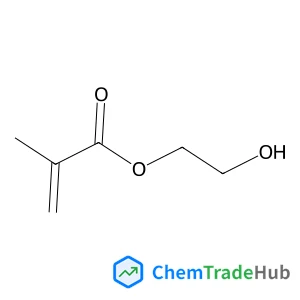
2-Hydroxyethyl methacrylate
CAS Number: 868-77-9
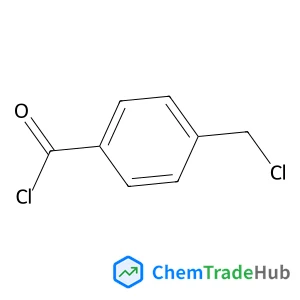
4-(Chloromethyl)benzoyl chloride
CAS Number: 876-08-4
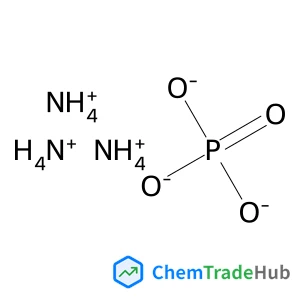
Triammonium phosphate
CAS Number: 68333-79-9
Other Suppliers for D-Glucaric acid




Basic Information
Molecular Formula
C6H10O8
Molecular Weight
210.14 g/mol
Physical Properties
Melting Point
125-126°
Boiling Point
269.65°C (rough estimate)
Density
1.5274 (rough estimate)
Chemical Identifiers
SMILES
[C@H]([C@@H]([C@@H](C(=O)O)O)O)([C@H](C(=O)O)O)O
InChIKey
DSLZVSRJTYRBFB-LLEIAEIESA-N
Database References
MDL Number
MFCD09752094
FAQ
D-Glucaric acid (CAS: 87-73-0) is classified under the Globally Harmonized System of Classification and Labelling of Chemicals (GHS) as a skin and eye irritant. In the European Union, it is regulated under REACH, requiring suppliers to register substances above a certain tonnage. The U.S. FDA and EPA may require reporting and registration under specific circumstances. Compliance with local regulations and guidelines is essential for handling and use.
Alternatives to D-Glucaric acid (CAS: 87-73-0) in synthesis include other carboxylic acids like malic acid or tartaric acid, which can serve similar functions in organic reactions. Isomers and analogs may also be considered based on specific reaction requirements and availability.
The market for D-Glucaric acid (CAS: 87-73-0) is growing due to its applications in pharmaceuticals, food additives, and health supplements. Research trends focus on its bioavailability and potential health benefits. Increasing demand is also driven by its use as a natural preservative and antioxidant.
Waste containing D-Glucaric acid (CAS: 87-73-0) should be collected in appropriate containers and disposed of through professional waste disposal services. Incineration can be used if the waste is not hazardous. Environmental protection precautions include preventing spills and ensuring compliance with local waste management regulations to avoid contamination.
Safety Notice
Please verify product specifications and safety data before use. Contact the supplier for detailed safety information.
Always follow proper handling procedures
Contact Information
info@chemicalbook.com