



AD
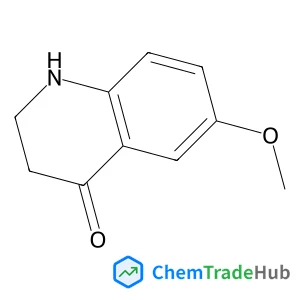
6-Methoxy-2,3-dihydro-4(1H)-quinolinone(CAS: 3835-21-0)
CAS Number
Related Products
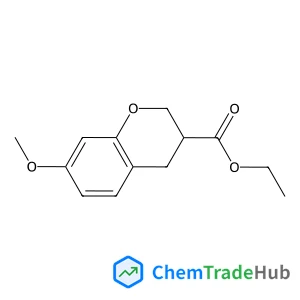
Ethyl 7-methoxy-3-chromanecarboxylate
CAS Number: 885271-77-2
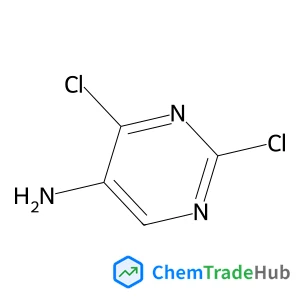
2,4-Dichloro-5-pyrimidinamine
CAS Number: 5177-27-5
![9-Oxa-1,4-diazaspiro[5.5]undecane](https://static.chemtradehub.com/structs/303/303802-17-7-2081.webp)
9-Oxa-1,4-diazaspiro[5.5]undecane
CAS Number: 303802-17-7
Other Suppliers for 6-Methoxy-2,3-dihydro-4(1H)-quinolinone






Basic Information
Molecular Formula
C10H11NO2
Molecular Weight
177.2 g/mol
Physical Properties
Boiling Point
358.3°Cat760mmHg
Density
1.159
Flash Point
170.5°C
Chemical Identifiers
SMILES
COC1=CC2=C(C=C1)NCCC2=O
InChIKey
DNEJGKYNLMKDEA-UHFFFAOYSA-N
Database References
MDL Number
MFCD00667628
FAQ
6-Methoxy-2,3-dihydro-4(1H)-quinolinone (CAS: 3835-21-0) must adhere to regulatory guidelines such as GHS classification, which includes handling and storage precautions. It is also subject to REACH regulations in the European Union, which require manufacturers and importers to register the substance if it meets certain tonnage thresholds. Additionally, FDA and EPA have specific requirements for the use and disposal of this compound in the United States.
While 6-Methoxy-2,3-dihydro-4(1H)-quinolinone (CAS: 3835-21-0) is a specific compound, there are alternatives such as other quinoline derivatives that can serve similar roles in synthesis. Commonly, chemists might explore 2,3-dihydro-4(1H)-quinolinone or its analogs, which can offer similar functionalities. Additionally, alternative reagents like 2,3-dihydro-4(1H)-quinolinone can be used as a starting material or intermediate in different synthetic routes.
The market for 6-Methoxy-2,3-dihydro-4(1H)-quinolinone (CAS: 3835-21-0) is growing, driven by its applications in pharmaceuticals and agrochemicals. Research trends are focusing on its potential as a bioactive compound, particularly in drug discovery. The compound is also being explored for its antimicrobial and antiparasitic properties, making it a key focus in emerging research fields. Market trends indicate increasing demand due to these properties and its use in developing new treatments.
Waste containing 6-Methoxy-2,3-dihydro-4(1H)-quinolinone (CAS: 3835-21-0) should be collected and disposed of in accordance with regulatory guidelines. This often involves neutralizing and then incineration, or professional waste disposal services that can handle hazardous waste. Environmental protection precautions include ensuring that waste is not released into the water system, and that all handlers are properly trained and use appropriate personal protective equipment. Compliance with local and international regulations is crucial to ensure safe waste management.
Safety Notice
Please verify product specifications and safety data before use. Contact the supplier for detailed safety information.
Always follow proper handling procedures

Contact Information
Contact Person
Miss Shi
xinyu_shi@jwypharmlab.com.cn
Mobile
13651849907
Telephone
021-64340559
Visit Website
https://www.jwypharmlab.com.cn/Address
No. 5 Building, Building 351, Chenge Road, Minhang District, Shanghai