



AD
1,1,3,3-Tetramethoxypropane(CAS: 102-52-3)
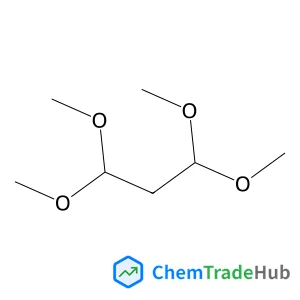
CAS Number
Related Products
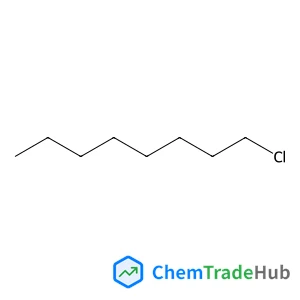
1-Chlorooctane
CAS Number: 111-85-3
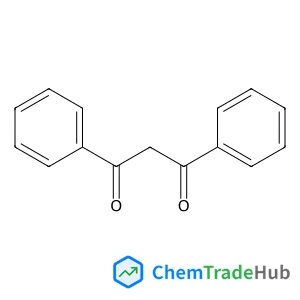
1,3-Diphenyl-1,3-propanedione
CAS Number: 120-46-7
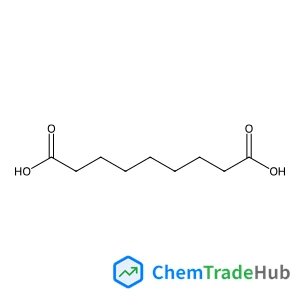
Azelaic Acid
CAS Number: 123-99-9
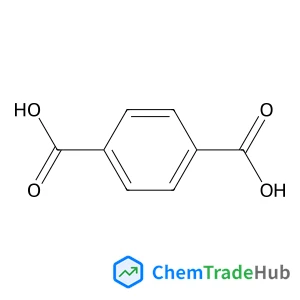
Terephthalic acid
CAS Number: 100-21-0
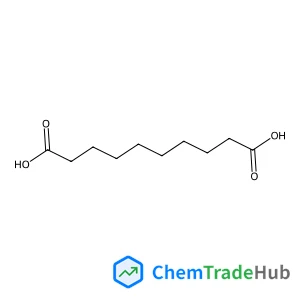
Sebacic acid
CAS Number: 111-20-6
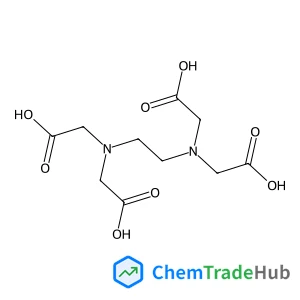
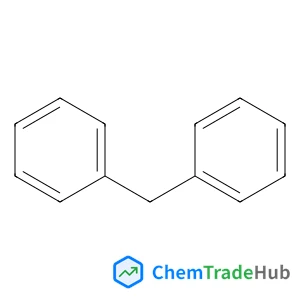
1,1'-Methylenedibenzene
CAS Number: 101-81-5
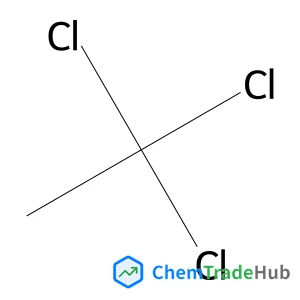
1,1,2-Trichloroethane
CAS Number: 25323-89-1
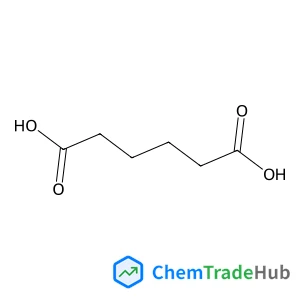
Adipic Acid
CAS Number: 124-04-9
Other Suppliers for 1,1,3,3-Tetramethoxypropane





Basic Information
Molecular Formula
C7H16O4
Molecular Weight
164.2 g/mol
Physical Properties
Boiling Point
183 °C(lit.)<br />70-75 °C/15 mmHg(lit.)
Chemical Identifiers
SMILES
COC(CC(OC)OC)OC
InChIKey
XHTYQFMRBQUCPX-UHFFFAOYSA-N
Database References
MDL Number
MFCD00008488
Beilstein Registry Number
1700020
FAQ
1,1,3,3-Tetramethoxypropane (CAS: 102-52-3) is an organic compound with the chemical formula C8H18O4. It is a colorless liquid with a sweet odor, commonly used as a solvent and in the synthesis of various organic chemicals. Its structure consists of a propane backbone with methoxy groups attached at the 1, 1, 3, and 3 positions, making it highly polar and miscible with many solvents.
1,1,3,3-Tetramethoxypropane (CAS: 102-52-3) is primarily used as a solvent in pharmaceutical and chemical research. It also finds applications in the production of specialty chemicals, as a stabilizer in some formulations, and in the development of organic compounds for industrial and laboratory purposes. Its high polarity and solvating ability make it suitable for a wide range of chemical processes.
1,1,3,3-Tetramethoxypropane (CAS: 102-52-3) is generally considered safe when handled properly. However, it should be used with caution as it may cause irritation to the skin, eyes, and respiratory system. Safety data sheets recommend wearing appropriate personal protective equipment, such as gloves and goggles, and ensuring proper ventilation. It is not classified as highly toxic but should be kept away from heat and open flames.
1,1,3,3-Tetramethoxypropane (CAS: 102-52-3) should be stored in a cool, dry, and well-ventilated area, away from direct sunlight and sources of heat. It is best kept in tightly sealed containers made of non-reactive materials like glass or stainless steel. Maintaining low humidity levels is important to prevent degradation, and it should be stored in a controlled environment to ensure stability and safety.
Safety Notice
Please verify product specifications and safety data before use. Contact the supplier for detailed safety information.
Always follow proper handling procedures