



AD
2,4-Dichloroquinoline(CAS: 703-61-7)
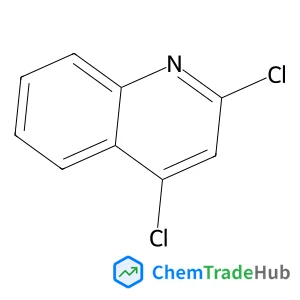
CAS Number
Related Products
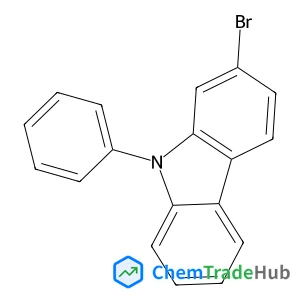
2-Bromo-9-phenyl-9H-carbazole
CAS Number: 94994-62-4
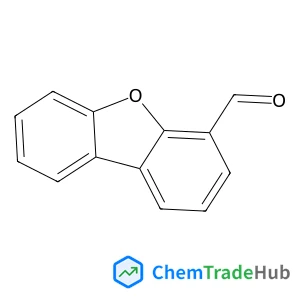
4-Dibenzofurancarboxaldehyde
CAS Number: 96706-46-6
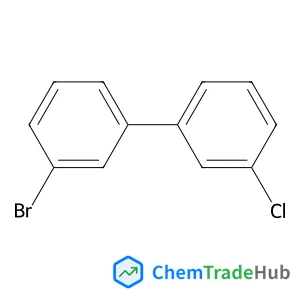
3-Bromo-3'-chlorobiphenyl
CAS Number: 844856-42-4
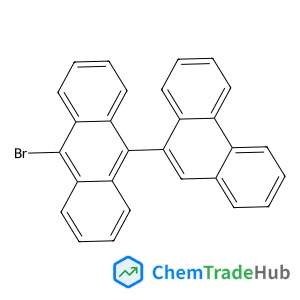
9-Bromo-10-(9-phenanthryl)anthracene
CAS Number: 845457-53-6
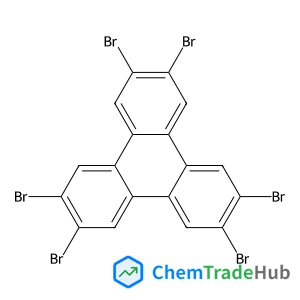
2,3,6,7,10,11-Hexabromotriphenylene
CAS Number: 82632-80-2
![4,6-Dibromodibenzo[b,d]thiophene](https://static.chemtradehub.com/structs/669/669773-34-6-6a1c.webp)
4,6-Dibromodibenzo[b,d]thiophene
CAS Number: 669773-34-6
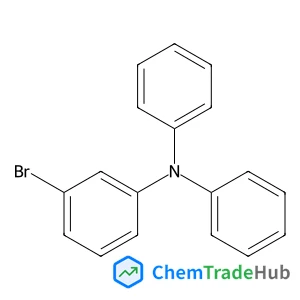
3-Bromo-N,N-diphenylaniline
CAS Number: 78600-33-6
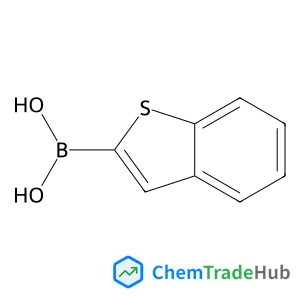
1-Benzothiophen-2-ylboronic acid
CAS Number: 98437-23-1
Other Suppliers for 2,4-Dichloroquinoline




Basic Information
Molecular Formula
C9H5Cl2N
Molecular Weight
198.05 g/mol
Physical State
Solid
Physical Properties
Melting Point
63.0 to 67.0 deg-C
Boiling Point
282°C(lit.)
Density
1.4178 (rough estimate)
Chemical Identifiers
SMILES
C1=CC=C2C(=C1)C(=CC(=N2)Cl)Cl
InChIKey
QNBJYUUUYZVIJP-UHFFFAOYSA-N
Database References
MDL Number
MFCD00023939
FAQ
2,4-Dichloroquinoline (CAS: 703-61-7) is classified under the Globally Harmonized System of Classification and Labeling of Chemicals (GHS) as a health hazard due to its toxic properties. Regulatory guidelines include compliance with REACH regulations in the European Union, which requires registration for substances above 1 ton per year, and FDA/EPA requirements for handling and disposal to ensure environmental safety and human health protection.
2,4-Dichloroquinoline (CAS: 703-61-7) is often chosen for its specific reactivity in quinoline derivatization. However, alternatives such as 2,3-dichloroquinoline and 3,4-dichloroquinoline can be used depending on the desired product. Common alternative reagents include chloroformic acid, thionyl chloride, and phosphorus oxychloride, which provide similar functionalities but with different reactivity profiles.
Market trends for 2,4-Dichloroquinoline (CAS: 703-61-7) have shown increasing demand in pharmaceuticals and agrochemicals due to its role as a precursor in the synthesis of biologically active compounds. Research is focusing on its use in developing new drugs and pesticides, with a growing emphasis on sustainable and eco-friendly synthesis methods to address environmental concerns.
Waste containing 2,4-Dichloroquinoline (CAS: 703-61-7) should be collected in sealed containers and stored in a secure, well-ventilated area. Proper waste disposal should follow local regulations, typically involving incineration or professional waste disposal services. Environmental protection measures include minimizing exposure to water sources and soil, and adhering to strict handling protocols to prevent contamination and ensure safety during disposal.
Safety Notice
Please verify product specifications and safety data before use. Contact the supplier for detailed safety information.
Always follow proper handling procedures
Contact Information
libo-nirvana@163.com