



AD
4-(2-Methyl-2-propanyl)pyridine(CAS: 3978-81-2)
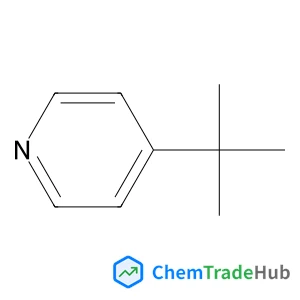
CAS Number
Related Products
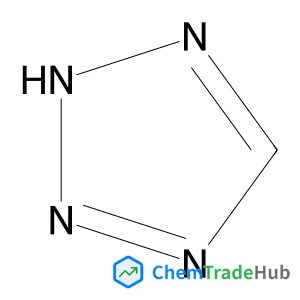
2H-Tetrazole
CAS Number: 288-94-8
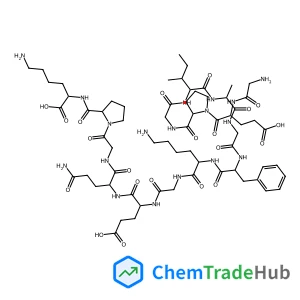
Collagen(cattle skin) (9CI)
CAS Number: 9064-67-9
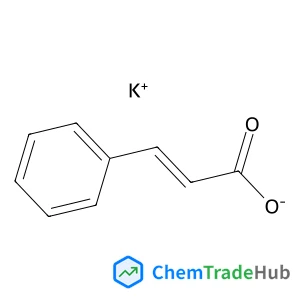
Potassium (2E)-3-phenylacrylate
CAS Number: 16089-48-8
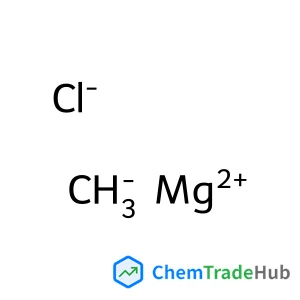
Chloro(methyl)magnesium
CAS Number: 676-58-4
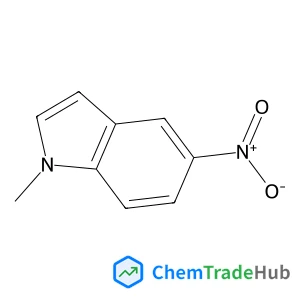
1-Methyl-5-nitro-1H-indole
CAS Number: 29906-67-0
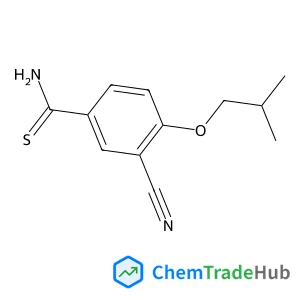
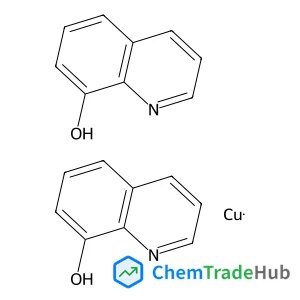
Bis(8-quinolinolato)copper(II)
CAS Number: 10380-28-6
![2-[4-(1-Hydroxy-4-{4-[hydroxy(diphenyl)methyl]-1-piperidinyl}butyl)phenyl]-2-methylpropanoic acid hydrochloride (1:1)](https://static.chemtradehub.com/structs/153/153439-40-8-f2bf.webp)
Other Suppliers for 4-(2-Methyl-2-propanyl)pyridine


Basic Information
Molecular Formula
C9H13N
Molecular Weight
135.21 g/mol
Physical Properties
Melting Point
-40°C(lit.)
Boiling Point
197°C(lit.)
Chemical Identifiers
SMILES
CC(C)(C)C1=CC=NC=C1
InChIKey
YSHMQTRICHYLGF-UHFFFAOYSA-N
Database References
MDL Number
MFCD00006435
FAQ
4-(2-Methyl-2-propanyl)pyridine (CAS: 3978-81-2) is subject to various regulatory guidelines depending on its intended use. Under the Globally Harmonized System of Classification and Labelling of Chemicals (GHS), it may fall under categories that require specific hazard communication, including safety data sheets (SDS) and hazard pictograms. In the European Union, it must comply with the Registration, Evaluation, Authorization, and Restriction of Chemicals (REACH) regulation, which may require detailed documentation of its production, import, and use. Additionally, the U.S. Food and Drug Administration (FDA) and Environmental Protection Agency (EPA) may have specific requirements for its handling and use, particularly in the context of pharmaceuticals and environmental release.
Several alternatives to 4-(2-Methyl-2-propanyl)pyridine (CAS: 3978-81-2) can be used in synthesis, depending on the specific requirements of the reaction. Common alternatives include other substituted pyridines or related heterocycles. For instance, 2-methylpyridine and 3-methylpyridine are often used as precursors in similar reactions. Additionally, isomers such as 2-(2-methylpropyl)pyridine can be considered as alternatives. The choice of alternative reagents depends on factors such as reactivity, cost, and availability.
The market for 4-(2-Methyl-2-propanyl)pyridine (CAS: 3978-81-2) is driven by its applications in pharmaceuticals, agrochemicals, and fine chemicals. Research trends suggest an increasing focus on the development of synthetic routes that are more environmentally friendly and cost-effective. Additionally, there is ongoing interest in exploring its use in novel drug delivery systems and as a building block for complex molecules. Price trends indicate a stable market with minor fluctuations based on supply and demand dynamics. Emerging research fields include the use of 4-(2-Methyl-2-propanyl)pyridine in catalysis and as a precursor in organic synthesis.
Waste containing 4-(2-Methyl-2-propanyl)pyridine (CAS: 3978-81-2) should be managed in compliance with local and international regulations. It is advisable to collect the waste in sealed, compatible containers and ensure that the containers are properly labeled with the chemical name and hazardous nature of the waste. The waste should be disposed of through professional waste disposal services that are licensed to handle hazardous chemicals. Incineration can be a suitable method if the waste is not suitable for recycling or reclamation. Environmental precautions include avoiding direct contact with waste and ensuring proper ventilation during handling. Compliance with disposal regulations is crucial to prevent environmental contamination and ensure worker safety.
Safety Notice
Please verify product specifications and safety data before use. Contact the supplier for detailed safety information.
Always follow proper handling procedures