



AD
Danthron (1,8-Dihydroxyanthraquinone)(CAS: 117-10-2)

CAS Number
Related Products
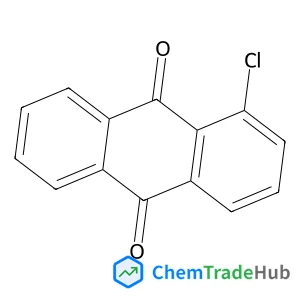
1-Chloro-9,10-anthraquinone
CAS Number: 82-44-0
![2-[(2,3-dihydro-1,3-dioxo-1H-isoindol-5-yl)azo]-N-(2,4-dimethylphenyl)-3-oxobutanamide](https://static.chemtradehub.com/structs/384/38489-24-6-9039.webp)
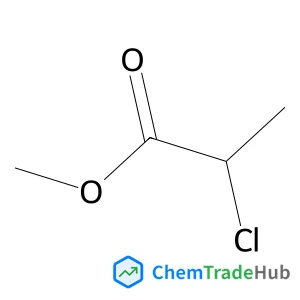
(-)-Methyl Alpha-Chloropropionate
CAS Number: 73246-45-4
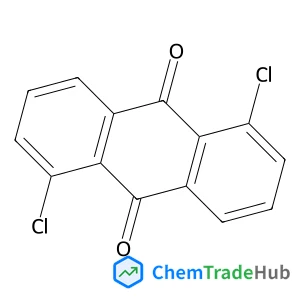
1,5-Dichloro-9,10-anthraquinone
CAS Number: 82-46-2
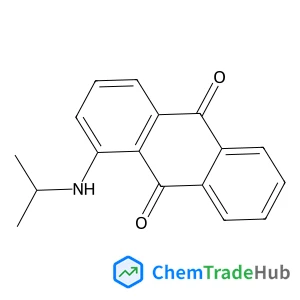
1-(Isopropylamino)-9,10-anthraquinone
CAS Number: 27354-18-3
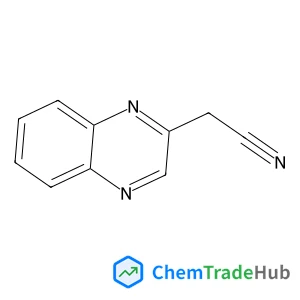
2-(quinoxalin-2-yl)acetonitrile
CAS Number: 14068-13-4
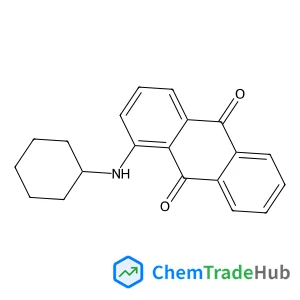
1-(Cyclohexylamino)-9,10-anthraquinone
CAS Number: 71832-19-4
Other Suppliers for Danthron (1,8-Dihydroxyanthraquinone)





Basic Information
Molecular Formula
C14H8O4
Molecular Weight
240.21 g/mol
Physical State
Orange powder
Physical Properties
Melting Point
191-193 °C (lit.)
Boiling Point
452.7°C at 760 mmHg
Flash Point
241.7℃
Chemical Identifiers
SMILES
C1=CC2=C(C(=C1)O)C(=O)C3=C(C2=O)C=CC=C3O
InChIKey
QBPFLULOKWLNNW-UHFFFAOYSA-N
Database References
MDL Number
MFCD00001211
Beilstein Registry Number
2054727
FAQ
Danthron, also known as 1,8-Dihydroxyanthraquinone, is an organic compound with the chemical formula C14H10O4. It is a yellow crystalline solid that is insoluble in water but soluble in organic solvents. Danthron is characterized by its anthraquinone ring system with hydroxyl groups at the 1 and 8 positions, making it a common intermediate in the synthesis of various dyes and pharmaceuticals.
Danthron is primarily used in the production of dyes, particularly as a precursor for anthraquinone-based compounds. It also finds applications in pharmaceutical research, where it is used as a fluorescent probe and in the development of drugs. Additionally, it is employed in industrial processes and as a reagent in laboratory research for chemical analysis and synthesis.
Danthron is generally considered safe when handled properly, but it may have potential health risks if inhaled or ingested. Safety measures include wearing protective gloves, goggles, and clothing. It is classified as a possible human carcinogen (IARC Group 3), so adherence to safety standards and proper ventilation is recommended when working with this compound.
Danthron should be stored in a cool, dry, and dark place to maintain its stability. It is typically kept in a sealed container to prevent moisture absorption. Storage at temperatures below 25°C is recommended, and it should be protected from light to avoid degradation. Avoid exposure to air and keep away from incompatible substances.
Safety Notice
Please verify product specifications and safety data before use. Contact the supplier for detailed safety information.
Always follow proper handling procedures
Contact Information
Contact Person
Wu Fei
info@dadi-biotech.com