



AD
3-Chloropropiophenone(CAS: 936-59-4)
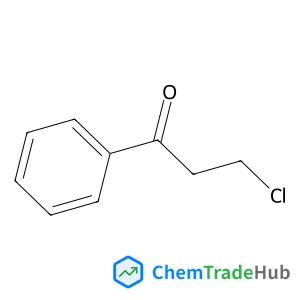
CAS Number
Related Products
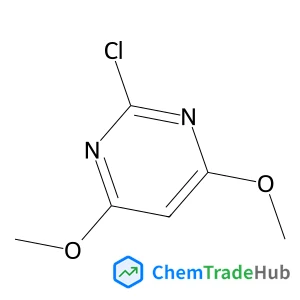
2-Chloro-4,6-dimethoxypyrimidine
CAS Number: 13223-25-1
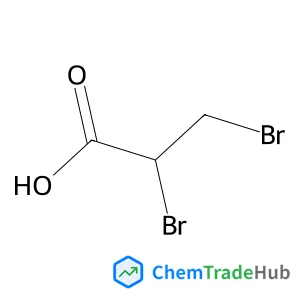
2,3-dibromopropanoic acid
CAS Number: 600-05-5
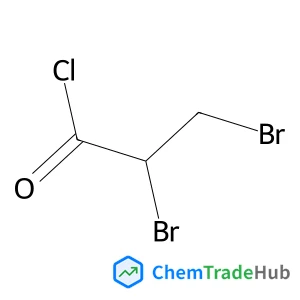
2,3-Dibromopropanoyl chloride
CAS Number: 18791-02-1
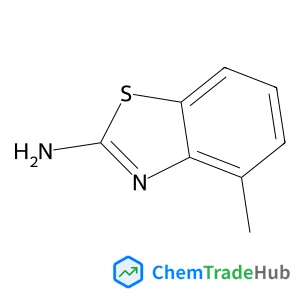
4-Methyl-1,3-benzothiazol-2-amine
CAS Number: 1477-42-5
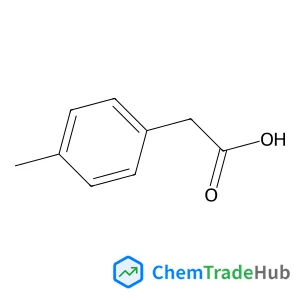
(4-Methylphenyl)acetic acid
CAS Number: 622-47-9
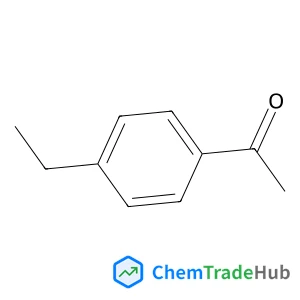
4-Ethylacetophenone
CAS Number: 937-30-4
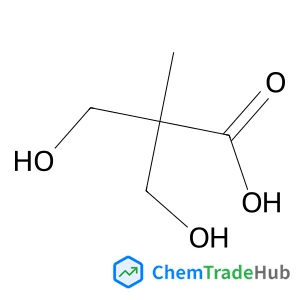
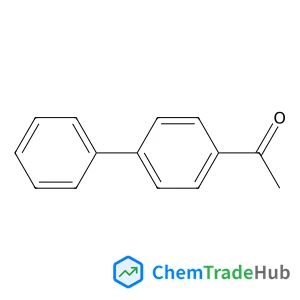
4-Acetylbiphenyl
CAS Number: 92-91-1
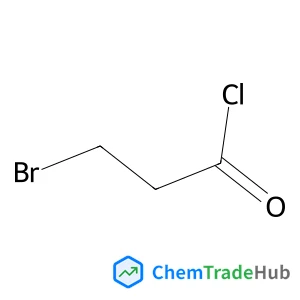
3-Bromopropanoyl chloride
CAS Number: 15486-96-1
Other Suppliers for 3-Chloropropiophenone






Basic Information
Molecular Formula
C9H9ClO
Molecular Weight
168.62 g/mol
Physical Properties
Melting Point
46.0 to 50.0 deg-C
Boiling Point
147°C/14mmHg(lit.)
Density
1.1115 (rough estimate)
Chemical Identifiers
SMILES
C1=CC=C(C=C1)C(=O)CCCl
InChIKey
KTJRGPZVSKWRTJ-UHFFFAOYSA-N
Database References
MDL Number
MFCD00000990
Beilstein Registry Number
2043580
FAQ
3-Chloropropiophenone (CAS: 936-59-4) is an organic compound with the chemical formula C9H9ClO. It is a colorless liquid with a sweet, ether-like odor, commonly used as an acyl chloride. The compound exhibits reactivity with water and amines, and its structure includes a chloro group attached to the propiophenone backbone.
3-Chloropropiophenone (CAS: 936-59-4) serves as a key intermediate in pharmaceutical synthesis, particularly for anticholinesterase drugs. It is also utilized in pesticide production, organic research, and industrial applications. Its reactivity makes it valuable for creating derivatives in chemical manufacturing processes.
3-Chloropropiophenone (CAS: 936-59-4) is toxic and requires careful handling. It may cause skin irritation, respiratory issues, and eye damage upon exposure. Safety measures include using personal protective equipment (PPE), ensuring proper ventilation, and adhering to OSHA guidelines. It is a regulated substance due to its potential for misuse and environmental impact.
3-Chloropropiophenone (CAS: 936-59-4) should be stored in a sealed, cool (below 25°C), and dry container, away from light. It is hygroscopic and reactive to moisture, so desiccants and inert gas (e.g., nitrogen) may be used. Avoid storage near incompatible materials like amines or water, and ensure proper labeling for safe handling.
Safety Notice
Please verify product specifications and safety data before use. Contact the supplier for detailed safety information.
Always follow proper handling procedures
Contact Information
Contact Person
Mr. Wang