AD
3,4-Dihydro-2H-pyran-6-carboxylic acid(CAS: 31518-14-6)
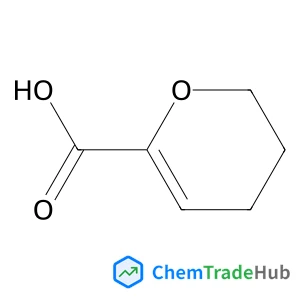
CAS Number
Related Products
![(2R)-2,7,8-Trimethyl-2-[(4R,8R)-4,8,12-trimethyltridecyl]-6-chromanol](https://static.chemtradehub.com/structs/54-/54-28-4-155c.webp)
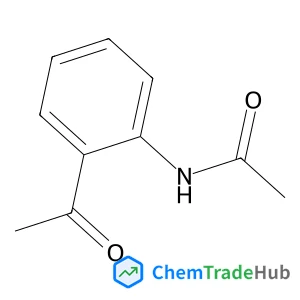
N-(2-Acetylphenyl)acetamide
CAS Number: 5234-26-4
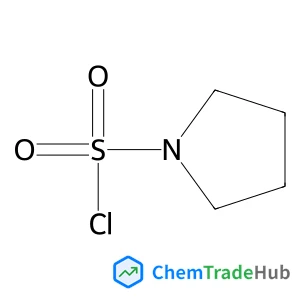
1-Pyrrolidinesulfonyl chloride
CAS Number: 1689-02-7
![3-Hexyl-2-[3-(3-hexyl-1,3-benzoxazol-2(3H)-ylidene)-1-propen-1-yl]-1,3-benzoxazol-3-ium iodide](https://static.chemtradehub.com/structs/532/53213-82-4-e483.webp)
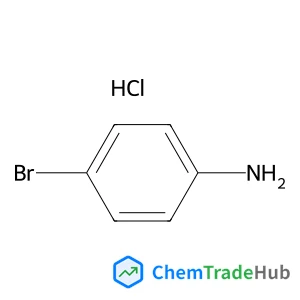
4-Bromoaniline hydrochloride (1:1)
CAS Number: 624-19-1
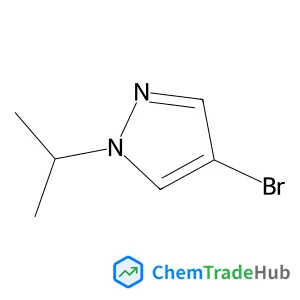
4-Bromo-1-isopropyl-1H-pyrazole
CAS Number: 313735-62-5
Other Suppliers for 3,4-Dihydro-2H-pyran-6-carboxylic acid









Basic Information
Molecular Formula
C6H8O3
Molecular Weight
128.13 g/mol
Physical Properties
Boiling Point
271.4±29.0 ºC (760 Torr),
Flash Point
119.1±17.8 ºC,
Chemical Identifiers
SMILES
C1CC=C(OC1)C(=O)O
InChIKey
OXUPSEKWDOSMIN-UHFFFAOYSA-N
Database References
MDL Number
MFCD08437234
FAQ
3,4-Dihydro-2H-pyran-6-carboxylic acid (CAS: 31518-14-6) falls under the scope of the REACH regulation in Europe, which requires registration of chemicals based on their tonnage and risk. It also adheres to GHS (Globally Harmonized System of Classification and Labeling of Chemicals) standards for hazardous chemical classification. In the U.S., the EPA regulates its environmental impact, while the FDA may oversee its use in pharmaceuticals. Ensure compliance with local and international regulations for its manufacture, import, and disposal.
Several alternatives to 3,4-Dihydro-2H-pyran-6-carboxylic acid (CAS: 31518-14-6) exist in chemical synthesis, such as other carboxylic acids, pyrano[2,3-d]pyran derivatives, and related compounds. Isomers and analogs can be used depending on the specific requirements of the synthesis. Common alternatives include 4-hydroxy-3,4-dihydro-2H-pyran-6-carboxylic acid and 3,4-dihydro-2H-pyran-4,6-dicarboxylic acid, which can provide similar functionalities with varying reactivity and solubility.
The market for 3,4-Dihydro-2H-pyran-6-carboxylic acid (CAS: 31518-14-6) is growing due to its applications in pharmaceuticals, cosmetics, and agrochemicals. Research trends focus on its use as a building block for synthesizing complex molecules and its potential in biodegradable polymers. The increasing demand for sustainable chemicals and the exploration of new synthetic routes are key trends driving its market growth. However, market fluctuations can be influenced by supply chain disruptions and regulatory changes.
Waste containing 3,4-Dihydro-2H-pyran-6-carboxylic acid (CAS: 31518-14-6) should be collected in properly labeled containers and stored in a safe, dry area away from incompatible materials. For disposal, contact a professional waste management service for incineration or chemical treatment to neutralize any hazardous properties. Ensure that all disposal methods comply with local and international environmental regulations to prevent pollution and protect public health.
Safety Notice
Please verify product specifications and safety data before use. Contact the supplier for detailed safety information.
Always follow proper handling procedures