AD
3-Methyl 1-(2-methyl-2-propanyl) (3S)-1,3-piperazinedicarboxylate(CAS: 314741-39-4)
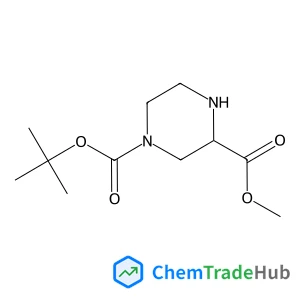
CAS Number
Related Products
![(2R)-2,7,8-Trimethyl-2-[(4R,8R)-4,8,12-trimethyltridecyl]-6-chromanol](https://static.chemtradehub.com/structs/54-/54-28-4-155c.webp)
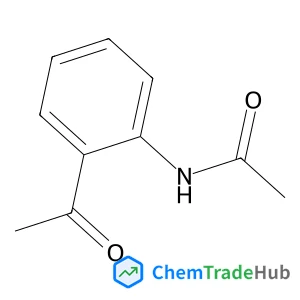
N-(2-Acetylphenyl)acetamide
CAS Number: 5234-26-4
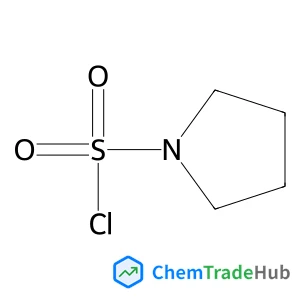
1-Pyrrolidinesulfonyl chloride
CAS Number: 1689-02-7
![3-Hexyl-2-[3-(3-hexyl-1,3-benzoxazol-2(3H)-ylidene)-1-propen-1-yl]-1,3-benzoxazol-3-ium iodide](https://static.chemtradehub.com/structs/532/53213-82-4-e483.webp)
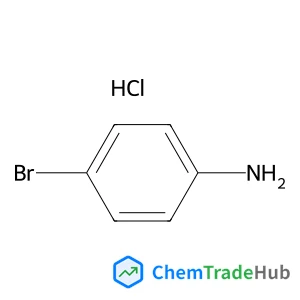
4-Bromoaniline hydrochloride (1:1)
CAS Number: 624-19-1
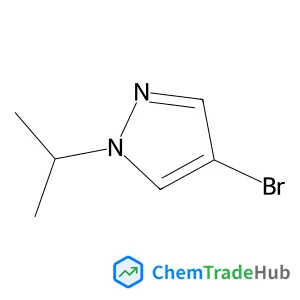
4-Bromo-1-isopropyl-1H-pyrazole
CAS Number: 313735-62-5
Other Suppliers for 3-Methyl 1-(2-methyl-2-propanyl) (3S)-1,3-piperazinedicarboxylate







Basic Information
Molecular Formula
C11H20N2O4
Molecular Weight
244.29 g/mol
Physical State
White to Yellow Solid
Physical Properties
Boiling Point
321.3°C at 760 mmHg
Density
1.118
Flash Point
148.1°C
Chemical Identifiers
SMILES
CC(C)(C)OC(=O)N1CCNC(C1)C(=O)OC
InChIKey
QUKAHFCVKNRRBU-QMMMGPOBSA-N
Database References
MDL Number
MFCD04115326
FAQ
This compound falls under various regulatory guidelines, including GHS classification for its physical and health hazards. It is also subject to REACH regulations in the European Union, requiring suppliers to register the substance if it is manufactured or imported. In the USA, the FDA and EPA may have specific requirements for its use and disposal, especially if it is used in pharmaceuticals or chemicals regulated under environmental standards.
Several alternatives can be used in the synthesis of this compound, such as other piperazinedicarboxylates with different substituents. For instance, 3-Methyl 1-(2-methyl-2-propanyl)piperazine-1,4-dicarboxylate or similar isomers can serve as effective substitutes, depending on the specific reaction conditions and desired properties.
The market for this compound shows steady growth, driven by its applications in pharmaceuticals and as a building block in organic synthesis. Research trends indicate a focus on developing its use in new drug candidates and polymer synthesis. The compound’s unique properties make it a valuable intermediate in several industrial processes, leading to increased demand and ongoing research into its applications.
Waste containing this compound should be collected in appropriate containers and stored away from ignition sources to prevent any potential fire hazards. It should be disposed of through professional waste disposal services that comply with local regulations. Environmental precautions include ensuring proper containment to prevent soil or water contamination. Safe incineration or other environmentally friendly disposal methods should be employed to ensure the compound is handled responsibly.
Safety Notice
Please verify product specifications and safety data before use. Contact the supplier for detailed safety information.
Always follow proper handling procedures