



AD
2-Chloro-6-methyl-4-pyridinamine(CAS: 79055-63-3)
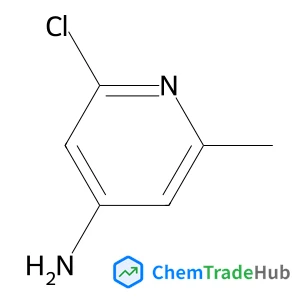
CAS Number
Related Products
![(2R)-2,7,8-Trimethyl-2-[(4R,8R)-4,8,12-trimethyltridecyl]-6-chromanol](https://static.chemtradehub.com/structs/54-/54-28-4-155c.webp)
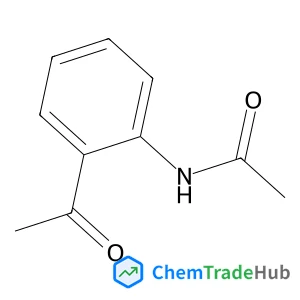
N-(2-Acetylphenyl)acetamide
CAS Number: 5234-26-4
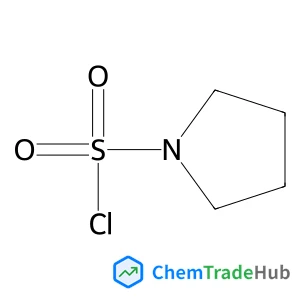
1-Pyrrolidinesulfonyl chloride
CAS Number: 1689-02-7
![3-Hexyl-2-[3-(3-hexyl-1,3-benzoxazol-2(3H)-ylidene)-1-propen-1-yl]-1,3-benzoxazol-3-ium iodide](https://static.chemtradehub.com/structs/532/53213-82-4-e483.webp)
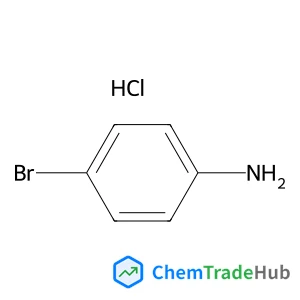
4-Bromoaniline hydrochloride (1:1)
CAS Number: 624-19-1
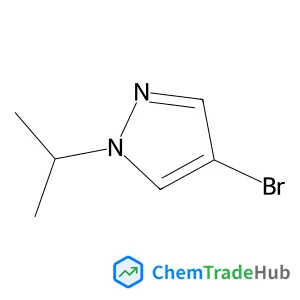
4-Bromo-1-isopropyl-1H-pyrazole
CAS Number: 313735-62-5
Other Suppliers for 2-Chloro-6-methyl-4-pyridinamine




Basic Information
Molecular Formula
C6H7ClN2
Molecular Weight
142.59 g/mol
Physical Properties
Melting Point
155-157 ºC
Density
1.260
Chemical Identifiers
SMILES
CC1=CC(=CC(=N1)Cl)N
InChIKey
OCAAOWXXYDTPKA-UHFFFAOYSA-N
Database References
MDL Number
MFCD00235132
FAQ
2-Chloro-6-methyl-4-pyridinamine (CAS: 79055-63-3) falls under the Hazardous Substances Directive (HSD) and the Classification, Labelling and Packaging (CLP) regulation in the EU. It is classified as a skin and eye irritant. For the USA, it is regulated under the Occupational Safety and Health Administration (OSHA) and the Environmental Protection Agency (EPA). The compound is also listed under the REACH regulation, which requires registration of substances above 1 tonne per year. Compliance with these regulations is essential for handling and storage.
There are alternatives to 2-Chloro-6-methyl-4-pyridinamine (CAS: 79055-63-3) in synthesis, such as 4-Chloro-2-methylpyridine and 2-Amino-6-chloropyridine. These compounds can be used as precursors or alternatives depending on the specific application. However, the choice of alternative should be based on the desired chemical properties and synthesis feasibility.
2-Chloro-6-methyl-4-pyridinamine (CAS: 79055-63-3) is primarily used in the pharmaceutical and agrochemical industries. Research trends indicate increasing focus on its use as a building block for drug development and pesticide synthesis. Market trends show steady demand, with price stability and consistent supply. Emerging research is exploring its applications in novel drug discovery and more environmentally friendly pest control solutions.
Waste containing 2-Chloro-6-methyl-4-pyridinamine (CAS: 79055-63-3) should be collected in appropriate containers and stored under controlled conditions for recycling or disposal. Incineration is a common method for disposal, but it must be conducted in facilities that meet environmental standards. Alternatively, professional waste disposal services using safe and environmentally friendly methods should be utilized. Proper precautions include wearing appropriate personal protective equipment (PPE) and following local and international waste management regulations.
Safety Notice
Please verify product specifications and safety data before use. Contact the supplier for detailed safety information.
Always follow proper handling procedures
