AD
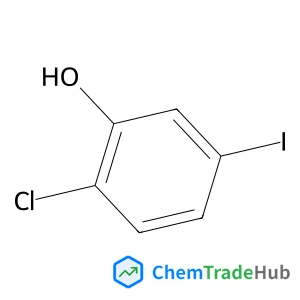
2-Chloro-5-iodophenol(CAS: 289039-26-5)
CAS Number
Related Products
![(2R)-2,7,8-Trimethyl-2-[(4R,8R)-4,8,12-trimethyltridecyl]-6-chromanol](https://static.chemtradehub.com/structs/54-/54-28-4-155c.webp)
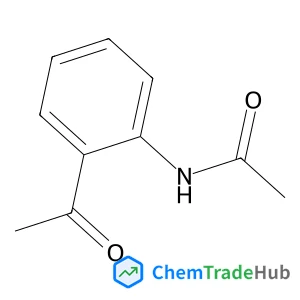
N-(2-Acetylphenyl)acetamide
CAS Number: 5234-26-4
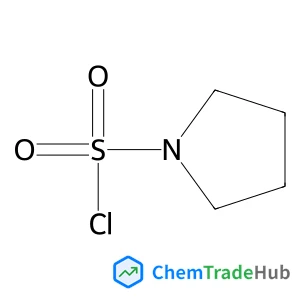
1-Pyrrolidinesulfonyl chloride
CAS Number: 1689-02-7
![3-Hexyl-2-[3-(3-hexyl-1,3-benzoxazol-2(3H)-ylidene)-1-propen-1-yl]-1,3-benzoxazol-3-ium iodide](https://static.chemtradehub.com/structs/532/53213-82-4-e483.webp)
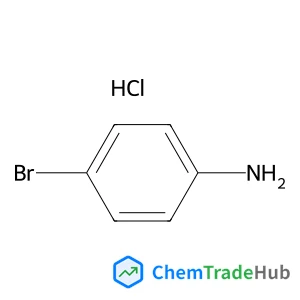
4-Bromoaniline hydrochloride (1:1)
CAS Number: 624-19-1
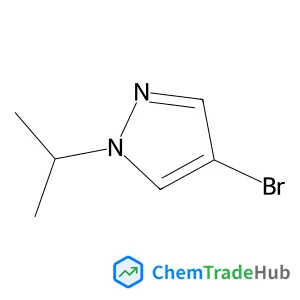
4-Bromo-1-isopropyl-1H-pyrazole
CAS Number: 313735-62-5
Other Suppliers for 2-Chloro-5-iodophenol







Basic Information
Molecular Formula
C6H4ClIO
Molecular Weight
254.45 g/mol
Physical Properties
Boiling Point
277.6°C at 760 mmHg
Chemical Identifiers
SMILES
C1=CC(=C(C=C1I)O)Cl
InChIKey
NNZXUSFOILSDCS-UHFFFAOYSA-N
Database References
MDL Number
MFCD00672969
FAQ
2-Chloro-5-iodophenol (CAS: 289039-26-5) falls under multiple regulatory guidelines due to its chemical composition. It is classified under the Globally Harmonized System (GHS) as a hazardous chemical due to its corrosive and toxic properties. In terms of European legislation, it is regulated under REACH for its potential environmental and health impacts. Additionally, FDA and EPA guidelines may apply for its use in pharmaceutical and industrial applications, focusing on safety, storage, and disposal.
There are alternatives to 2-Chloro-5-iodophenol (CAS: 289039-26-5) in synthesis depending on the specific application. For example, 2-Iodo-5-fluorophenol can serve as an alternative due to its similar structural properties. Other substitutes include 2-Chlorophenol and 5-Iodophenol, which can be used in different contexts. The choice of alternative depends on the desired reactivity and the specific synthesis requirements.
The market for 2-Chloro-5-iodophenol (CAS: 289039-26-5) is driven by its applications in pharmaceuticals, pesticides, and research. Recent trends indicate an increasing interest in its use as a precursor in the synthesis of other compounds. Research is also evolving towards understanding its role in various chemical reactions and its potential in advanced materials. However, its limited availability and strict regulatory requirements pose challenges to its market expansion.
Waste containing 2-Chloro-5-iodophenol (CAS: 289039-26-5) should be handled with care due to its hazardous nature. Proper waste collection should occur in sealed, labeled containers. For disposal, it is recommended to use professional waste disposal services that comply with local and international regulations. Incineration may be used, but it must be done in an enclosed and controlled environment to prevent environmental contamination. Additionally, any environmental protection measures, such as neutralizing the waste, should be taken to minimize ecological impact.
Safety Notice
Please verify product specifications and safety data before use. Contact the supplier for detailed safety information.
Always follow proper handling procedures