



AD
(2E)-3-(2-Chlorophenyl)acrylaldehyde(CAS: 138555-57-4)
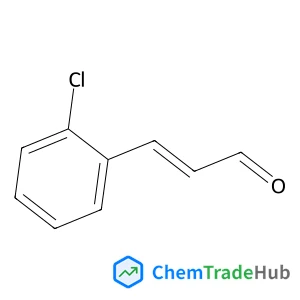
CAS Number
Related Products
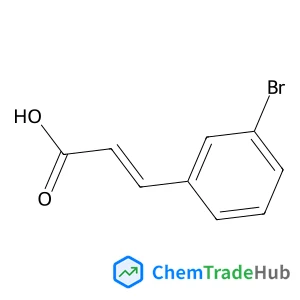
3-(3-Bromophenyl)acrylic acid
CAS Number: 32862-97-8
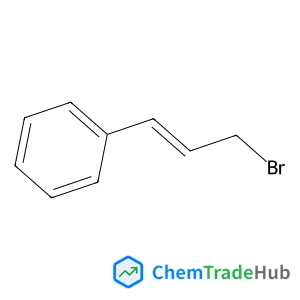
(3-bromoprop-1-en-1-yl)benzene
CAS Number: 4392-24-9
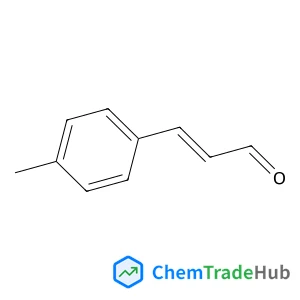
(2E)-3-(4-Methylphenyl)acrylaldehyde
CAS Number: 56578-35-9
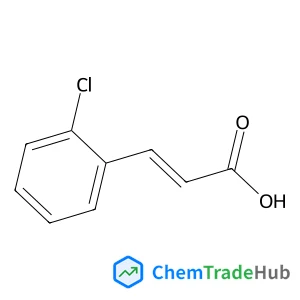
3-(2-Chlorophenyl)acrylic acid
CAS Number: 3752-25-8
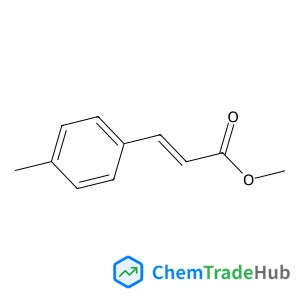
Methyl (2E)-3-(4-methylphenyl)acrylate
CAS Number: 20754-20-5
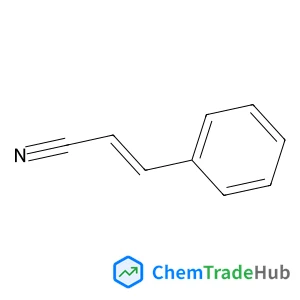
(2E)-3-Phenylacrylonitrile
CAS Number: 1885-38-7
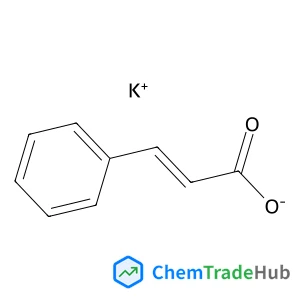
Potassium (2E)-3-phenylacrylate
CAS Number: 16089-48-8
![3-[3-(Trifluoromethyl)phenyl]acrylic acid](https://static.chemtradehub.com/structs/779/779-89-5-a54b.webp)
Other Suppliers for (2E)-3-(2-Chlorophenyl)acrylaldehyde







Basic Information
Molecular Formula
C9H7ClO
Molecular Weight
166.61 g/mol
Physical Properties
Boiling Point
286.8°C at 760 mmHg
Density
1.192
Flash Point
133.2°C
Chemical Identifiers
SMILES
C1=CC=C(C(=C1)C=CC=O)Cl
InChIKey
HGBCDXOKFIDHNS-HWKANZROSA-N
Database References
MDL Number
MFCD01191267
FAQ
Regulatory guidelines for (2E)-3-(2-Chlorophenyl)acrylaldehyde (CAS: 138555-57-4) include GHS classification, which categorizes it as a skin and eye irritant. It is also subject to REACH regulations, requiring suppliers to register and report the substance's properties and uses. Additionally, FDA and EPA may have specific requirements for its use in the United States, such as labeling and reporting of significant uses.
There are several alternatives to (2E)-3-(2-Chlorophenyl)acrylaldehyde in synthesis, such as 3-(2-Chlorophenyl)acrolein or other acrylaldehydes with different substituents. These alternatives can serve similar functions in chemical reactions and may offer advantages in terms of reactivity or environmental impact.
The market for (2E)-3-(2-Chlorophenyl)acrylaldehyde is growing due to its applications in the production of dyes and pharmaceuticals. Research trends focus on its use as a precursor in organic synthesis and its potential as a biodegradable material. The declining trend in its use might be influenced by stricter environmental regulations and the development of more sustainable alternatives.
Waste containing (2E)-3-(2-Chlorophenyl)acrylaldehyde should be collected in appropriate containers and disposed of through incineration or professional waste disposal services. Environmental protection precautions include ensuring proper containment to prevent spills and the use of suitable personal protective equipment. Disposal should comply with local and national regulations to minimize environmental impact.
Safety Notice
Please verify product specifications and safety data before use. Contact the supplier for detailed safety information.
Always follow proper handling procedures
Contact Information
Contact Person
Zhong Shuyang
819164445@qq.com