



AD
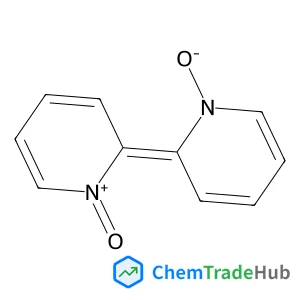
2-(1-Oxo-2(1H)-pyridiniumylidene)-1(2H)-pyridinolate(CAS: 7275-43-6)
CAS Number
Related Products
![(2R)-2,7,8-Trimethyl-2-[(4R,8R)-4,8,12-trimethyltridecyl]-6-chromanol](https://static.chemtradehub.com/structs/54-/54-28-4-155c.webp)
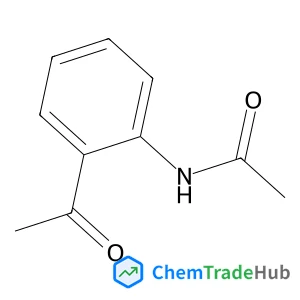
N-(2-Acetylphenyl)acetamide
CAS Number: 5234-26-4
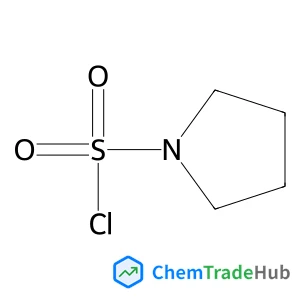
1-Pyrrolidinesulfonyl chloride
CAS Number: 1689-02-7
![3-Hexyl-2-[3-(3-hexyl-1,3-benzoxazol-2(3H)-ylidene)-1-propen-1-yl]-1,3-benzoxazol-3-ium iodide](https://static.chemtradehub.com/structs/532/53213-82-4-e483.webp)
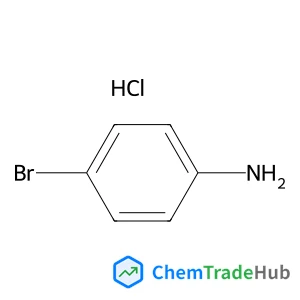
4-Bromoaniline hydrochloride (1:1)
CAS Number: 624-19-1
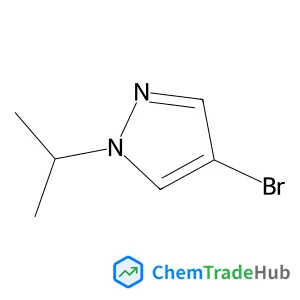
4-Bromo-1-isopropyl-1H-pyrazole
CAS Number: 313735-62-5
Other Suppliers for 2-(1-Oxo-2(1H)-pyridiniumylidene)-1(2H)-pyridinolate



Basic Information
Molecular Formula
C10H8N2O2
Molecular Weight
188.18 g/mol
Physical Properties
Melting Point
311°C(lit.)
Boiling Point
323.18°C (rough estimate)
Density
1.2577 (rough estimate)
Chemical Identifiers
SMILES
C1=CC(=C2C=CC=C[N+]2=O)N(C=C1)[O-]
InChIKey
FERMVCULDZOVOJ-UHFFFAOYSA-N
Database References
MDL Number
MFCD00065169
FAQ
2-(1-Oxo-2(1H)-pyridiniumylidene)-1(2H)-pyridinolate (CAS: 7275-43-6) is subject to regulatory guidelines such as GHS classification for hazardous materials. In the EU, it must comply with the REACH regulations. For the U.S., FDA and EPA have specific requirements for the handling and disposal of this compound. Manufacturers must ensure compliance with these regulations to avoid legal and environmental risks.
While 2-(1-Oxo-2(1H)-pyridiniumylidene)-1(2H)-pyridinolate (CAS: 7275-43-6) is a specific compound, there are alternative reagents that can be used in similar reactions. For example, pyridine derivatives or other organopyridinium compounds can serve as alternatives depending on the specific reaction conditions and desired product. These alternatives can offer similar functionality with varying reactivity and solubility.
The market for 2-(1-Oxo-2(1H)-pyridiniumylidene)-1(2H)-pyridinolate (CAS: 7275-43-6) is currently growing due to its applications in catalysis and organic synthesis. Research trends are focused on understanding its reactivity and exploring its use in the development of new synthetic methods. However, due to its potential toxicity, there is also an increased interest in safer alternatives and sustainable processes.
Waste containing 2-(1-Oxo-2(1H)-pyridiniumylidene)-1(2H)-pyridinolate (CAS: 7275-43-6) should be collected in sealed, labeled containers and disposed of as hazardous waste. Incineration is a common method of disposal, but professional waste disposal services should be used to ensure compliance with local regulations. Proper handling and disposal methods should be followed to minimize environmental impact and ensure safety.
Safety Notice
Please verify product specifications and safety data before use. Contact the supplier for detailed safety information.
Always follow proper handling procedures
