



AD
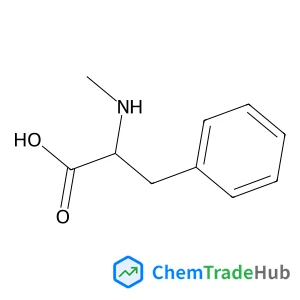
N-Methylphenylalanine(CAS: 2566-30-5)
CAS Number
Related Products
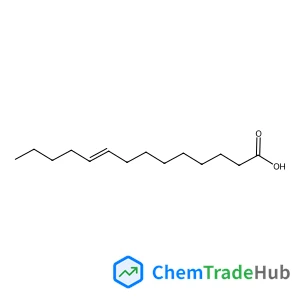
(9Z)-9-Tetradecenoic acid
CAS Number: 544-64-9
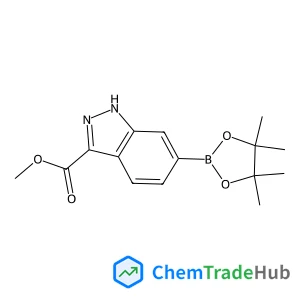
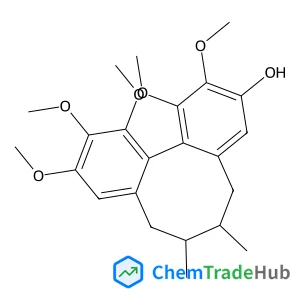
Gomisin K1
CAS Number: 75629-20-8
![2-Methyl-2-propanyl (1R,5R)-5-hydroxy-3-azabicyclo[4.1.0]heptane-3-carboxylate](https://static.chemtradehub.com/structs/230/2305079-71-2-b0dc.webp)
![2-Oxa-7-azaspiro[3.5]nonane acetate (1:1)](https://static.chemtradehub.com/structs/131/1313369-52-6-2eb1.webp)
![4-Nitrophenyl N-[(benzyloxy)carbonyl]-D-phenylalaninate](https://static.chemtradehub.com/structs/257/2578-85-0-6c76.webp)
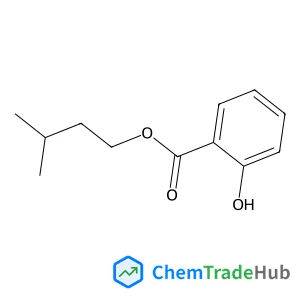
3-Methylbutyl salicylate
CAS Number: 87-20-7
![4-{[4-(4-Chlorophenyl)-1,3-thiazol-2-yl]amino}phenol hydrochloride (1:1)](https://static.chemtradehub.com/structs/117/1177741-83-1-b09e.webp)
![2-[4-(5-Amino-2-pyridinyl)-1-piperazinyl]-1-ethanol](https://static.chemtradehub.com/structs/101/1017221-34-9-ca8d.webp)
Other Suppliers for N-Methylphenylalanine





Basic Information
Molecular Formula
C10H13NO2
Molecular Weight
179.22 g/mol
Chemical Identifiers
SMILES
CNC(CC1=CC=CC=C1)C(=O)O
InChIKey
SCIFESDRCALIIM-VIFPVBQESA-N
Database References
MDL Number
MFCD00037757
FAQ
N-Methylphenylalanine (CAS: 2566-30-5) falls under the scope of the Globally Harmonized System of Classification and Labelling of Chemicals (GHS) and is classified as a flammable solid. In the European Union, it is regulated under the REACH (Registration, Evaluation, Authorisation and Restriction of Chemicals) regulation. Additionally, the Food and Drug Administration (FDA) and Environmental Protection Agency (EPA) may have specific requirements for its handling and disposal in the context of pharmaceutical and environmental applications.
N-Methylphenylalanine (CAS: 2566-30-5) can be synthesized as an alternative to other amino acids like phenylalanine, which can be used in the preparation of various pharmaceuticals and biologically active compounds. Common alternatives include N-Methyltryptophan and N-Methyltyrosine, which can be used in similar applications and serve as useful building blocks in organic synthesis.
The market for N-Methylphenylalanine (CAS: 2566-30-5) is growing due to its applications in pharmaceuticals, where it serves as a precursor for the synthesis of various drugs and biologically active compounds. Research trends focus on its use in drug development, particularly in the field of neurodegenerative diseases, as well as in the production of natural products and bioactive molecules. Additionally, there is increasing interest in its use in dietary supplements and nutraceuticals.
Waste containing N-Methylphenylalanine (CAS: 2566-30-5) should be collected in sealed containers and properly labeled. It is recommended to dispose of it through professional waste disposal services that specialize in organic waste. Environmental protection precautions include ensuring that waste is handled in a way that minimizes environmental impact, and incineration is a common method for disposal. Compliance with local and national regulations is essential to ensure safe and sustainable waste management practices.
Safety Notice
Please verify product specifications and safety data before use. Contact the supplier for detailed safety information.
Always follow proper handling procedures
Contact Information
chenling@zzstandard.com