



AD
1,4-Butanediyl bisacrylate(CAS: 1070-70-8)
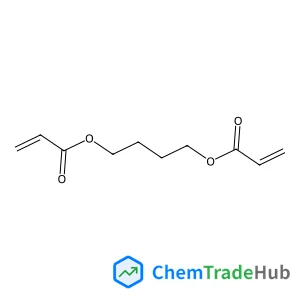
CAS Number
Related Products
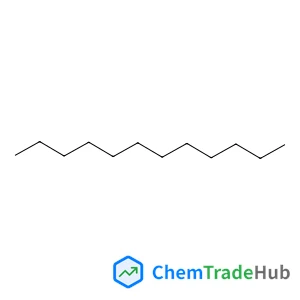
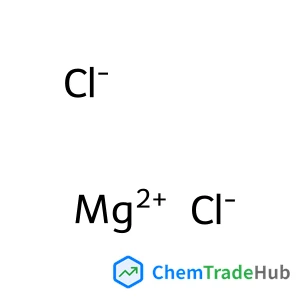
Magnesium dichloride
CAS Number: 7786-30-3
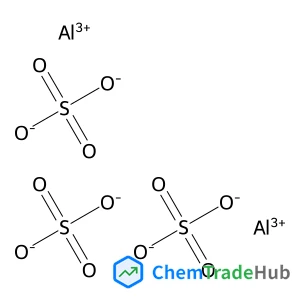
Aluminium sulfate (2:3)
CAS Number: 10043-01-3
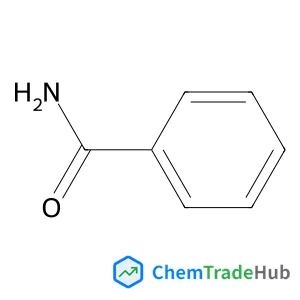
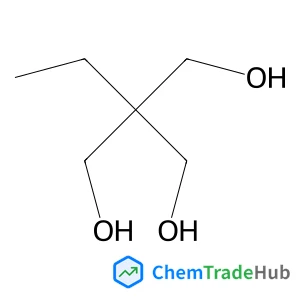
2-Ethyl-2-(hydroxymethyl)-1,3-propanediol
CAS Number: 77-99-6
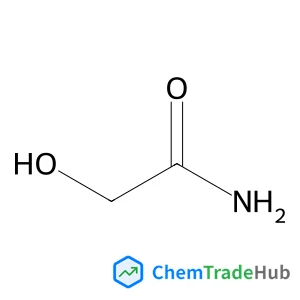
2-Hydroxyacetamide
CAS Number: 598-42-5
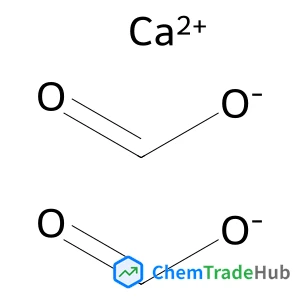
Calcium diformate
CAS Number: 544-17-2
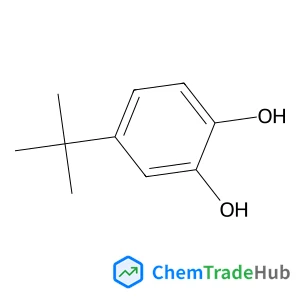
4-(2-Methyl-2-propanyl)-1,2-benzenediol
CAS Number: 98-29-3
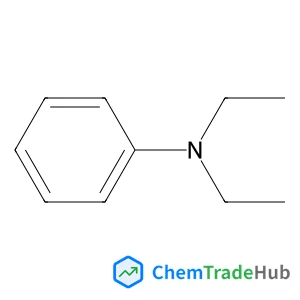
N,N-Diethylaniline
CAS Number: 91-66-7
Other Suppliers for 1,4-Butanediyl bisacrylate




Basic Information
Molecular Formula
C10H14O4
Molecular Weight
198.22 g/mol
Physical Properties
Melting Point
-7°C
Boiling Point
138°C/13mmHg(lit.)
Water Solubility
Immiscible with water.
Chemical Identifiers
SMILES
C=CC(=O)OCCCCOC(=O)C=C
InChIKey
JHWGFJBTMHEZME-UHFFFAOYSA-N
Database References
MDL Number
MFCD00014940
Beilstein Registry Number
1777487
FAQ
The physical and chemical properties of 1,4-Butanediyl bisacrylate include a molecular weight of approximately 160.22 g/mol. It is a colorless, crystalline solid with a low melting point of around 52°C. This compound is moderately soluble in common organic solvents such as acetone and toluene but is insoluble in water. It exhibits excellent reactivity due to its acrylate groups, making it suitable for polymerization processes.
1,4-Butanediyl bisacrylate is commonly synthesized via the acrylation of 1,4-butanediol. The process typically involves the reaction of 1,4-butanediol with acryloyl chloride under anhydrous conditions in the presence of a base like triethylamine. The reaction is conducted at room temperature or slightly elevated temperatures to ensure selectivity and yield of the bisacrylate product.
1,4-Butanediyl bisacrylate is widely used in the polymer industry, particularly in the production of acrylic resins and coatings. It is also utilized in the manufacturing of adhesives, sealants, and pressure-sensitive tapes. This compound is also found in specialized applications such as sensors and semiconductor materials, where its reactivity and stability are advantageous.
When handling 1,4-Butanediyl bisacrylate, it is essential to wear appropriate personal protective equipment (PPE) including gloves, safety goggles, and chemical-resistant clothing. Work should be conducted in a well-ventilated area or a fume hood to prevent inhalation of vapors. Spills should be cleaned up using appropriate absorbent materials, and the area should be flushed with water. Always consult the safety data sheet (SDS) for detailed handling and disposal information.
Safety Notice
Please verify product specifications and safety data before use. Contact the supplier for detailed safety information.
Always follow proper handling procedures
Contact Information
Contact Person
Yunfang Ren
175206433@QQ.COM