



AD
N-alpha-Methyl-L-lysine hydrochloride(CAS: 7431-89-2)
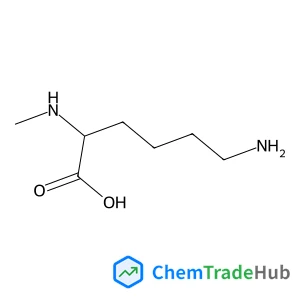
CAS Number
Related Products
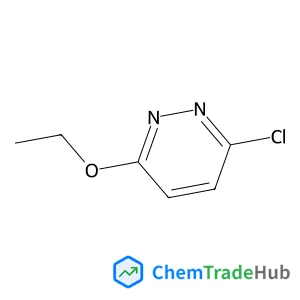
3-Chloro-6-ethoxypyridazine
CAS Number: 17321-20-9
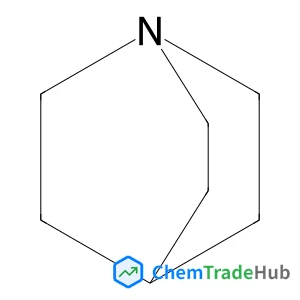
Quinuclidine
CAS Number: 100-76-5
![(1S,2S,3R,4S,6R)-4,6-Diamino-3-({(2R,3R,6S)-3-amino-6-[(1S)-1-(methylamino)ethyl]tetrahydro-2H-pyran-2-yl}oxy)-2-hydroxycyclohexyl 3-deoxy-4-C-methyl-3-(methylamino)-beta-L-arabinopyranoside](https://static.chemtradehub.com/structs/140/1403-66-3-b0c2.webp)
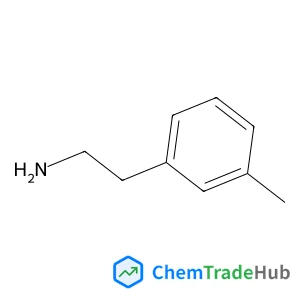
2-(3-Methylphenyl)ethanamine
CAS Number: 55755-17-4
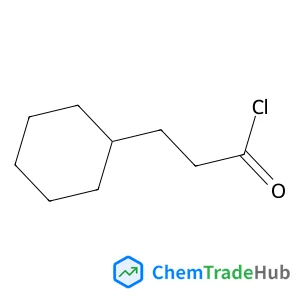
3-Cyclohexylpropanoyl chloride
CAS Number: 39098-75-4
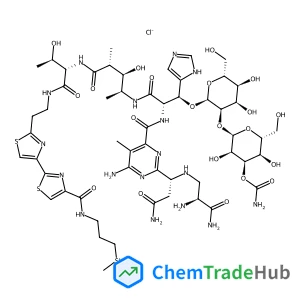
Bleomycin hydrochloride
CAS Number: 67763-87-5
![Sodium acetyl[(4-aminophenyl)sulfonyl]azanide hydrate (1:1:1)](https://static.chemtradehub.com/structs/620/6209-17-2-8e0a.webp)
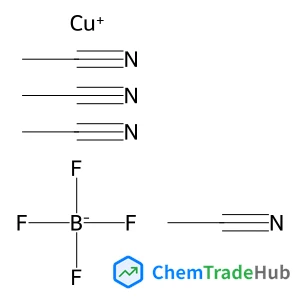
Other Suppliers for N-alpha-Methyl-L-lysine hydrochloride








Basic Information
Molecular Formula
C7H16N2O2
Molecular Weight
160.21 g/mol
Physical Properties
Melting Point
240 ºC
Boiling Point
292.1±35.0 ºC (760 Torr),
Density
1.056±0.06 g/cm3 (20 ºC 760 Torr),
Flash Point
130.5±25.9 ºC,
Chemical Identifiers
SMILES
CNC(CCCCN)C(=O)O
InChIKey
OLYPWXRMOFUVGH-LURJTMIESA-N
Database References
MDL Number
MFCD00672351
FAQ
N-alpha-Methyl-L-lysine hydrochloride (CAS: 7431-89-2) falls under several regulatory guidelines including the Globally Harmonized System of Classification and Labeling of Chemicals (GHS), which categorizes it based on its hazardous properties. In the European Union, it is regulated under REACH, requiring manufacturers and importers to register substances of more than one tonne per year. The U.S. Environmental Protection Agency (EPA) and the Food and Drug Administration (FDA) may also have specific requirements for its handling and use, particularly in the context of food additives or pharmaceuticals.
N-alpha-Methyl-L-lysine hydrochloride (CAS: 7431-89-2) can be synthesized as an alternative to other amino acids or lysine derivatives. Commonly, chemists may use L-lysine hydrochloride as a precursor or explore analogs such as N-acetyl-L-lysine to achieve similar functionalities. Other alternative reagents include various amines and aldehydes that can be used in condensation reactions to form similar structures.
The market for N-alpha-Methyl-L-lysine hydrochloride (CAS: 7431-89-2) is primarily driven by its applications in pharmaceuticals, where it is used as a raw material in drug synthesis. Research trends indicate a growing interest in its use as a modulator in protein targeting and as a component in biocatalytic processes. Additionally, there is increasing exploration of its potential in cosmetics and nutritional supplements, reflecting a broader interest in personalized and advanced health products.
Waste containing N-alpha-Methyl-L-lysine hydrochloride (CAS: 7431-89-2) should be collected in appropriate containers and stored separately to prevent contamination. Incineration is a common method of disposal, but professional waste disposal services are recommended due to potential hazardous properties. Environmental protection precautions include ensuring that the waste is treated and disposed of in compliance with local regulations, particularly concerning water and air pollution. Safe handling and disposal practices are crucial to maintain environmental integrity and safety.
Safety Notice
Please verify product specifications and safety data before use. Contact the supplier for detailed safety information.
Always follow proper handling procedures
Contact Information
1400838822@qq.com
Mobile
18064118002
Telephone
027-59599240
Fax
QQ询价更便捷。QQ:1400838000,1400838822
Visit Website
http://www.jushengtech.com